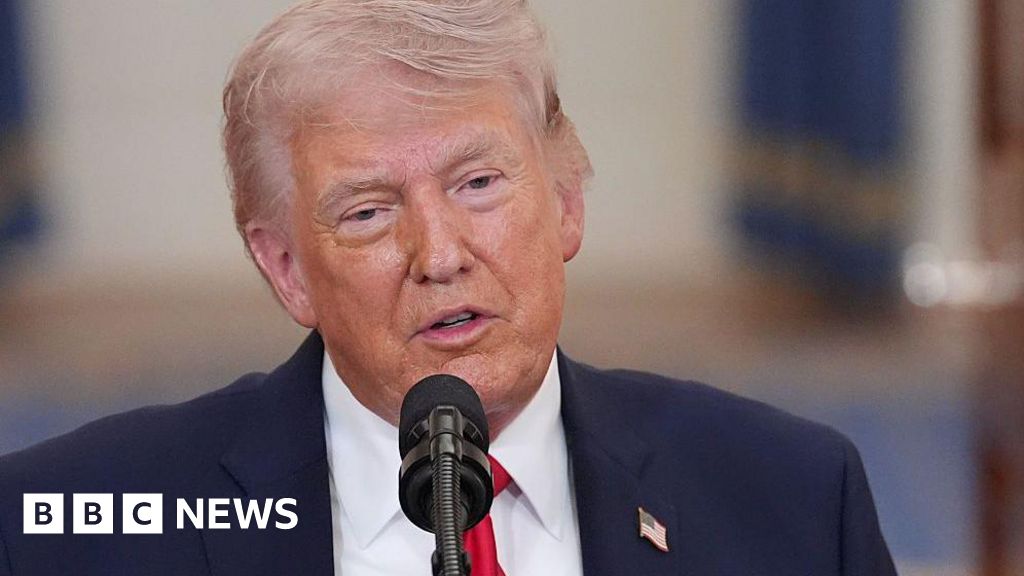

Donald Trump’s confrontational approach to Iran, marked by a lack of strategic clarity and miscalculated escalations, has precipitated significant disruptions to the geopolitical and economic stability of the Middle East and North Africa (MENA) region. By alienating key Gulf allies and failing to address underlying economic grievances, his policies have exacerbated regional fragmentation, undermining the delicate balance of regional powers and risking prolonged proxy conflicts. This instability has direct implications for sovereign capital flows, as faltering investor confidence in MENA’s macroeconomic resilience triggers capital flight and sharpens the region’s reliance on volatile external borrowing—particularly amid strained U.S.-Iran relations, which limit access to critical energy and security partnerships.
The fallout from Trump’s Iran policy reverberates through MENA’s venture capital ecosystem, where uncertainty deters cross-border investments. Startups reliant on regional supply chains or dual-listing opportunities are particularly vulnerable, as shifting sanctions and diplomatic tensions disrupt business continuity planning. Moreover, economies like Lebanon and Yemen, already grappling with sovereign debt crises, face heightened default risks as political instability erodes institutional credibility. This environment stifles innovation, particularly in fintech and renewable energy sectors, where long-term capital commitments are essential but dwindling due to perceived geopolitical risks.
Infrastructure development—a cornerstone of U.S. and Gulf regional strategy—has also suffered. Projects tied to energy diversification, such as Israel-Gaza electricity interconnections or Oman-Yemeni port revitalization, have stalled amid heightened hostilities. The ripple effects extend to sovereign wealth funds like Saudi Arabia’s PIF and UAE’s Mubadala, which may reallocate capital toward domestic priorities amid reduced regional integration prospects. Without a recalibration of diplomatic frameworks, the MENA region risks entrenched fragmentation, stifling its potential to emerge as a unified hub for technology-driven economic growth and infrastructure-led transformation.