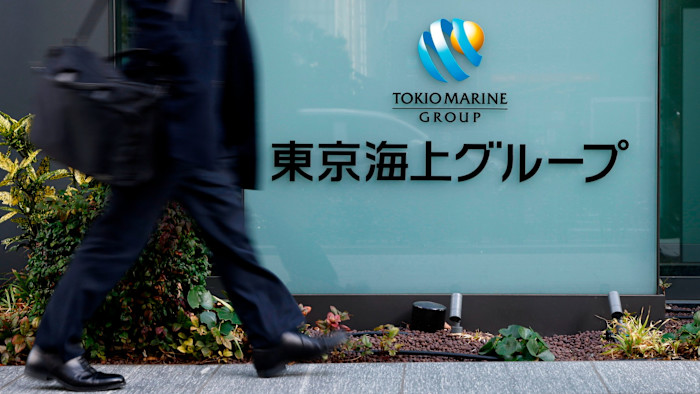

Berkshire Hathaway’s strategicinvestment of $1.8 billion in Japanese non-life insurer Tokio Marine signifies a pivotal expansion of its international capital deployment strategy, directly impacting global reinsurance markets and sovereign capital dynamics. The acquisition of a 2.5% stake, alongside a binding commitment to reinsure a percentage of Tokio Marine’s business, establishes a collaborative framework for global investment and M&A pursuits. This partnership leverages Berkshire’s massive cash reserves—reportedly nearing $400 billion—and Tokio Marine’s robust regional footprint to pursue cross-border opportunities, potentially setting a precedent for institutional capital allocation in Asia and beyond. The deal, structured through Berkshire’s National Indemnity Company, reinforces the conglomerate’s historical pattern of investing in Japanese entities, particularly trading houses, which have benefited from geopolitical tensions and capital allocation expertise.
The strategic realignment under new CEO Greg Abel marks a deliberate transition from Warren Buffett’s legacy model, focusing Berkshire’s immense liquidity on high-impact international ventures. This investment underscores a broader trend of sovereign and institutional capital seeking diversification beyond domestic markets, with implications for regional infrastructure development. Berkshire’s commitment to collaborate on global deals while excluding competing strategic agreements with other Japanese insurers for five years reduces market fragmentation, enhancing the stability and predictability of capital flows in the non-life insurance sector. The deal’s structure—featuring a 9.9% ownership cap to prevent control dilution—demonstrates a nuanced approach to balancing influence with regulatory compliance, a consideration increasingly relevant for sovereign wealth funds and institutional investors navigating complex global markets.
From a Middle East and North Africa (MENA) perspective, this transaction highlights the strategic importance of sovereign capital deployment and institutional partnerships in driving infrastructure development and economic diversification. Berkshire’s model of deploying vast, patient capital through strategic equity stakes and reinsurance agreements could inspire analogous approaches by regional sovereign wealth funds and development institutions. The collaborative framework for global investment may foster cross-regional synergies, particularly in critical sectors such as renewable energy, logistics, and digital infrastructure, which are central to MENA’s long-term economic plans. While the direct impact remains focused on Japan, the deal exemplifies how sovereign capital—whether from multinational conglomerates or regional funds—can mobilize resources to unlock large-scale infrastructure and industrial opportunities on a global scale.