
The escalating tensions in the Middle East, triggered by President Trump’s ultimatum regarding the Strait of Hormuz, represent a significant and destabilizing risk to regional economic stability and global energy markets. The immediate business impact is profound, with the near-closure of the waterway – responsible for approximately 20% of global oil shipments – already disrupting supply chains and driving up crude prices. Sovereign capital flows are likely to shift dramatically, with increased investment in defensive infrastructure and security measures across the Gulf states, diverting resources from long-term development projects. Furthermore, the potential for wider conflict necessitates a reassessment of risk profiles for regional ventures, impacting both established multinational corporations and burgeoning venture capital investments.
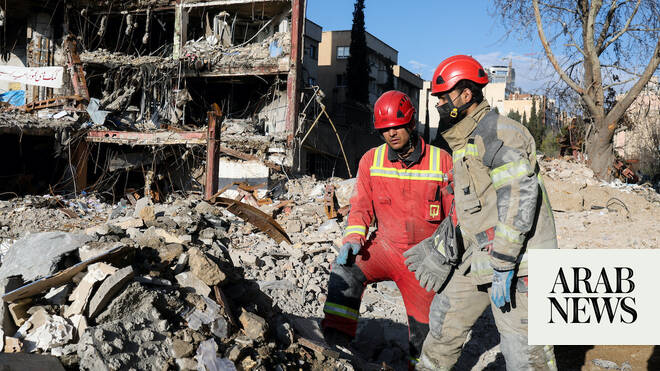
The geopolitical ramifications extend beyond immediate economic concerns. Iran’s stated intent to target critical infrastructure – including energy, IT, and desalination facilities – poses a direct threat to regional technological advancement and water security, both vital sectors for sustained growth. Venture capital firms are likely to curtail investments in these areas, particularly those reliant on Iranian expertise or supply chains. Simultaneously, the heightened security posture is fueling a surge in demand for cybersecurity solutions and physical protection services, creating opportunities for specialized technology providers. Sovereign wealth funds, traditionally focused on diversified investments, are increasingly prioritizing resilience and strategic assets, potentially leading to acquisitions of critical infrastructure and resource-rich holdings.
Crucially, the conflict’s impact on regional infrastructure is multifaceted. Beyond the immediate threat to energy and water systems, the ongoing military operations are straining transportation networks and disrupting logistics. The potential for escalation necessitates significant upgrades to border security and surveillance capabilities, requiring substantial public and private investment. Moreover, the disruption to maritime trade is accelerating the adoption of alternative shipping routes and logistics solutions, potentially driving innovation in port infrastructure and supply chain management. The UAE’s willingness to contribute to safe passage through the Strait underscores a broader effort to mitigate the economic fallout, but the long-term consequences for regional trade corridors remain uncertain.
Looking ahead, the situation demands a nuanced understanding of the interplay between geopolitical risk, sovereign capital allocation, and technological innovation. The US deployment of additional military assets, coupled with the UK’s leveraging of Diego Garcia for potential strikes, signals a commitment to maintaining stability, albeit through potentially escalatory measures. However, the underlying drivers of the conflict – including regional power dynamics and the Iranian nuclear program – remain unresolved. Ultimately, the long-term economic trajectory of the Middle East will hinge on the ability of regional actors to de-escalate tensions and pursue sustainable economic diversification strategies, while simultaneously navigating the complex landscape of international sanctions and geopolitical pressures.