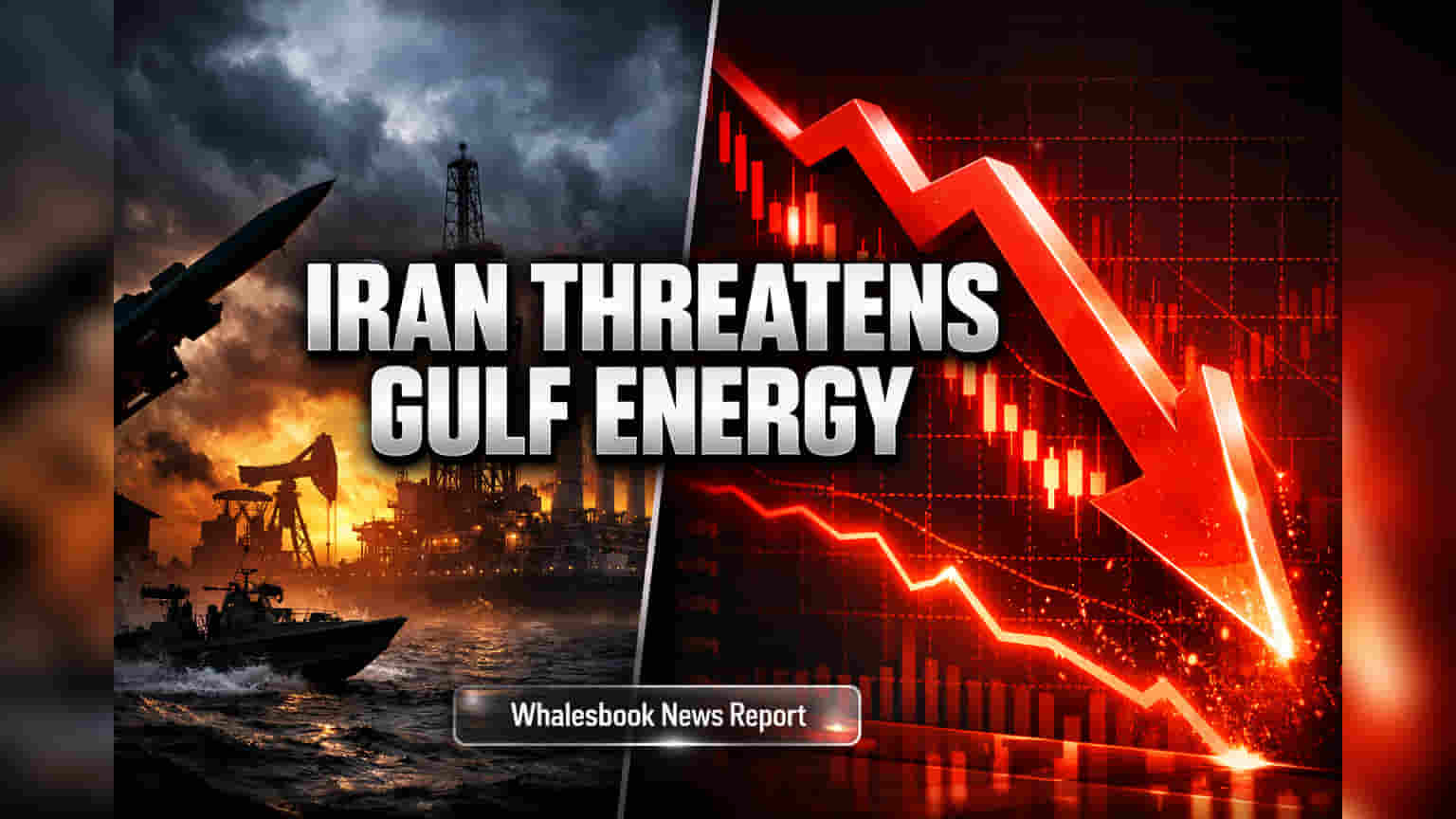

The acute market downturn across UAE bourses following heightened geopolitical friction underscores a critical stress test for regional sovereign wealth portfolios and foreign investor appetite. The immediate sell-off in bellwether real estate and banking entities—Emaar Properties and Emirates NBD—reflects a broad-based repricing of risk affecting sectors central to the UAE’s economic diversification narrative. For sovereign investment arms such as Abu Dhabi Investment Authority and Mubadala, the volatility highlights the tension between maintaining domestic market stability and pursuing long-term global asset allocation strategies, particularly as valuations in key local holdings temporarily decouple from fundamental metrics. Concurrently, the tangible disruption to energy logistics via the Strait of Hormuz incident serves as a stark reminder of the operational vulnerabilities inherent in the region’s energy export infrastructure, a domain heavily financed and managed by sovereign-linked entities like ADNOC and TAQA.
Despite the across-the-board decline, the divergent analyst consensus reveals a market bifurcating along lines of operational resilience and sovereign backing. Entities with robust domestic demand anchors and evident state support, such as ADNOC Gas, are viewed through a lens of secular growth潜力, with revenue projections outpacing sector averages and justifying premium valuation. Conversely, infrastructure monopolies like TAQA face a more precarious calculus; its elevated P/E ratio now incorporates a geopolitical risk premium that directly threatens regulated return profiles and dividend sustainability. This schism is pivotal for venture capital and private equity investors assessing MENA infrastructure plays: investments in assets with explicit sovereign patronage or non-discretionary utility demand appear more insulated, while those tied to physical export corridors demand rigorous scenario-based stress testing in due diligence.
The episode accelerates a pre-existing institutional shift toward de-risking supply chains and fortifying regional infrastructure redundancy—a mandate that will channel significant sovereign and quasi-sovereign capital. Ventures in digital logistics, alternative energy transmission, and strategic desalination are likely to receive accelerated backing from entities like the UAE’s Ministry of Investment and Saudi Arabia’s PIF, aiming to insulate critical assets from single-point geopolitical failures. For VC networks, this translates to a heightened focus on enterprise software and hardware solutions that enhance physical infrastructure monitoring and resilience, creating a new frontier for funding that aligns with national security objectives. The capital allocation debate is thus no longer purely commercial but intrinsically linked to statecraft and regional stability planning.
Looking ahead, the market’s fleeting reaction belies a more profound recalibration of risk models across Gulf capital markets. While short-term volatility may subside, the incident permanently embeds a higher cost of capital for assets exposed to maritime chokepoints. Sovereign wealth funds will likely intensify their diversification into non-cyclical, tech-enabled infrastructure assets both domestically and abroad, while scrutinizing the ESG-linked resilience of their portfolios. For the broader MENA tech ecosystem, the imperative is clear: solutions that offer operational continuity for energy, water, and logistics sectors will command a premium from both strategic investors and venture capitalists. The ultimate business impact extends beyond stock indices, reshaping a generation of investment thesis in the region.