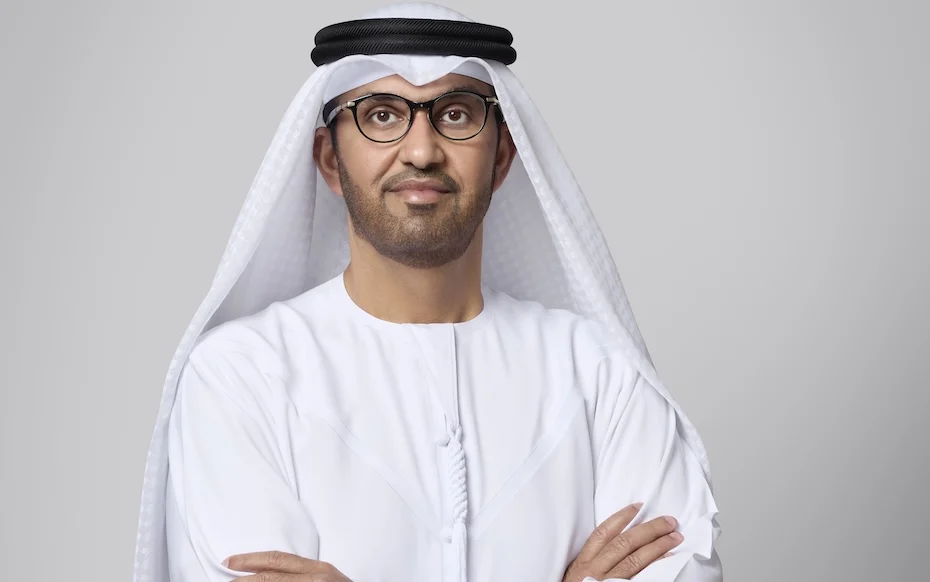

TheStrait of Hormuz remains the linchpin of global energy commerce, conduits roughly 20 million barrels of oil per day and a third of worldwide fertiliser traffic, yet its narrow 21‑mile width renders it vulnerable to coercive tactics that Dr Sultan Al Jaber characterises as economic terrorism. Recent escalations have already lifted benchmark crude prices by roughly 50 percent in three weeks, transmitting cost pressures through manufacturing supply chains, agricultural inputs and household budgets worldwide. For the hydrocarbon‑dependent economies of the MENA corridor, any sustained disruption threatens fiscal buffers, currency stability and the funding capacity of sovereign wealth funds that rely on steady export revenues.
In response, the UAE has leveraged its integrated energy ecosystem to fortify both domestic resilience and overseas asset diversification. ADNOC, alongside Masdar and XRG, has committed more than $85 billion to US‑based power generation, chemicals and emerging LNG/storage infrastructure across 19 states, while simultaneously expanding embedded AI and digital‑analytics capabilities across its operations to optimise production uptick and risk mitigation. These moves are underpinned by sovereign capital allocations that prioritize long‑term, counter‑cyclical holdings, and are complemented by a growing venture‑capital pipeline targeting energy‑transition technologies, cyber‑security for critical infrastructure and advanced logistics solutions designed to bypass choke‑point vulnerabilities.
The broader MENA outlook now hinges on coordinated security frameworks and infrastructure investment that can decouple regional prosperity from the fortunes of a single maritime passage. Sovereign wealth funds are increasingly earmarking capital for multimodal transport hubs, strategic petroleum reserves and regional LNG terminals that enhance supply redundancy, while venture‑capital funds are channeling early‑stage capital into defence‑tech, autonomous shipping and AI‑driven trade‑flow analytics. Dr Al Jaber’s invitation to global energy leaders at ADIPEC in November underscores the imperative for a collective, action‑oriented agenda—one that merges sovereign stewardship, private‑innovation finance and hardened infrastructure to safeguard the Strait of Hormuz and, by extension, the economic stability of the entire MENA region.