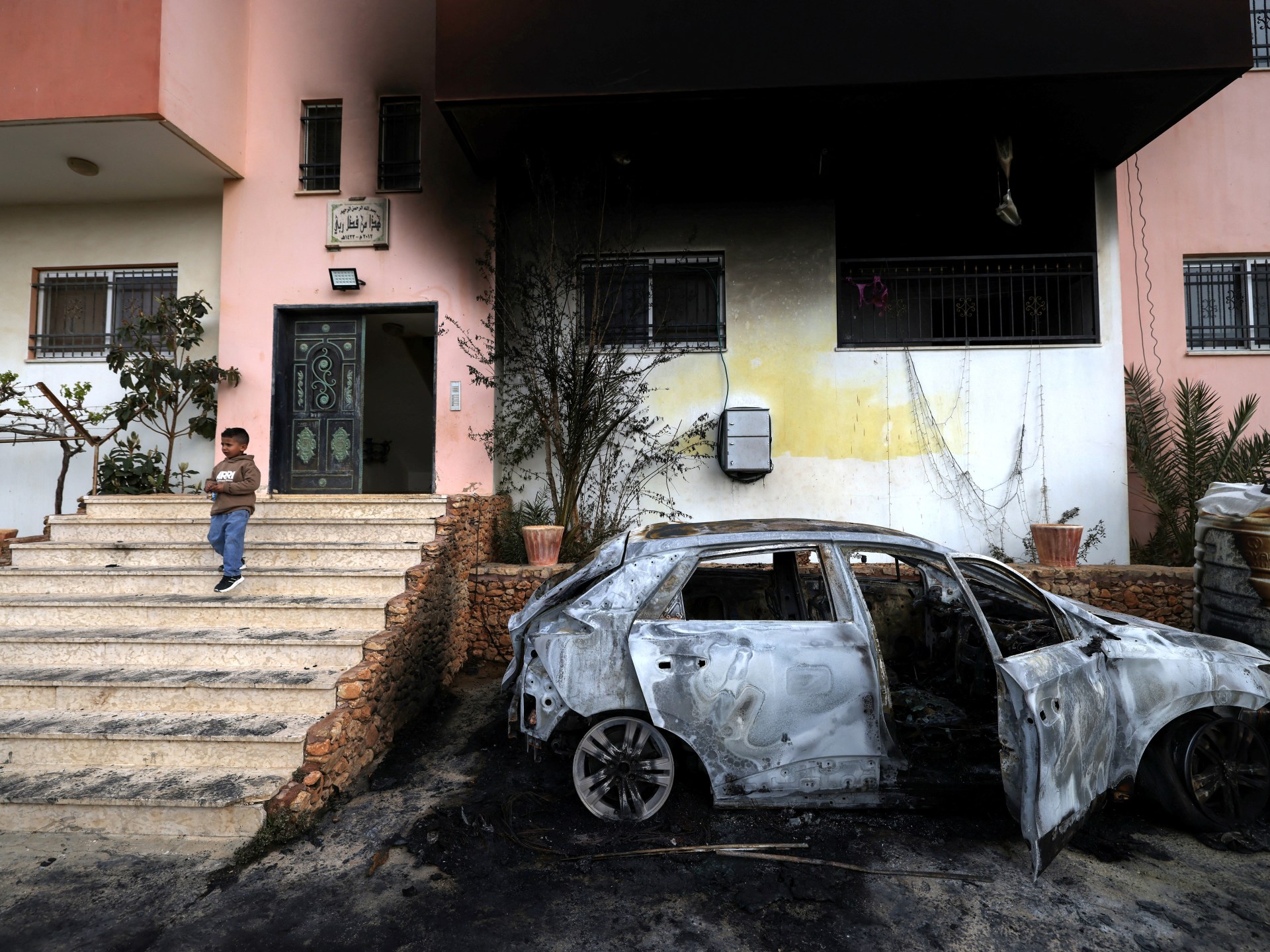
An Israeli ground incursion into southern Lebanon would trigger immediate and severe economic dislocation that reverberates across the MENA region’s sovereign balance sheets and private‑capital markets. The destruction of agricultural lands, displacement of tens of thousands of civilians, and the targeting of critical infrastructure—including power grids, water facilities, and transport corridors—would stunt Lebanon’s already fragile GDP, estimated to contract by an additional 5‑7 percentage points in the near term. Sovereign wealth funds in the Gulf, which have historically allocated modest exposure to Lebanese sovereign debt and real‑estate assets, would be forced to write down these positions, tightening liquidity for other regional investments.
Venture‑capital ecosystems in Beirut and the broader Levant, already strained by capital flight and regulatory uncertainty, would face a sudden contraction as incubators, co‑working spaces, and early‑stage start‑ups lose access to talent and physical assets. The disruption of cross‑border logistics—particularly the Mediterranean shipping lanes that link Levantine ports to GCC markets—would increase freight costs and delay supply chains for technology hardware, undermining the region’s ambition to become a hub for fintech, health‑tech, and renewable‑energy innovation. International limited partners, wary of geopolitical risk, would likely pause new fund commitments to MENA‑focused VCs until a credible security framework is re‑established.
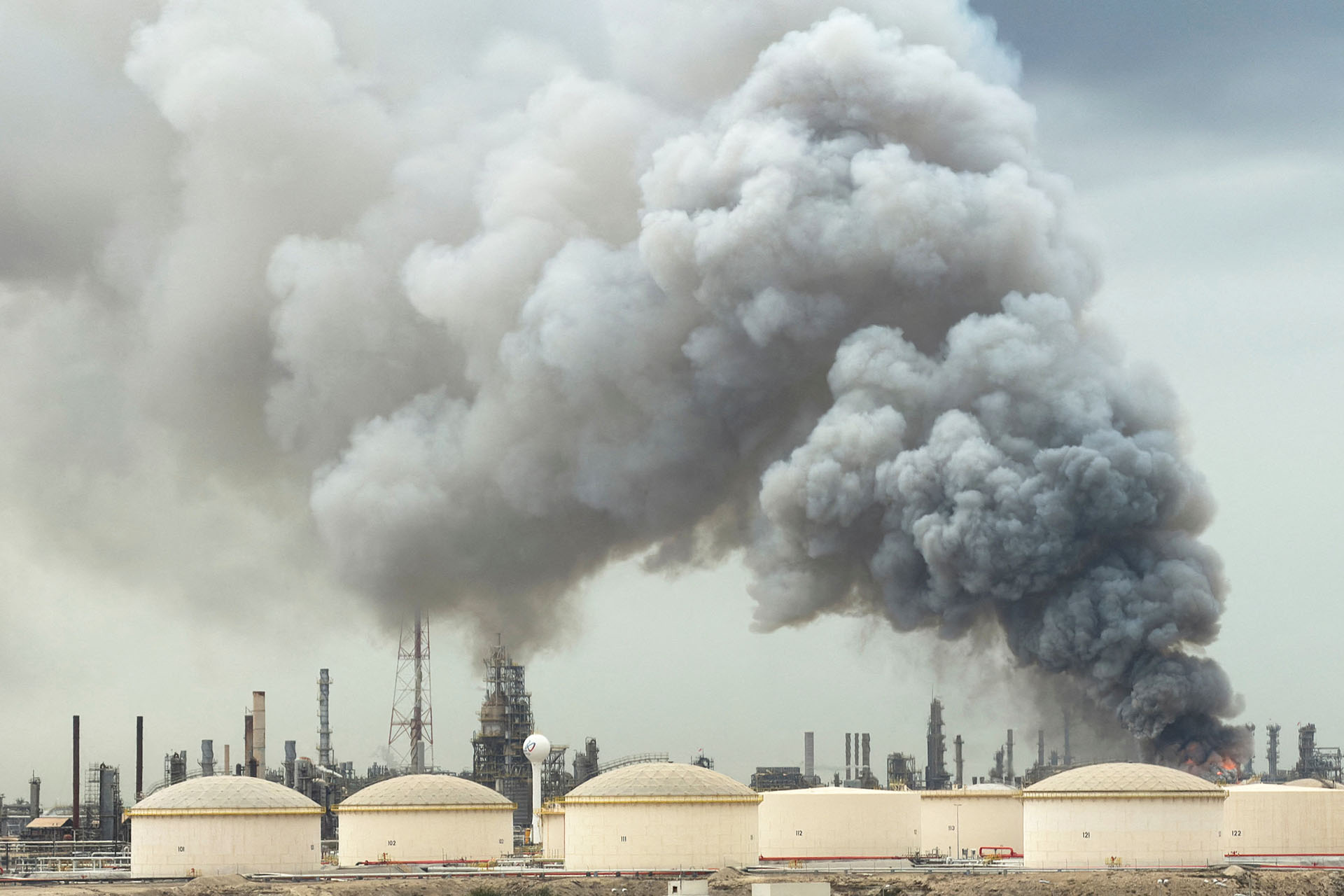
From a regional‑infrastructure perspective, the incursion would exacerbate existing bottlenecks in the Levantine energy corridor, threatening the viability of planned interconnections between Lebanese offshore gas fields and Israeli and Cypriot export terminals. Any prolonged Israeli security buffer in southern Lebanon would impede the development of cross‑border renewable projects—such as solar farms and wind parks—intended to diversify the Gulf’s energy mix and reduce reliance on hydrocarbon exports. Consequently, sovereign investors earmarking capital for green‑infrastructure pipelines would need to reassess risk premiums, potentially redirecting funds toward more stable North African markets or European renewable assets.
The broader implication is a renewed impetus for GCC states and other MENA sovereign actors to leverage diplomatic and financial tools to prevent escalation, recognizing that the cost of conflict far outweighs any short‑term strategic gain. Coordinated sovereign‑wealth‑fund interventions, combined with targeted venture‑capital guarantees and multilateral infrastructure financing, could provide the stabilising mechanism necessary to preserve investor confidence, protect critical assets, and sustain the region’s long‑term economic transformation agenda. Without such pre‑emptive measures, the fallout risks entrenching a cycle of deprivation that undermines both humanitarian conditions and the economic prospects of the entire MENA bloc.