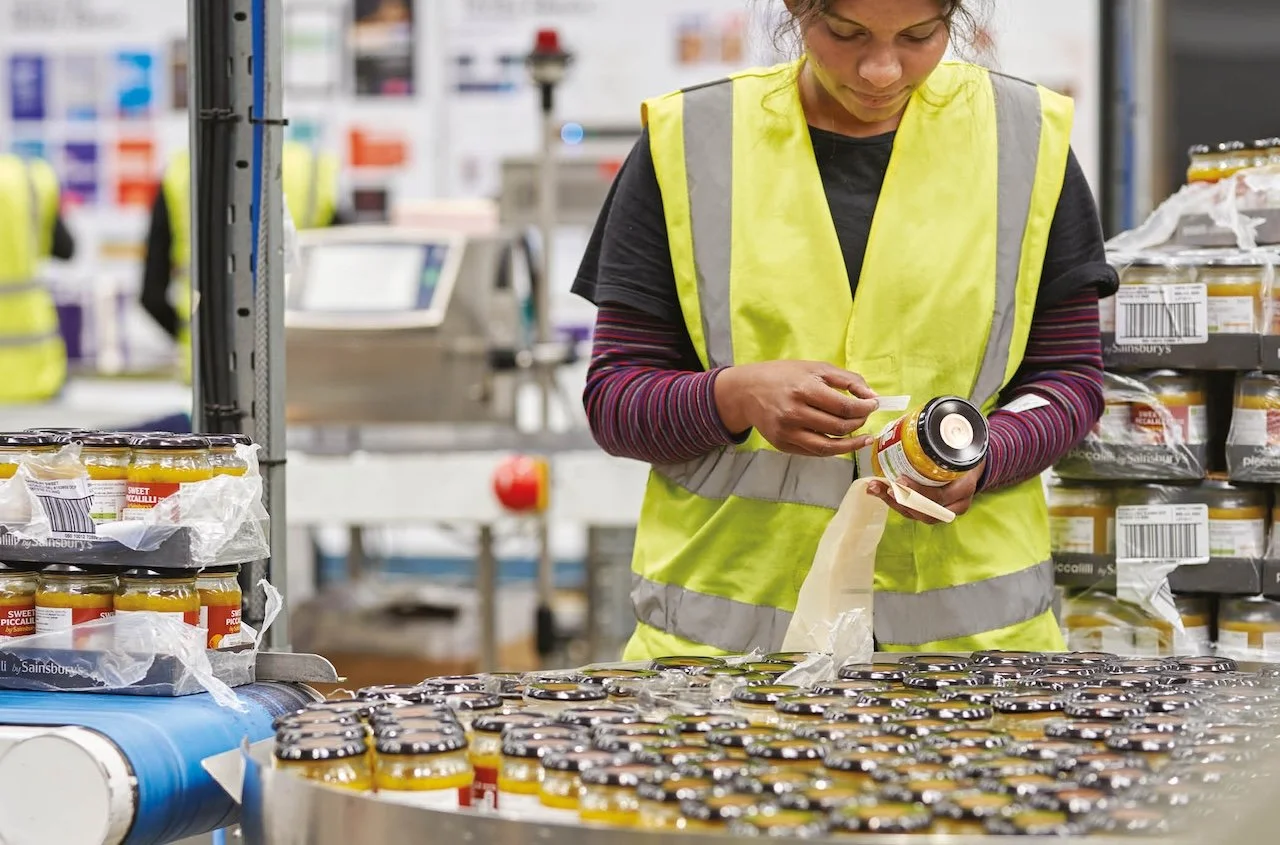

The £1.9 million BridgeAI pilot that merged Nestlé UK’s supply‑chain data with Zest’s AI‑driven “factory intelligence layer” demonstrates a measurable pathway to eliminate food‑waste while converting raw data into real‑time operational decisions. For the MENA region, where arable land is scarce and food‑import bills exceed $150 billion annually, replicating such an AI‑enabled traceability and redistribution framework could shave 5‑10 percent off post‑harvest losses, directly bolstering sovereign efforts to achieve food‑security targets embedded in Saudi Vision 2030, the UAE’s National Food Security Strategy 2051, and Egypt’s 2030 Sustainable Development Plan.
From a capital‑allocation perspective, the project’s de‑risking model—combining corporate pilots, charitable oversight, and venture‑backed technology—mirrors the increasingly preferred structure for sovereign wealth funds and regional venture platforms seeking exposure to climate‑tech agritech. Funds such as Mubadala’s $4 billion ADQ‑AgriTech pipeline, the Public Investment Fund’s $2 billion Future Food initiative, and Dubai Future Foundation’s $500 million Agri‑Tech fund are already earmarking capital for AI‑integrated supply‑chain solutions that can be scaled across GCC logistics corridors and North African agro‑industrial zones.
Infrastructure-wise, scaling this AI factory intelligence layer necessitates robust edge‑computing nodes, IoT sensor networks, and interoperable data standards—areas where MENA’s ongoing investments in 5G rollout, hyperscale data‑center campuses (e.g., NEOM’s Oxagon, Saudi’s KAUST‑based AI hub, and Qatar’s Lusail‑Smart‑City) provide a ready foundation. Public‑private partnerships modeled on the BridgeAI consortium can accelerate the deployment of these technologies at ports, cold‑storage facilities, and last‑mile distribution nodes, turning waste reduction from a corporate CSR exercise into a strategic, margin‑enhancing imperative for the region’s food‑value chain.