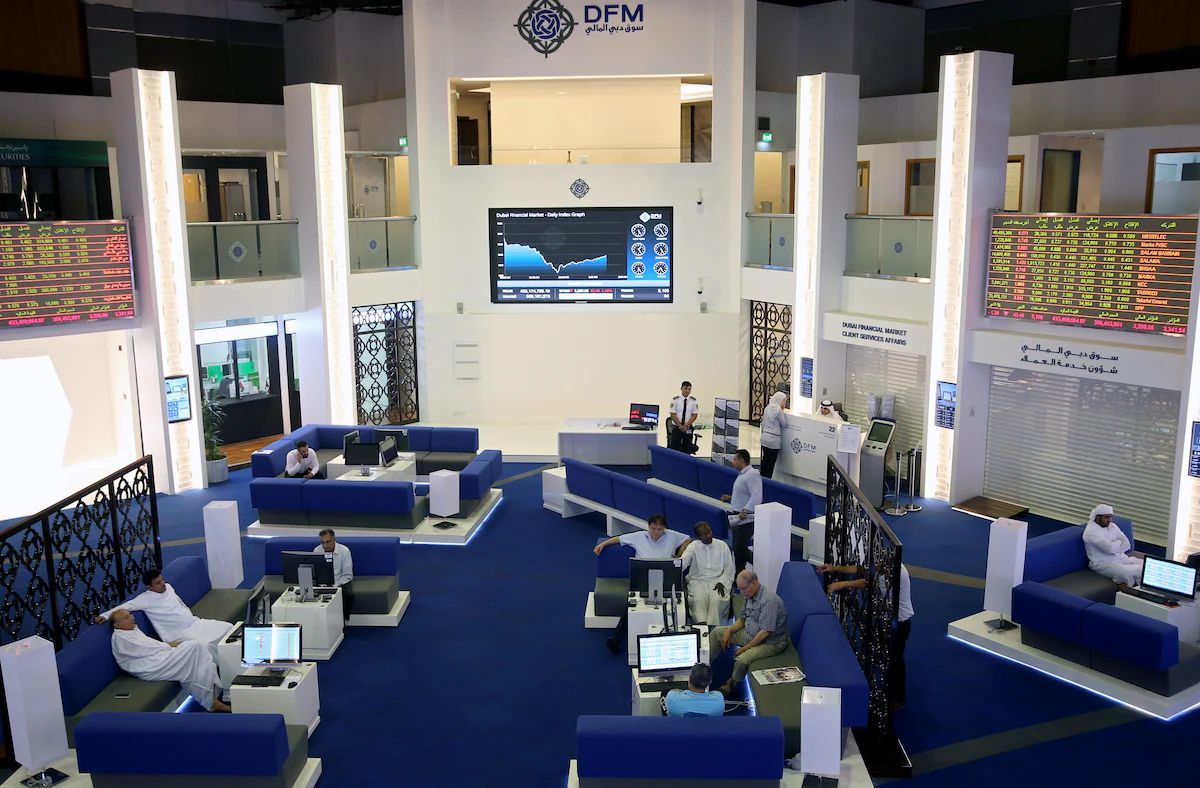

The precipitous decline in UAE equity indices, triggered by Iran’s explicit warning of retaliation against Gulf energy and water infrastructure, underscores a critical recalibration of geopolitical risk pricing by regional capital markets. This is not merely a temporary sell-off but a direct repricing of sovereign risk for the GCC’s most diversified economies, where the sanctity of physical assets underpins fiscal stability and non-oil GDP growth trajectories. Market reactions of this nature validate the persistent “security premium” embedded in regional asset valuations, highlighting the acute vulnerability of desalination plants, oil export terminals, and port facilities that form the backbone of the UAE’s economic model. Institutional investors are swiftly factoring in the potential for operational disruption and insurance cost inflation, which directly impairs the free cash flow projections of listed utilities and industrial conglomerates.
For the region’s colossal sovereign wealth funds—entities like the Abu Dhabi Investment Authority (ADIA) and Mubadala Investment Company—the incident crystallizes a strategic duality. While their long-horizon mandates demand continued diversification into global technology and alternative assets, the immediate imperative is the defense and hardening of domestic infrastructure, a non-negotiable prerequisite for maintaining the stable environment required for Vision 2030 and Project 2031 to succeed. Capital allocation decisions will increasingly bifurcate: one tranche directed toward hardening domestic maritime, energy, and water grids through partnerships with global engineering and cybersecurity champions, and another maintaining exposure to Western tech and healthcare portfolios as a hedge against regional instability. This tension between defensive domestic Capex and global portfolio diversification defines the next phase of SWF strategy.
The venture capital and private equity ecosystem across the MENA region, which has seen record fundraising on the back of digital transformation narratives, faces a collateral impact. A sustained escalation threatens to reorient limited partner (LP) mandates, with global fund managers potentially demanding higher risk premiums for MENA-focused funds or shifting focus to later-stage, revenue-generating tech firms with less physical footprint dependence. Conversely, this environment may catalyze urgent, state-backed co-investment vehicles specifically targeting “resilience tech”—encompassing grid cybersecurity, satellite-based monitoring, decentralized desalination, and supply chain logistics platforms. The imperative to build sovereign technological capabilities in critical infrastructure protection could redirect a portion of the region’s burgeoning VC capital toward these nascent, high-barrier-to-entry sectors.
Ultimately, this episode serves as a stark reminder that the region’s economic transformation is inextricably linked to its security architecture. The billions deployed in futuristic economic zones and smart cities assume a baseline of physical security that cannot be taken for granted. Consequently, we anticipate an accelerated public-private partnership framework where entities such as TAQA, DEWA, and ADNOC will spearhead massive infrastructure hardening programs, funded through a mix of sovereign allocations and strategic bond issuances. The long-term business implication is clear: future investment theses for the GCC must now quantitatively incorporate geopolitical stress scenarios, with infrastructure resilience itself becoming a basket of investable assets and a primary determinant of national creditworthiness and sovereign investment grade.