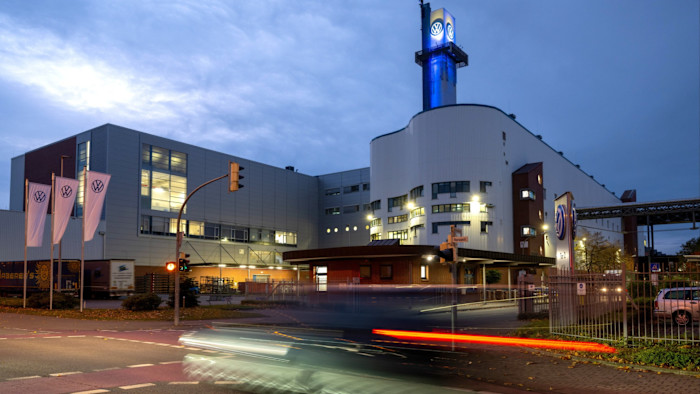

Volkswagen is pursuing a strategic realignment, leveraging its advanced manufacturing capabilities to address evolving geopolitical landscapes and bolster European defense infrastructure. Negotiations are underway with Israel’s Rafael Advanced Defense Systems to transition production at the embattled Osnabrück plant into the manufacturing of components for the Iron Dome air defense system. This agreement, detailed by industry insiders, represents a significant shift for the German automotive giant, potentially mitigating job losses and capitalizing on the burgeoning European defense market.
The rationale behind this pivot is multifaceted. Primarily, it offers a pathway to safeguard approximately 2,300 jobs currently facing redundancy at the Osnabrück facility, a consequence of sustained pressure from rising competition in the electric vehicle sector and broader cost-cutting imperatives. Furthermore, the collaboration with Rafael aligns with the European Union’s ambitious defense spending plans, projected to exceed €500 billion by the end of the decade. This strategic move provides VW with a crucial opportunity to contribute to regional security and diversify its operational portfolio. Rafael is also establishing a separate German facility for missile production, strategically chosen for Germany’s strong historical ties to Israel and its supportive stance on defense matters. This underscores the growing European appetite for domestically produced defense technologies.
The business impact extends beyond immediate job preservation. The shift to defense component manufacturing presents a substantial surge in demand for advanced industrial capabilities within Germany. This will likely stimulate investment in infrastructure and technology, fostering innovation across the manufacturing sector. While minimal new capital investment is anticipated for the Osnabrück plant, the successful implementation of this partnership will be critical to securing long-term growth in a sector experiencing robust expansion. The Iron Dome system, lauded for its effectiveness in intercepting a significant percentage of missile threats, is increasingly seen as a vital component of European air defense strategies. This collaboration positions VW at the forefront of this critical infrastructure development, potentially unlocking significant future revenue streams.
The implications for the broader MENA region are considerable. The European focus on bolstering its own defense capabilities is intricately linked to regional security dynamics, particularly in the face of heightened geopolitical instability. The successful integration of German manufacturing into European defense supply chains, facilitated by partnerships like this, will contribute to a more resilient and self-sufficient European security posture. This, in turn, could influence defense procurement strategies within the MENA region, potentially fostering greater regional cooperation in defense technology and infrastructure development. The move also highlights the growing importance of strategic alliances between European industrial powers and defense technology providers, a trend with potential ramifications for the regional arms market and security landscape.