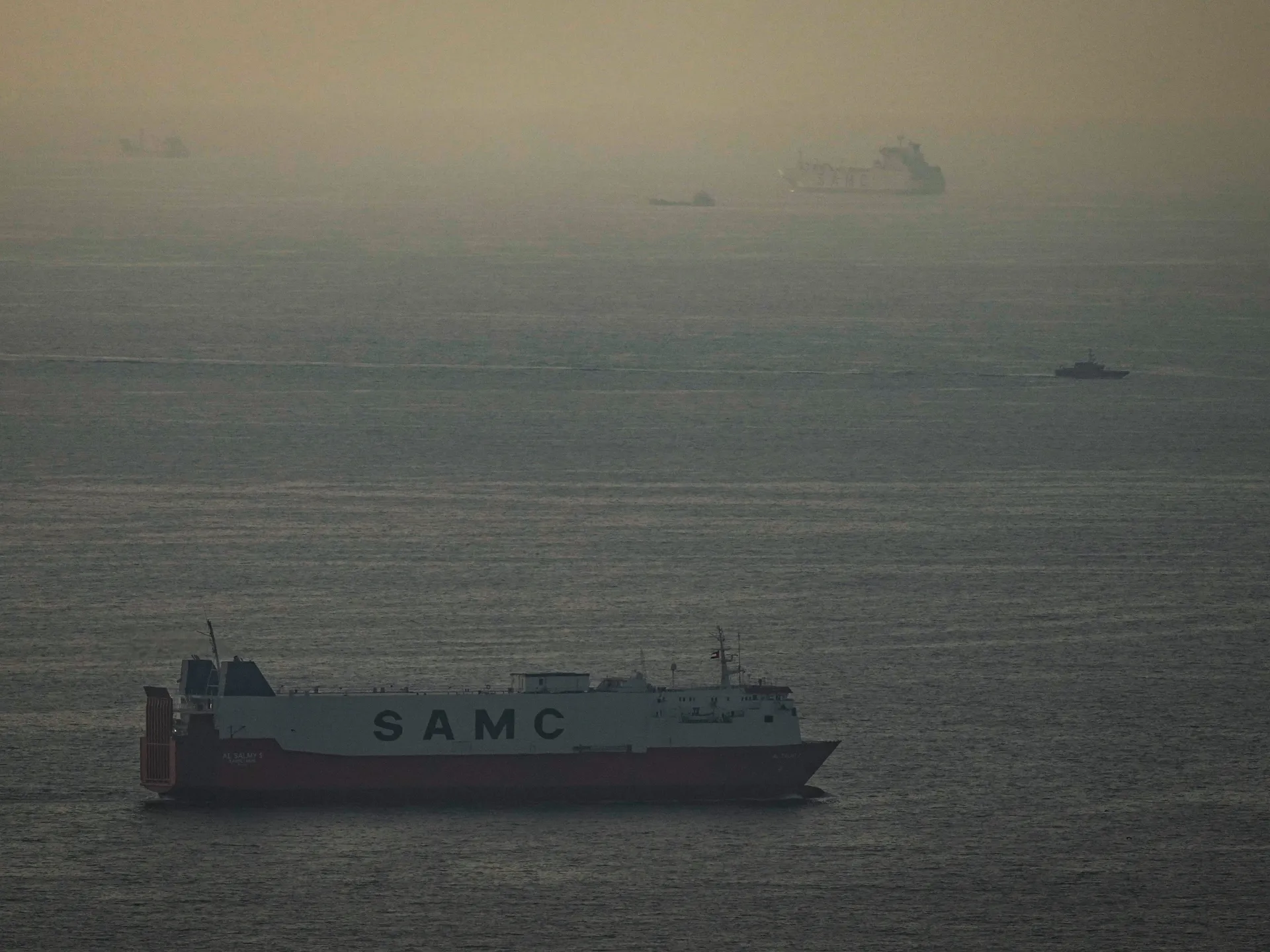

The Strait of Hormuz emerges as a critical fulcrum where global trade interlocks with regional security imperatives. Immediate disruptions to transit impose cascading pressures on energy markets and logistics networks, exacerbating supply chain volatilities. Sovereign authority assertions clash with commercial pragmatism, while investor sentiment oscillates amid uncertainty over gear viability. Such dynamics necessitate rapid recalibration of capital allocation strategies to mitigate cascading economic fissures.
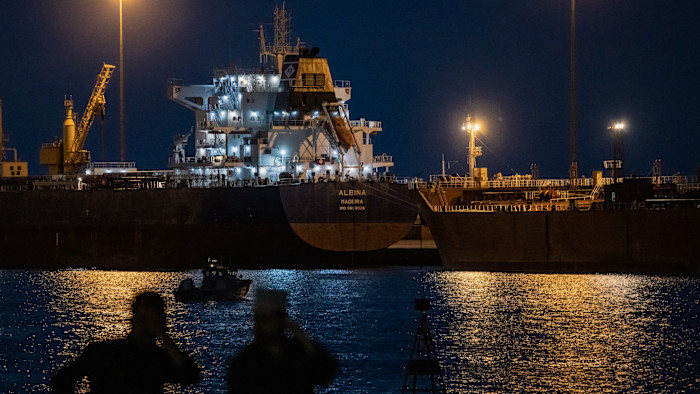
Financial and strategic capital flows are refracted through heightened scrutiny over sovereign resilience mechanisms and alternative funding conduits. Venture capital engagement intensifies, responding to geopolitical recalibrations and state-backed safeguards, often prioritizing exports safeguarded assets or non-disruptive sectors. Concurrently, regional infrastructure bears disproportionate strain, with ports and regional logistics networks facing already stressed capacities compounded by the strait’s transient volatility.
Regional infrastructure underscores the broader systemic destabilization, compelling recalibration of transnational supply chains toward more resilient, though costly pathways. Collaborative initiatives are imperative to counteract bottlenecks and ensure continuity amid escalating geopolitical tensions, balancing immediate relief against long-term adaptive capacities.