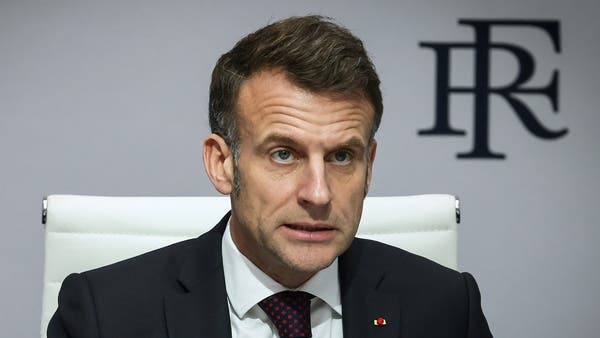

The recent pronouncements by President Emmanuel Macron underscore a pivotal evolution in Middle Eastern strategic calculations, as regional powers recalibrate their approaches amid intensifying security fluxes. Beyond the symbolic diplomatic overtures to Iranian leadership, Macron’s emphasis on the urgent need to curtail destabilizing military engagements reverberates across economic and investment landscapes. Crucially, this shift has crystallized a renewed push for sovereign capital flows, with Gulf investors reassessing exposure to high-risk sovereign assets and recalibrating risk appetites in line with evolving international norms. The message resonates across markets, catalyzing both cautious optimism and heightened caution in sovereign debt structuring.
From a financing perspective, the transitory instability engendered by regional tensions has precipitated a notable recalibration within the sovereign capital markets. International development institutions and bilateral forums alike are revisiting their engagement models, seeking to mitigate exposure to volatile risk factors that could undermine long-term fiscal stability. Within MENA, the article highlights a burgeoning need for private sector engagement, particularly in infrastructure and technology, where dollar-sensitive investment flows are being fundamentally reshaped by unprecedented currency volatility and sanctions pressures. In this context, sovereign wealth funds are increasingly recalibrating their risk architecture to account for both geopolitical volatility and structural economic dependencies.
Furthermore, the strategic realignment catalyzed by such geopolitical episodes is forcing a hardening of regional infrastructure agendas. As sovereign capital seeks safer havens amid shifting alliances, there is a palpable surge in capital targeting transparent, resilient infrastructure projects backed by reliable financing mechanisms. This amplitude in investment emphasis reflects a broader movement toward regional self-sufficiency and the mitigation of external dependency. Institutional stakeholders are now compelled to embed greater emphasis on public-private partnerships and blended finance structures, ensuring that the very foundations of economic resilience can withstand the turbulence of the current climate. Such developments underscore the imperative for policymakers and investors alike to understand how the interplay of geopolitical recalibration, capital mobility, and technological advancement will fundamentally redefine the economic paradigm across the MENA region.