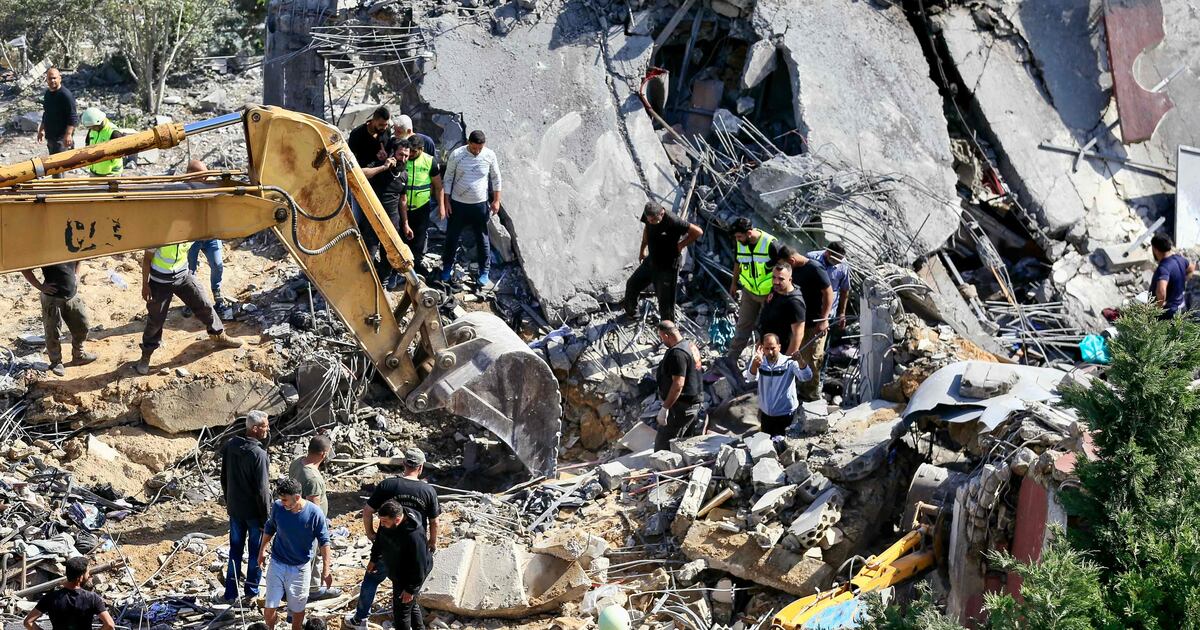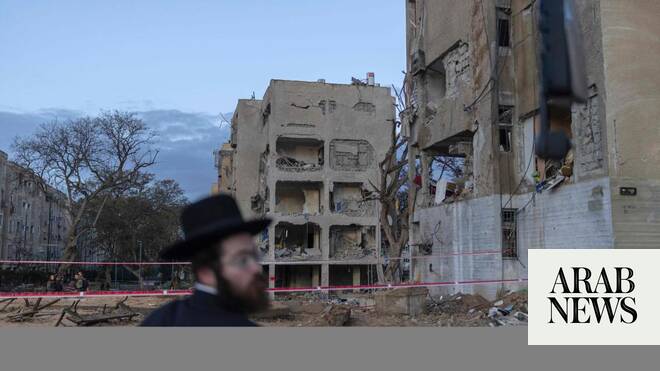

The technical failure of Israel’s David’s Sling missile defense system during Iran’s recent ballistic missile strike has raised critical questions about the reliability of the Middle East’s layered air defense architecture. According to military sources, the malfunction allowed two Iranian missiles to strike Israeli towns Dimona and Arad, resulting in dozens of injuries and damage to civilian infrastructure. Dimona’s significance as the suspected site of Israel’s undeclared nuclear program adds a strategic dimension to the attack, highlighting vulnerabilities in critical infrastructure defense even with advanced missile shield systems in place.
From a defense technology standpoint, the incident represents a significant setback for Israeli defense contractors, particularly Rafael Advanced Defense Systems, which invested heavily in upgrading the David’s Sling system to counter evolving regional threats. Military officials confirmed that the system was deployed following a recent “future threat readiness upgrade,” specifically chosen to conserve Arrow interceptor stockpiles during what has become an extended proxy conflict. The failure undermines not only Raytheon and Rafael’s joint positioning in export markets but also brings into question Israel’s sovereign procurement strategy for theater missile defense systems in its transition from conventional warfare to high-intensity missile exchanges.
Financial analysts are already evaluating the broader implications for regional defense economics, with institutional investors reassessing sovereign capital allocations for anti-missile infrastructure across the Gulf. The malfunction underscores persistent challenges in developing cost-effective defensive capabilities against long-range ballistic threats, as evidenced by the fact that Israel’s military maintains that approximately 92% of Iranian missiles have been intercepted to date. For venture capital firms tracking dual-use technology investments in the region, the incident signals both risks and opportunities: tactical risk in operational reliability, but strategic opportunity in the escalating demand for next-generation defensive solutions. As the Iran conflict continues, defense strategists are likely to intensify their focus on redundancy, automated fail-safes, and AI-based threat assessment systems, shaping future infrastructure investments in what has become the most heavily militarized airspace corridor in the Eastern Mediterranean.