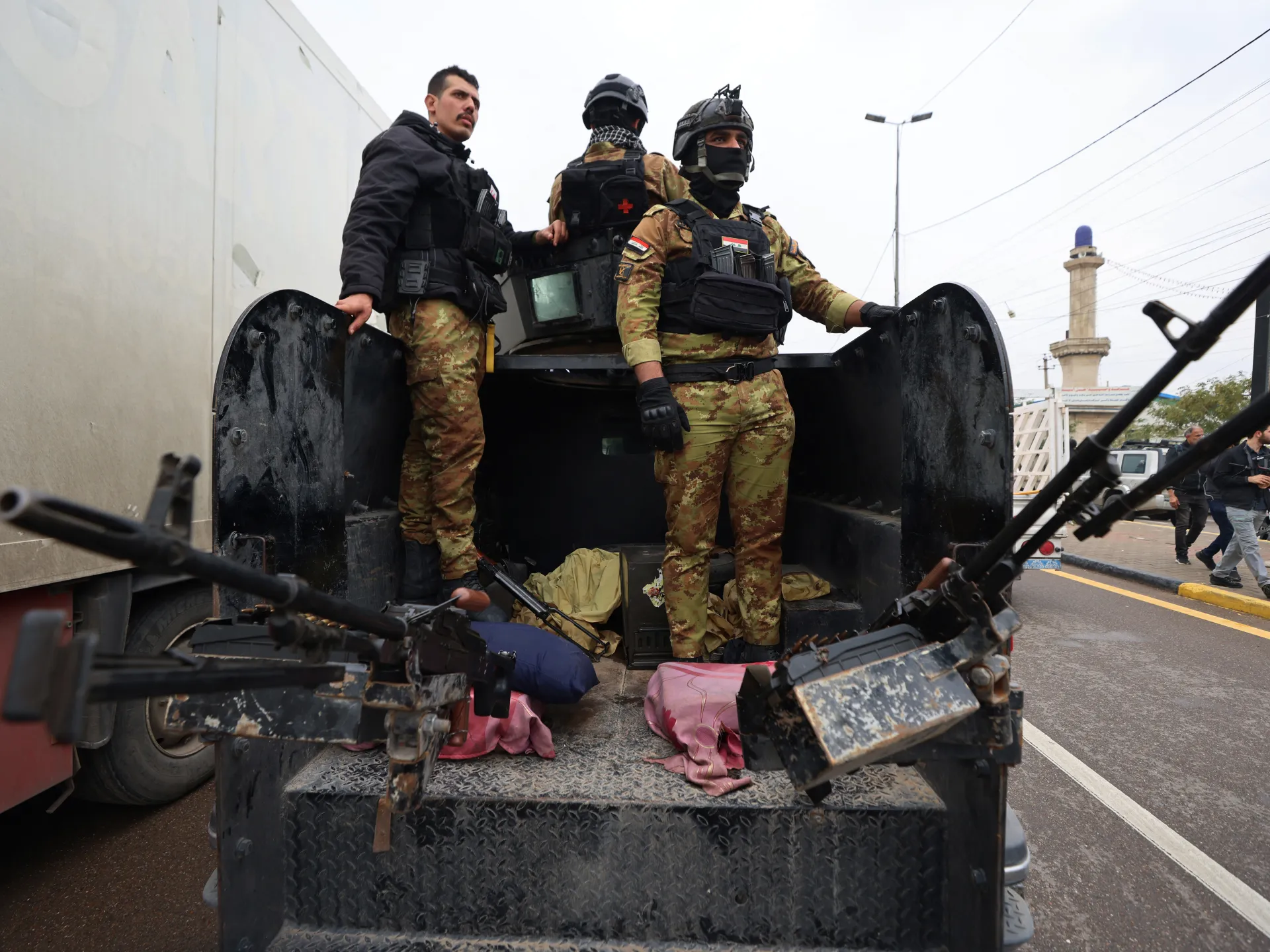

A recent aerial strike in Iraq’s Anbar province, targeting positions of the Popular Mobilization Forces (PMF), represents a significant escalation with potentially far-reaching implications for the Middle East. While the Iraqi Ministry of Defence condemned the attack as a violation of international law, the incident underscores the increasing risk of direct military engagements within Iraq as the US and Iran’s proxy forces intensify their conflict. The PMF, an umbrella group encompassing various Iraqi militias, including those with strong ties to Iran, plays a crucial role in the country’s security landscape and has been a key recipient of both US and Iranian influence. This latest targeting signals a shift in US strategy, moving beyond primarily focusing on Iran-aligned actors to directly engaging PMF elements, which could destabilize Iraq further and impact regional power dynamics.
The business impact of this escalating conflict is multifaceted, particularly concerning sovereign capital and infrastructure projects across the MENA region. Increased instability in Iraq, a key transit route for energy resources and regional trade, directly threatens ongoing and planned infrastructure investments. The potential for further attacks and security disruptions raises the cost of capital for these projects, discouraging both domestic and international investment. Moreover, the heightened geopolitical risk can impact confidence in regional financial markets, potentially leading to capital flight and hindering economic growth. Sovereign wealth funds in the region will need to reassess their risk exposure and potentially allocate capital more cautiously, prioritizing investments in more stable markets.
The venture capital ecosystem in the Middle East is also vulnerable to these developments. While the region has witnessed robust growth in tech startups, geopolitical uncertainty can deter foreign investment and impact the ability of these companies to scale. The disruption to supply chains, coupled with increased security concerns, can create challenges for businesses operating in the region and limit opportunities for growth. Furthermore, the potential for broader regional conflict could divert resources away from innovation and economic development towards security measures and defense spending. This situation necessitates a careful balancing act for VC firms, requiring them to navigate heightened risk while continuing to support promising ventures.
Regionally, the implications for infrastructure are profound. Iraq’s strategic location makes its stability paramount for energy security and connectivity. The ongoing conflict risks delaying or derailing vital infrastructure projects, including energy pipelines, transportation networks, and digital infrastructure, which are crucial for regional economic integration. The need for increased security measures and potential disruptions to trade routes will add significant costs and complexities to these developments. Furthermore, the broader instability could impact cross-border infrastructure initiatives, hindering efforts to foster greater economic cooperation within the MENA region. A sustained effort towards de-escalation and regional dialogue is essential to mitigate these risks and ensure the continued development of critical infrastructure.