
Iran’s DiplomaticManeuvers and the MENA Investment Calculus
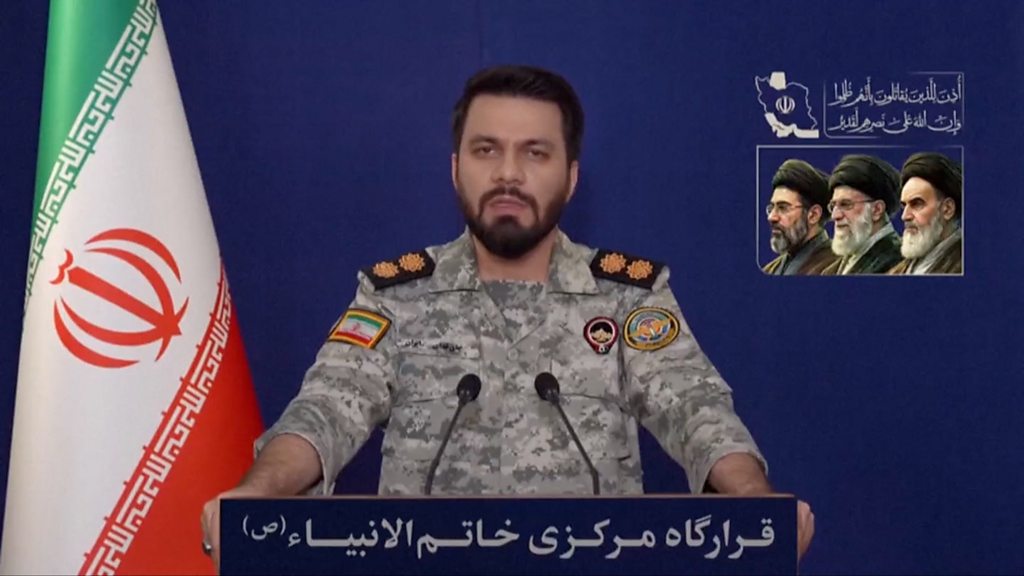
Iran’s recent rhetorical response to President Trump’s peace initiative underscores the complex interplay between geopolitical posturing and regional economic realities. While the Iranian government’s framing of the dialogue as a surrender highlights domestic political sensitivities, the underlying dynamics hold significant implications for sovereign capital allocation and regional stability. For MENA investors and policymakers, this episode necessitates a reassessment of risk parameters concerning Iranian participation in broader economic integration efforts, particularly those involving energy markets and cross-border infrastructure projects.
Capital Flows and Sovereign Risk Reassessment
The assertion that Iran has provided “a very big present worth a tremendous amount of money” by engaging in talks signals potential shifts in sanctions-related financial flows. Any substantive agreement, even a preliminary framework, could unlock Iranian oil exports and remittances, impacting OPEC dynamics and regional energy investment strategies. Conversely, the heightened rhetoric risks triggering capital flight from Iranian assets and deterring foreign direct investment (FDI) into the country. This volatility necessitates a granular analysis of sovereign risk premiums for Iranian assets and their potential spillover effects on adjacent markets within the MENA financial ecosystem. Venture capital and private equity firms operating across the region will be particularly vigilant, weighing potential opportunities against increased political exposure.
Infrastructure and Connectivity as Strategic Imperatives
Beyond immediate financial flows, the evolving Iran-US dynamic directly influences MENA infrastructure priorities. Projects like the proposed Saudi-Iran pipeline or enhanced connectivity initiatives through Iraq gain strategic importance, contingent upon sustained de-escalation. Investment in digital infrastructure, critical for facilitating cross-border trade and financial inclusion, becomes a focal point. The stability of transit corridors through the Gulf and Levant is paramount for regional economic integration. Any disruption stemming from prolonged diplomatic friction represents a significant negative externality, increasing the cost of regional trade and infrastructure development, and necessitating greater regional coordination by sovereign funds and development institutions.
Strategic Positioning in the MENA Economic Landscape
Ultimately, this episode reinforces the MENA region’s position as a nexus where high-stakes geopolitics and economic ambition converge. The ability of regional actors to navigate these complexities—mitigating risks from Iranian volatility while capitalizing on potential opportunities—will define future investment trajectories. Sovereign wealth funds and central banks must refine their strategic allocation frameworks, incorporating geopolitical risk modeling alongside traditional economic indicators. The pursuit of regional economic diversification and digital sovereignty becomes even more critical in an environment of heightened uncertainty, positioning the MENA financial community at the forefront of a challenging yet potentially transformative period.