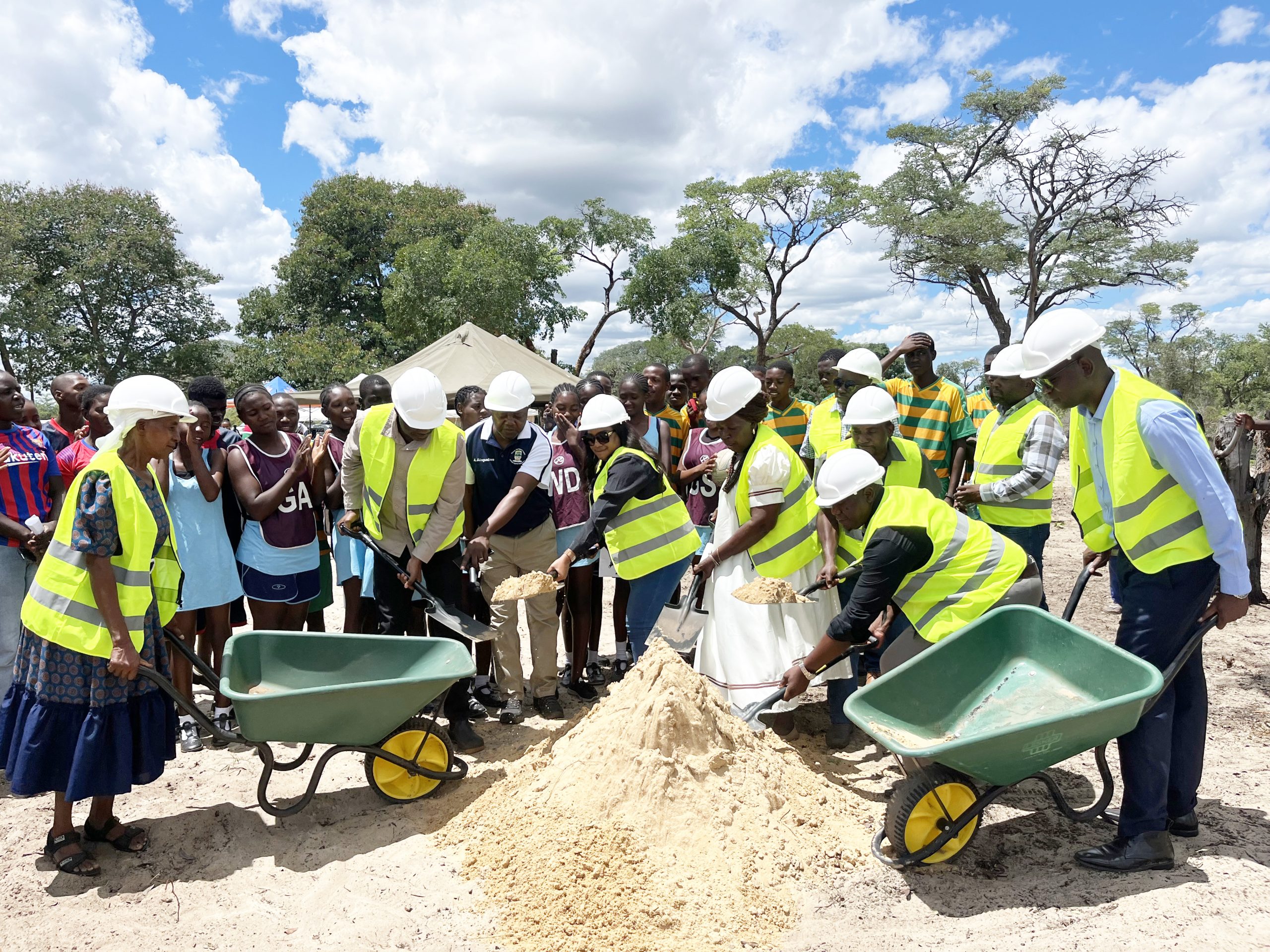

The KavangoWest region’s inauguration of two N$10 million sports‑facility projects in Haisisira and Ncamagoro villages exemplifies a growing trend among sovereign‑backed development programs to channel capital into basic, youth‑centric infrastructure. By earmarking funds for construction of playing fields, ancillary boreholes, and associated water supply, the initiative aligns with Namibia’s Vision 2030 and mirrors the strategic allocation patterns observed across MENA sovereign wealth funds, which are increasingly directing portions of their portfolios toward social infrastructure that underpins long‑term human‑capital development and economic diversification.
From a business perspective, the projects create immediate contracts for local small and medium enterprises and specialized subcontractors, stimulating regional SME activity and job creation during the build phase. The simultaneous drilling of two boreholes not only secures water for the facilities but also opens a market for water‑management technologies and maintenance services—areas attracting venture‑capital interest in the MENA context as investors seek scalable, utility‑linked ventures. Moreover, the vocational training centre’s role as main contractor introduces a pipeline for skills transfer, potentially catalyzing downstream opportunities in sports‑technology, facility‑management platforms, and community‑based digital engagement tools that VC funds are actively scouting across the region.
Strategically, the model demonstrates how targeted sovereign capital can unlock multiplier effects: improved sports infrastructure fosters youth engagement, reduces social attrition, and enhances the attractiveness of ancillary sectors such as tourism, retail, and health services. For MENA policymakers, replicating this approach—pairing infrastructure spend with local‑content requirements and ancillary utility investments—offers a viable pathway to achieve broader economic‑development goals while delivering measurable social returns. The Kavango West initiative thus serves as a concrete case study for integrating sovereign funding, venture‑capital‑ready ancillary markets, and inclusive infrastructure planning within the MENA development agenda.