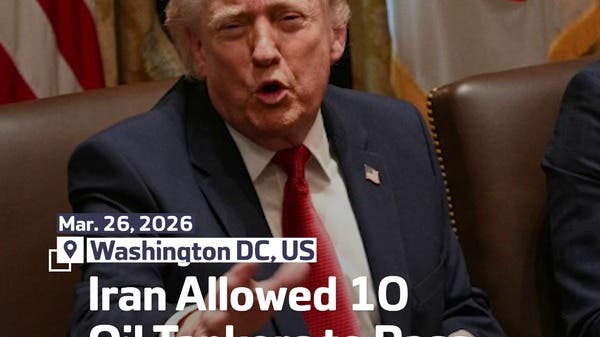

The recent, albeit temporary, allowance of ten Iranian oil tankers to transit the Strait of Hormuz, reportedly a gesture from former President Trump, underscores a critical juncture for the Middle East’s energy security and geopolitical dynamics. While the immediate impact appears limited – the tankers reached their destination in Venezuela – the episode highlights the precariousness of regional stability and the potential for unilateral actions to disrupt established trade routes. This incident serves as a stark reminder that the region’s economic health remains inextricably linked to the broader international political landscape, particularly the evolving relationship between the United States and Iran. The business implications are significant, with immediate pressure on oil prices and a renewed focus on diversifying supply chains away from the Persian Gulf, a trend already gaining momentum.
Sovereign wealth funds and state-backed investment vehicles across the MENA region are now reassessing their exposure to Iranian assets and exploring alternative investment opportunities. Significant capital, previously earmarked for projects tied to Iranian oil and gas, is being redirected towards bolstering domestic infrastructure and supporting renewable energy initiatives. Furthermore, the event accelerates the push for greater regional cooperation on energy security, potentially leading to the formalization of joint defense agreements and enhanced intelligence sharing amongst nations like Saudi Arabia, the UAE, and Egypt. The potential for increased sovereign capital deployment within the region, driven by a heightened sense of vulnerability, could fuel substantial growth in sectors beyond hydrocarbons, including technology and logistics.
Venture capital activity in the MENA region is likely to shift towards bolstering cybersecurity, critical infrastructure resilience, and alternative transportation solutions. The demonstrated fragility of existing trade routes is prompting a strategic re-evaluation of supply chain vulnerabilities. Investment is anticipated to flow into companies developing localized logistics networks, digital trade platforms, and technologies designed to mitigate geopolitical risks. Crucially, this shift will likely favor companies capable of operating independently of traditional international trade corridors, fostering a more self-reliant economic model within the region. We are already observing increased interest from regional VC firms in companies specializing in blockchain-based supply chain management and digital identity solutions.
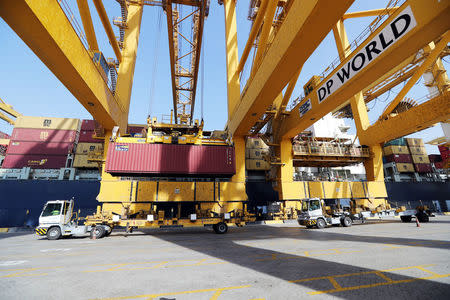
Finally, the incident necessitates a comprehensive review of regional infrastructure development strategies. Investment in port expansion, particularly in countries like Oman and Jordan, which offer alternative transit routes, will gain renewed urgency. Simultaneously, governments are likely to prioritize investments in digital infrastructure – broadband connectivity, data centers, and cloud computing – to facilitate remote operations and reduce reliance on physical transportation. The long-term implications extend beyond immediate security concerns; this episode represents a catalyst for a broader, more strategic approach to regional economic diversification and technological advancement, demanding a fundamental reassessment of investment priorities and geopolitical risk management frameworks across the Middle East and North Africa.