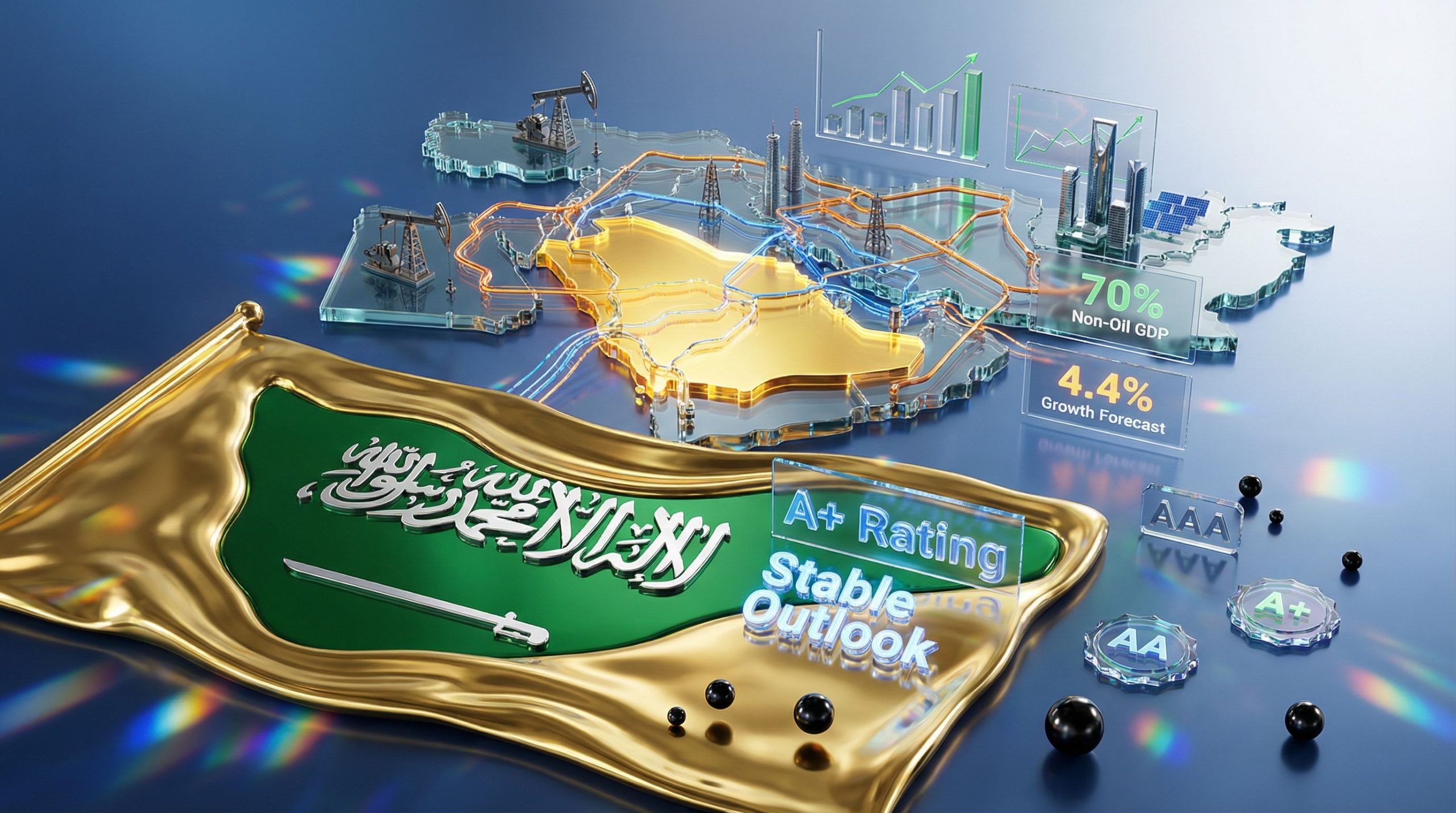

The recent S&P affirmation of SaudiArabia’s A+ sovereign rating underscores a decisive shift in how regional capital markets assess geopolitical risk, reinforcing the view that temporary supply shocks no longer dictate credit trajectories. For investors and sovereign wealth managers, this rating translates into lower cost of capital for Gulf issuers, enabling continued financing of large‑scale projects without the premium traditionally associated with regional instability. The stability signal also strengthens the Kingdom’s position as a hub for sovereign‑driven venture funds that target non‑oil sectors, as its policy flexibility and fiscal buffers provide a predictable environment for long‑term equity commitments.
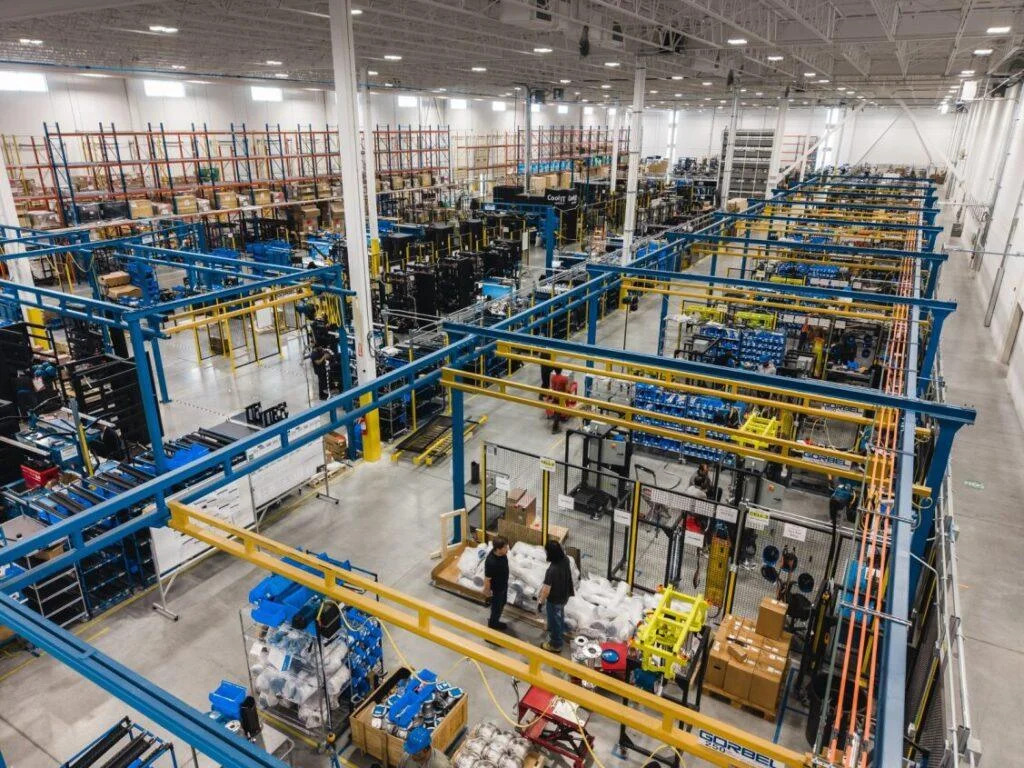
From a venture‑capital perspective, the affirmed rating enhances confidence in the Kingdom’s ability to protect and scale emerging industries such as renewable energy, advanced manufacturing, and digital services. The prospect of sustained funding for Vision 2030‑linked initiatives attracts foreign limited partners seeking exposure to high‑growth, low‑political‑risk assets in the MENA corridor. Moreover, sovereign capital deployed through the Public Investment Fund now enjoys a reinforced mandate to co‑invest in strategic technology clusters, amplifying the region’s appeal as a venture‑capital destination amid broader market turbulence.
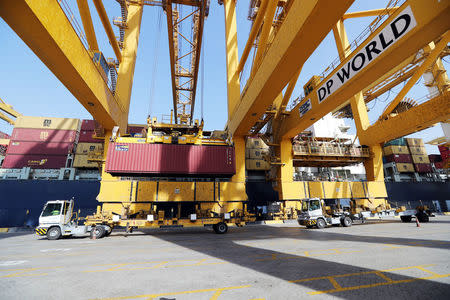
The rating affirmation also carries profound implications for regional infrastructure development, particularly regarding export route redundancy and energy security architecture. Saudi Arabia’s investment in alternative pipeline networks, storage complexes, and modular export facilities reduces dependency on contested chokepoints, a factor that rating agencies now embed directly into sovereign risk models. This infrastructure resilience not only safeguards revenue streams but also creates a blueprint for neighboring economies to pursue similar redundancy strategies, thereby elevating the overall credit profile of the Gulf bloc.
Looking ahead, market participants should monitor the interplay between sovereign rating momentum and the pace of non‑oil economic diversification, as these dynamics will dictate the flow of sovereign and private capital into MENA markets. The convergence of fiscal strength, pragmatic regulatory reforms, and robust infrastructure positioning positions the Kingdom as the primary conduit for translating geopolitical volatility into measured investment opportunities, a narrative that will shape sovereign and venture‑finance strategies across the region for the foreseeable future.