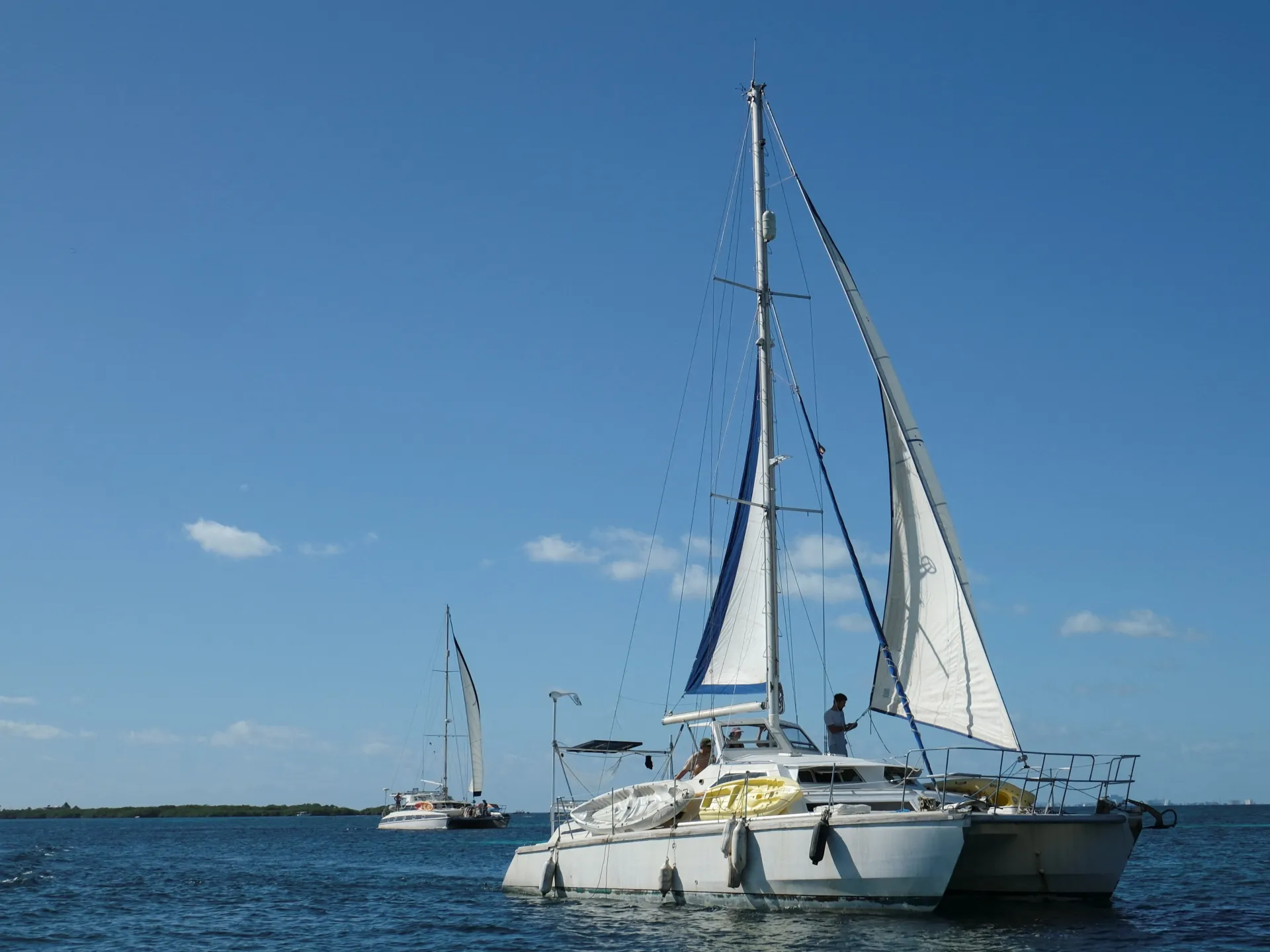

Amid increasingly complex regional dynamics, the Mexican navy’s search operation for two missing aid vessels bound for Cuba underscores the geopolitical tensions simmering in maritime logistics corridors. The incident, involving nine crew members vanishing while crossing the Caribbean, raises questions about the reliability of humanitarian supply chains in volatile areas. For governments and investors across the Middle East and North Africa, the event serves as a stark reminder of the interconnectedness of global maritime safety, naval capabilities, and the indirect pressures they place on energy and trade flows through regional chokepoints such as the Strait of Hormuz and Bab el-Mandeb.
While the case itself is geographically distant from the Middle East, its implications resonate with stakeholders who have long examined maritime security as a vital factor for protecting sovereign wealth fund assets and attracting stable foreign investment. Heightened attention is now likely to focus on the capacity of regional infrastructures, such as the rapidly evolving maritime terminals in the UAE’s Jebel Ali and Saudi Arabia’s Jeddah Islamic Port, to withstand potential spillover disruptions. Sovereign capital in the region may increasingly find impetus to channel investments into autonomous monitoring systems, cybersecurity for ports, and strategic partnerships ensuring swift, resilient response in the event of international humanitarian surges or supply chain shocks.
Venture capital, too, is poised to evaluate the utility of AI-driven vessel-tracking technologies and integrated maritime risk analytics platforms, considering both humanitarian and speculative opportunities. The growing emphasis on diversified supply networks, accelerated by geopolitical instability, will press regional sovereigns to expand contracts for high-tech security solutions and disaster-ready infrastructure. Such initiatives mirror a broader shift in investment strategy: from traditional commercial traffic to a more holistic framework encompassing operational resilience, risk management, and the safeguarding of emerging trade corridors—aligning perfectly with long-term visions set forth by Gulf Cooperation Council member states. In sum, while humanitarian aid remains anchored in moral imperatives, the commercial and capital ramifications of such maritime occurrences are set to catalyze deeper technological integration and enriched partnership frameworks across the MENA investment ecosystem.