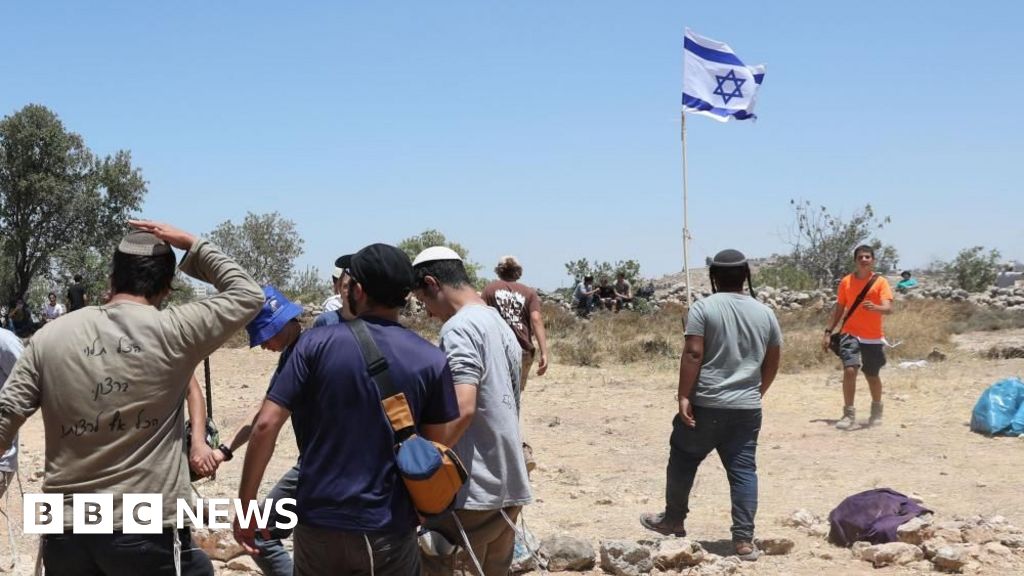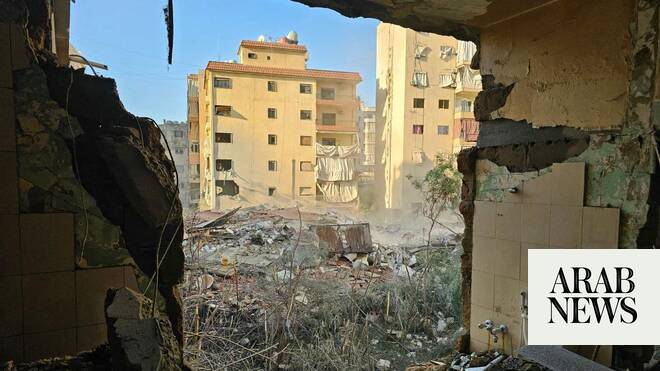

Israel’s military expansion into Lebanon, establishing a buffer zone up to the Litani River and dismantling weapons caches, presents profound implications for regional financial stability and sovereign capital management. This escalation risks deepening Lebanon’s existing sovereign debt crisis, as international creditors monitor the nation’s ability to service obligations amid escalating conflict and humanitarian collapse. The displacement of over one million Lebanese civilians, coupled with severe infrastructure damage, threatens to exacerbate fiscal pressures and strain the central bank’s foreign reserves, already depleted by decades of mismanagement. Regional financial institutions must assess potential contagion risks to Lebanon’s sovereign bonds and evaluate contingency plans for Lebanese diaspora capital flight, which could accelerate capital outflows from an already fragile financial system.
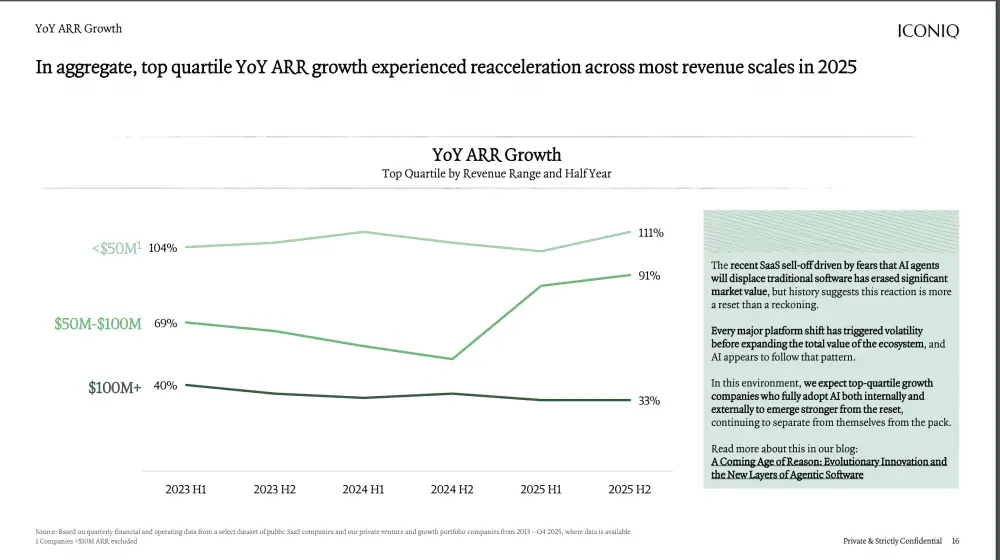
Beyond sovereign concerns, the conflict’s impact on venture capital investment flows across the MENA region warrants critical analysis. The heightened security environment, particularly along Lebanon’s volatile border regions, may deter foreign direct investment and disrupt technology sector growth, a key focus area for regional VC funds. Conversely, cybersecurity investments and fintech solutions tailored to address the needs of displaced populations could see accelerated demand, potentially offering niche opportunities within the broader venture capital landscape. Analysts must monitor these shifting investment patterns, balancing traditional risk aversion against the potential for targeted innovation in response to the crisis, as VC activity could face significant headwinds in conflict-affected areas.
Infrastructure resilience and regional project timelines face substantial disruption. Damage to Lebanon’s transport networks, energy infrastructure, and telecommunications assets, coupled with the evacuation of critical population centers, impedes the implementation and maintenance of vital regional infrastructure initiatives, such as those within the Saudi Vision 2030 framework. The conflict complicates logistics for cross-border projects and raises questions about long-term capital expenditure commitments in a region now facing renewed geopolitical volatility. Strategic infrastructure players and sovereign wealth funds must now prioritize adaptive planning, incorporating conflict risk assessments and contingency logistics into future MENA-wide development strategies to mitigate cascading economic consequences.