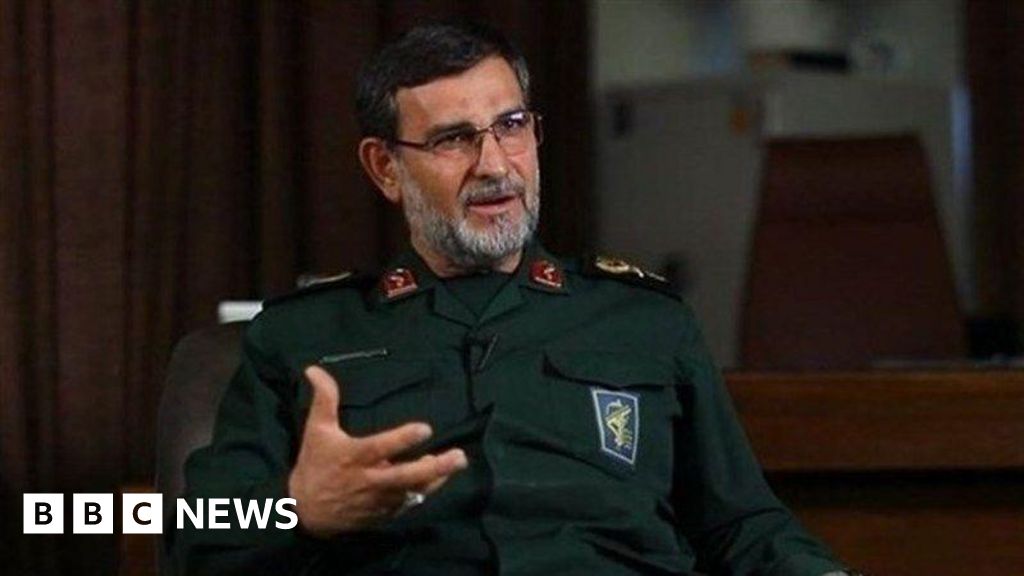

The recent statement by Israel’s defence minister confirming the loss of several senior Navy command officials underscores a sharp escalation in maritime tensions that reverberates well beyond the immediate theatre of conflict. For sovereign wealth funds and state‑linked investors across the Gulf and North Africa, the incident triggers a reassessment of geopolitical risk premiums attached to assets exposed to Red Sea and Eastern Mediterranean sea lanes. Historically, such spikes in defence‑related volatility have prompted sovereign capital to re‑balance toward safer, liquid holdings while simultaneously increasing allocations to defense‑oriented sectors and regional security‑focused infrastructure funds.
From a venture‑capital perspective, the heightened security environment threatens to dampen investor appetite for early‑stage tech ventures that rely on stable maritime logistics for hardware prototyping, component imports, and export‑oriented SaaS platforms. Israeli‑based deep‑tech and cybersecurity startups, which have attracted substantial MENA‑based VC participation over the past decade, may face tighter due‑diligence scrutiny and a possible slowdown in cross‑border co‑investment deals. Concurrently, regional VC firms are likely to accelerate diversification into non‑maritime‑dependent verticals—such as fintech, health tech, and renewable energy—to mitigate exposure to supply‑chain disruptions.
Infrastructure planners must also contend with the potential degradation of confidence in key maritime hubs, including the Port of Haifa, the Suez Canal corridor, and emerging logistic zones in Saudi Arabia’s NEOM and the UAE’s Khalifa Port. Any perception of heightened risk could lead to deferred capital expenditure on port automation, cold‑chain facilities, and renewable‑energy‑powered ship bunkering projects. Sovereign investors, tasked with safeguarding long‑term returns, may thus shift focus toward overland transport alternatives—rail links, inland logistics parks, and digital trade‑facilitation platforms—to preserve the resilience of MENA’s trade‑dependent economies amid an increasingly volatile security backdrop.