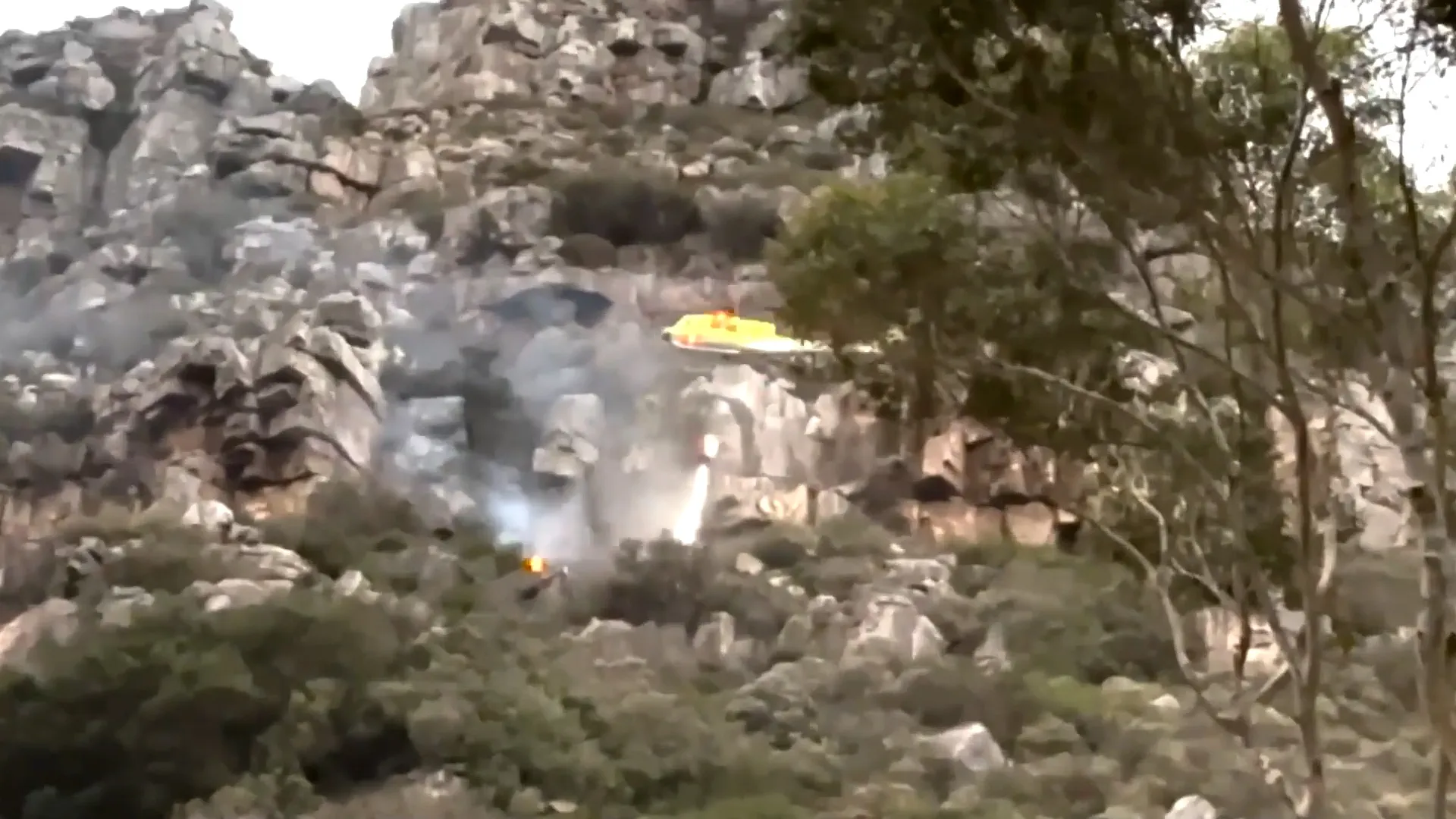

The recent lossof control by a South African firefighting helicopter, resulting in a crash during a water‑drop operation, underscores the operational volatility inherent in high‑risk aerial services. While the incident occurred outside the MENA theatre, its financial reverberations are instructive: insurers and sovereign risk officers are likely to re‑price coverage for aviation assets in emerging markets, prompting a modest but measurable uptick in premiums for government‑backed flight contracts.
For regional sovereign wealth funds, the episode serves as a cautionary data point when evaluating exposure to aviation‑related equities or venture portfolios that target safety‑technology startups. The heightened scrutiny may accelerate capital reallocation toward firms developing autonomous flight controls, predictive maintenance algorithms and low‑cost unmanned aerial systems, sectors that have already attracted incremental venture capital in the Gulf and North Africa.
Infrastructure planners across the Middle East and North Africa are expected to factor in more rigorous resilience standards for emergency response fleets, particularly where public‑private partnerships finance aerial firefighting or disaster‑relief assets. This could translate into larger budgetary allocations for modular airbases, upgraded maintenance hangars, and integrated command‑and‑control networks, all of which present downstream opportunities for construction conglomerates and engineering firms.
Ultimately, while the crash itself is a localized safety incident, the broader narrative of risk mitigation in high‑stakes aerial operations is reshaping investment narratives. Sovereign and private capital alike are recalibrating their exposure to aviation‑adjacent assets, spurring a modest but discernible shift toward technologies that enhance flight safety and infrastructure robustness across the MENA region.