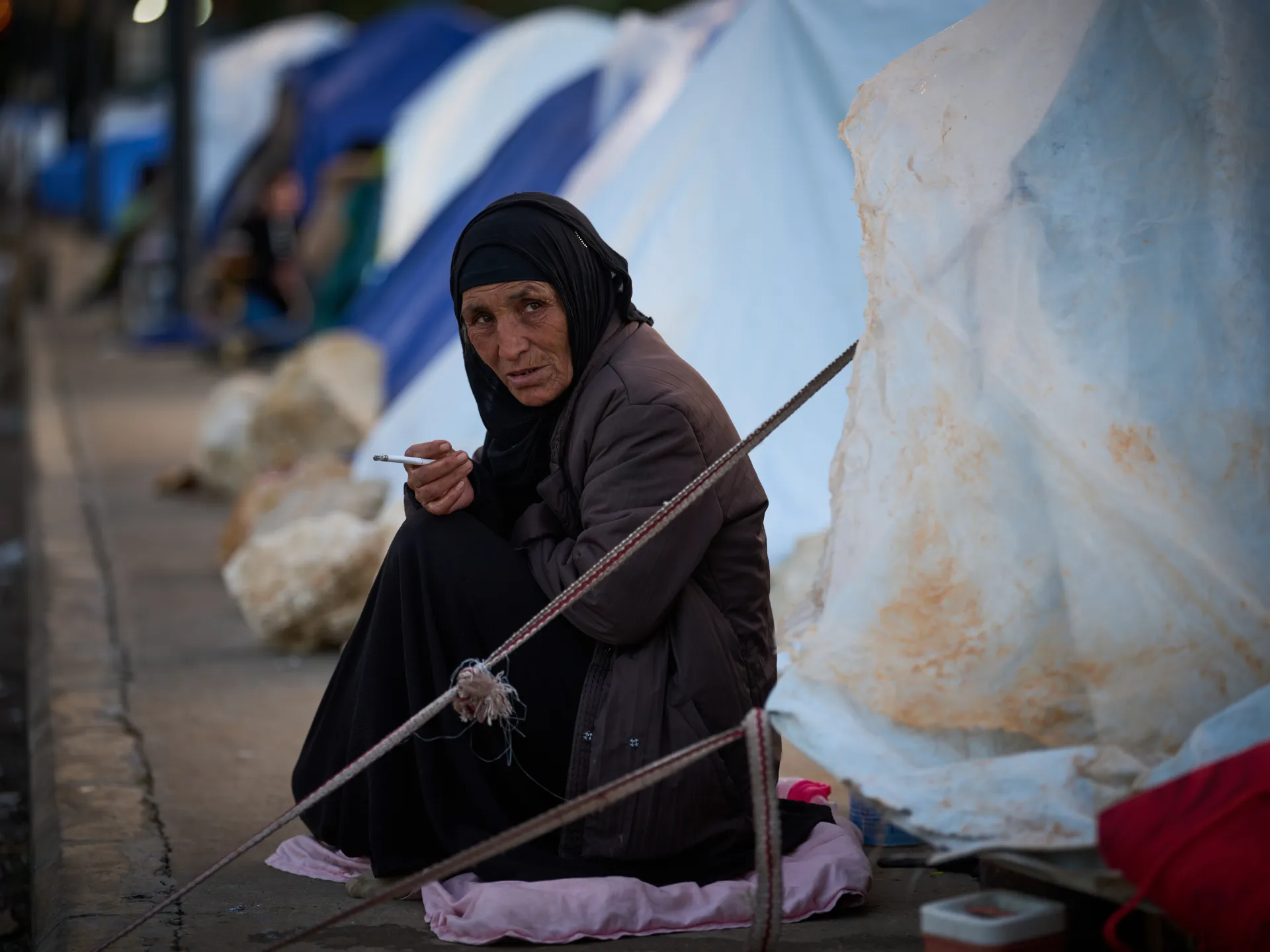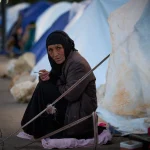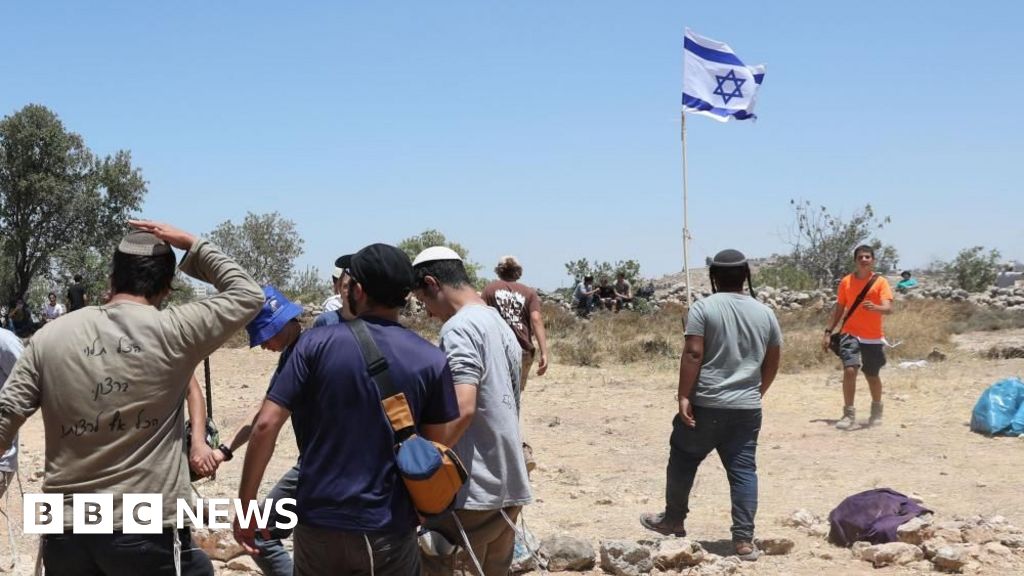

Persistent violence against Palestinians by Israeli settlers, such as the killing of Mohammad al-Malhi, underscores the destabilizing economic repercussions rippling across the Middle East and North Africa (MENA). The escalation in settler attacks, amid the proxy conflict with Iran, exacerbates investor uncertainty, deterring sovereign capital from flowing into a region already strained by geopolitical volatility. Governments face mounting pressure to divert scarce resources toward security and humanitarian efforts, diverting funds from critical infrastructure and development projects. This sovereignty-driven capital reallocation risks deepening economic fragility, undermining the already tenuous growth recovery post-pandemic and pandemic-related sanctions strains.
The turbulence stifles private-sector dynamism, particularly in venture capital ecosystems. Startups in formalized sectors like fintech and renewable energy struggle to secure cross-border funding as conflicts heighten perceived operational risks. For instance, MENA’s recent surge in VC activity—attracted by regional reforms and tech hubs in Dubai or Doha—faces headwinds as geopolitical divisions deter global investors from committing long-term equity. Local entrepreneurs warn that such instability not only jeopardizes nascent ventures but also weakens regional interoperability in digital and green infrastructure, sectors poised to redefine 21st-century MENA economies.
Infrastructure vulnerabilities are equally acute. Supply chain logistics, already strained by Red Sea disruptions and Gulf commodity price volatility, face physical disruptions as border regions and industrial zones become frontlines of conflict. Rebuilding damages to key nodes—such as the Gaza-Israel logistics corridors or cross-border trade routes—demands sovereign capital better allocated to broader economic resilience. The dual burden of reconstruction costs and escalating insurance premiums further strains sovereign finances, curtailing investments in long-term projects like desalination plants or renewable energy grids vital to climate adaptation in the region.