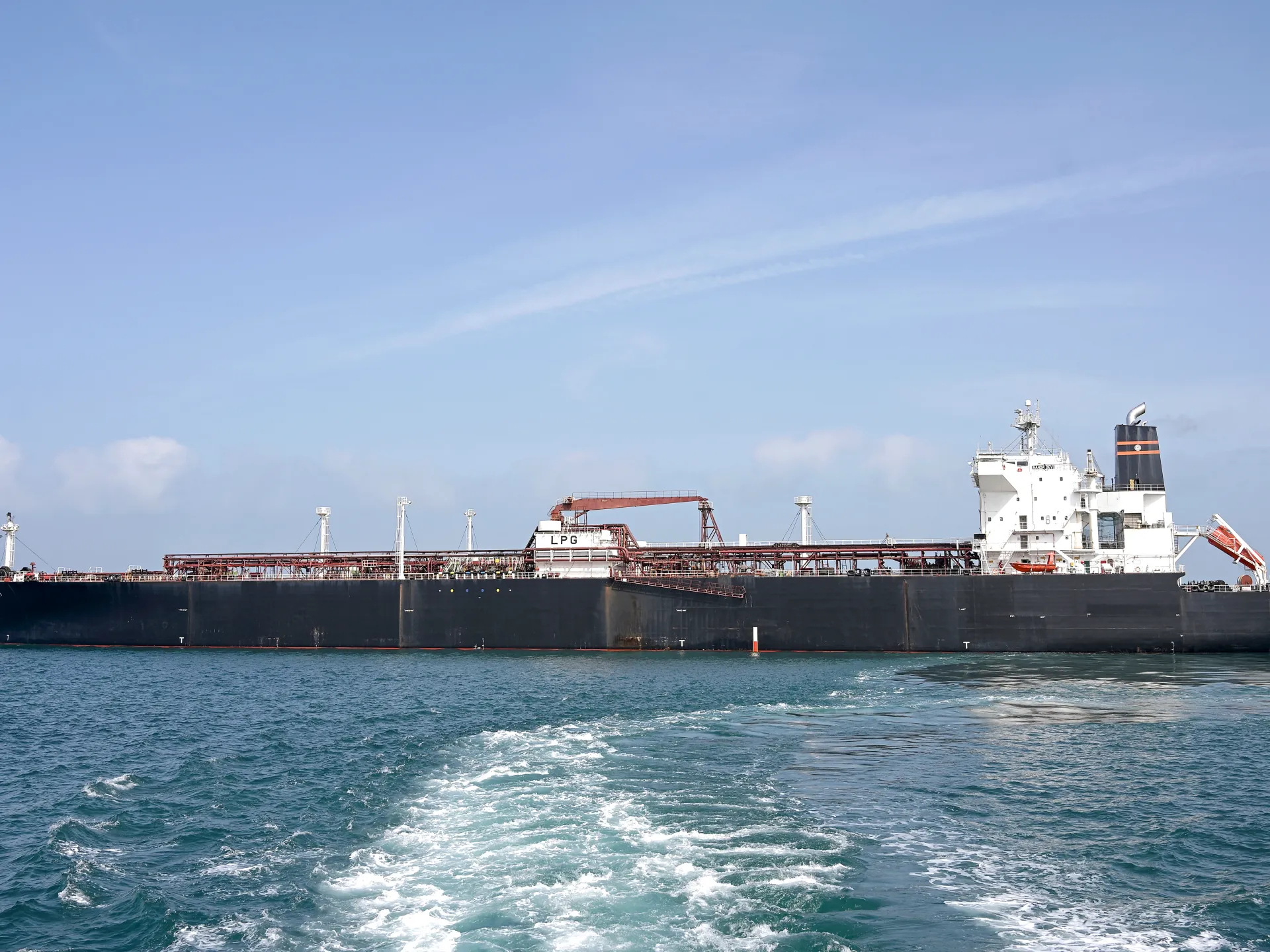

The escalating conflict in the Middle East, particularly the recent attacks on Iranian energy infrastructure, has sharply disrupted global oil and gas markets and underscored the fragility of existing energy transit routes. The Strait of Hormuz, a critical chokepoint for approximately 20% of the world’s oil and gas – representing 20 million barrels per day – has seen a near-complete shutdown in the past week, forcing producers to explore alternative logistical pathways. This situation presents a significant challenge to the region’s economic stability and necessitates a strategic assessment of sovereign capital deployment, venture capital flows, and the long-term implications for regional infrastructure.
Several pipelines stand as potential, albeit limited, alternatives to the Hormuz route. Saudi Arabia’s East-West pipeline, with a capacity of up to 7 million bpd, has seen a notable increase in throughput since the start of the conflict, currently averaging 2.9 million bpd. However, this capacity falls short of the 20 million bpd at stake. Similarly, the UAE’s Abu Dhabi Crude Oil Pipeline, though operating at a lower capacity of 1.5 million bpd, has witnessed a rise in exports from Fujairah. The Iraq-Turkiye Crude Oil Pipeline, with a capacity of 1.6 million bpd, currently transports around 200,000 bpd. While these pipelines offer a degree of diversification, their combined capacity of approximately 9 million bpd is insufficient to fully compensate for the loss of Hormuz’s throughput. Furthermore, these land-based alternatives remain vulnerable to attacks from Iranian and other regional actors, raising significant operational and geopolitical risks.
The implications of this disruption extend beyond immediate logistical challenges. Sovereign wealth funds in the MENA region are increasingly channeling capital into infrastructure projects aimed at bolstering regional energy security. This includes investments in pipeline development, port expansion, and the modernization of existing energy infrastructure. Simultaneously, venture capital is flowing into companies specializing in alternative energy solutions, such as LNG terminals and hydrogen production, recognizing the long-term need for energy diversification. The crisis is also accelerating the imperative for regional infrastructure development, particularly in the energy sector, with nations collaborating on projects to enhance pipeline capacity and streamline export routes. However, the inherent risks associated with these alternatives, including geopolitical instability and the potential for escalating conflict, necessitate a cautious and strategic approach to investment.
While the cessation of activity through the Strait of Hormuz presents a critical disruption, the reliance on alternative routes is not without its own inherent risks. The limited capacity of existing pipelines, combined with the ongoing threat of attacks, suggests that a complete transition away from the Strait of Hormuz remains unlikely in the near term. The long-term solution likely involves a multifaceted approach encompassing infrastructure development, diversification of supply chains, and enhanced regional security cooperation. Moreover, the situation underscores the importance of strategic partnerships and collaborative efforts amongst regional and international actors to mitigate the vulnerabilities exposed by this geopolitical event. Failure to address these challenges will likely result in sustained volatility in global energy markets and further strain on the economies of the Middle East and North Africa.