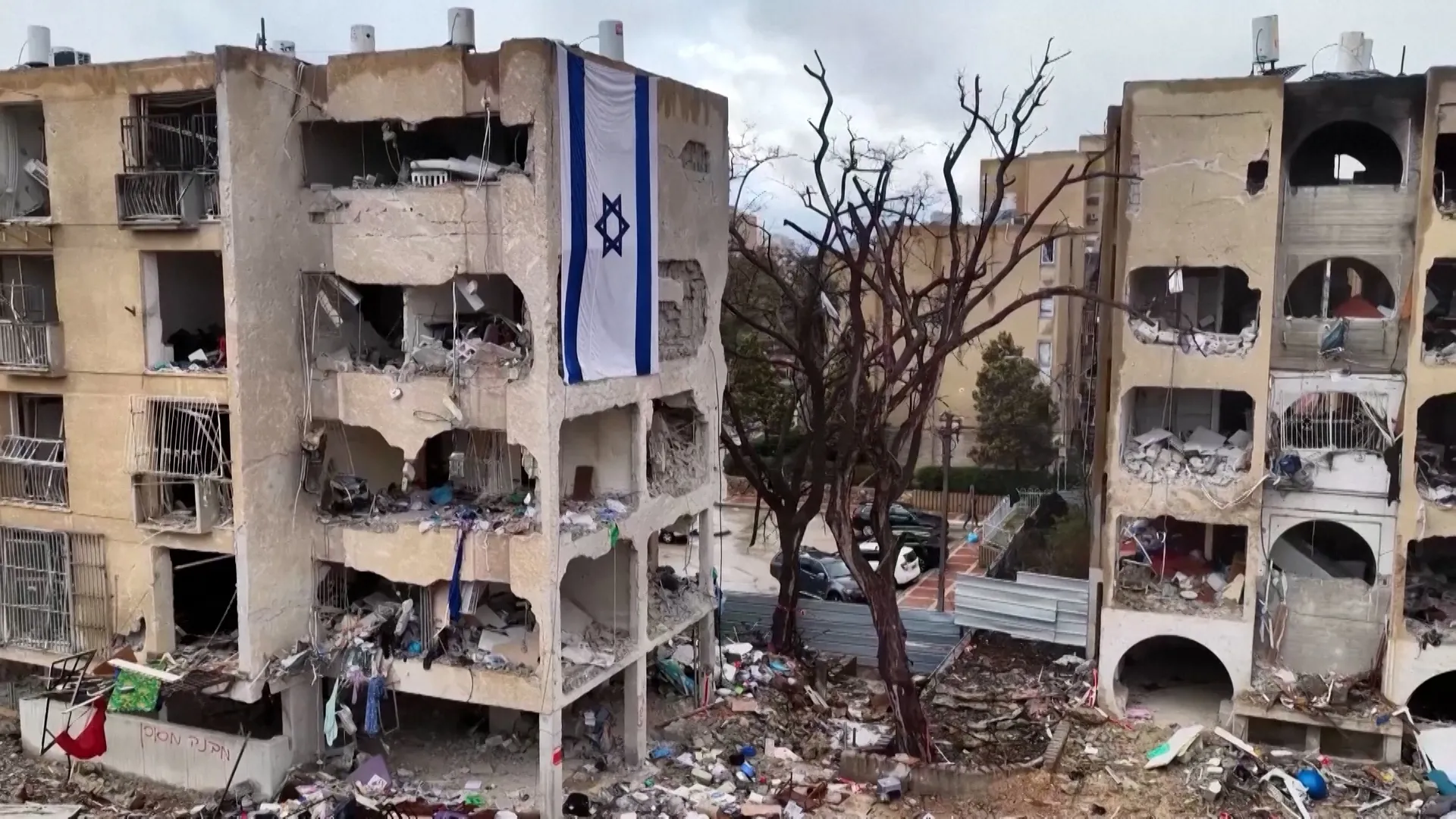

The ongoing Israeli offensive in Lebanonis precipitating a deepening humanitarian crisis that carries significant macro‑financial repercussions for the broader MENA region. Displacement figures exceeding 1.8 million civilians strain Lebanese sovereign balance sheets, inflating public debt servicing costs and pressuring the already fragile Lebanese pound through heightened fiscal deficits. International creditors and rating agencies are already factoring higher sovereign risk premiums into Lebanese and, by extension, select Gulf‑linked exposure portfolios, given the contagion risk of spill‑over instability.
From an equity and credit perspective, Lebanese sovereign bonds and regional quasi‑sovereign issuers are experiencing heightened volatility, with yields widening by more than 150 basis points in the secondary market over the past week. Sovereign wealth funds and sovereign‑linked private equity platforms are recalibrating exposure thresholds, while institutional investors are accelerating due‑diligence on counterparties with direct or indirect exposure to Lebanon’s real‑estate and utilities sectors, where asset valuations are being eroded by repeated infrastructure attacks and forced relocations.
The regional infrastructure landscape is undergoing a strategic recalibration as critical linkages—most notably the bridges spanning the Litani and other southern waterways—are repeatedly destroyed, impairing supply‑chain continuity and limiting the operational capacity of logistics hubs that serve both Lebanese and trans‑Mediterranean trade corridors. This degradation forces governments and multilateral development banks to divert capital toward reconstruction and resilience projects, diverting funds from growth‑oriented initiatives and compelling venture capital firms to pivot toward “resilience tech” startups focused on modular shelters, decentralized energy micro‑grids, and AI‑driven logistics optimization.
In the longer term, the forced displacement of over 150,000 individuals from Beirut’s southern suburbs and adjacent districts generates a cascading demand shock for affordable housing, financial inclusion services, and localized credit facilities, presenting both risk‑adjusted return challenges and untapped capital deployment opportunities. Institutional investors that can align sovereign‑backed reconstruction mandates with high‑impact venture capital structures are likely to capture outsized alpha, provided they navigate the attendant geopolitical and regulatory headwinds with a disciplined, data‑driven approach.