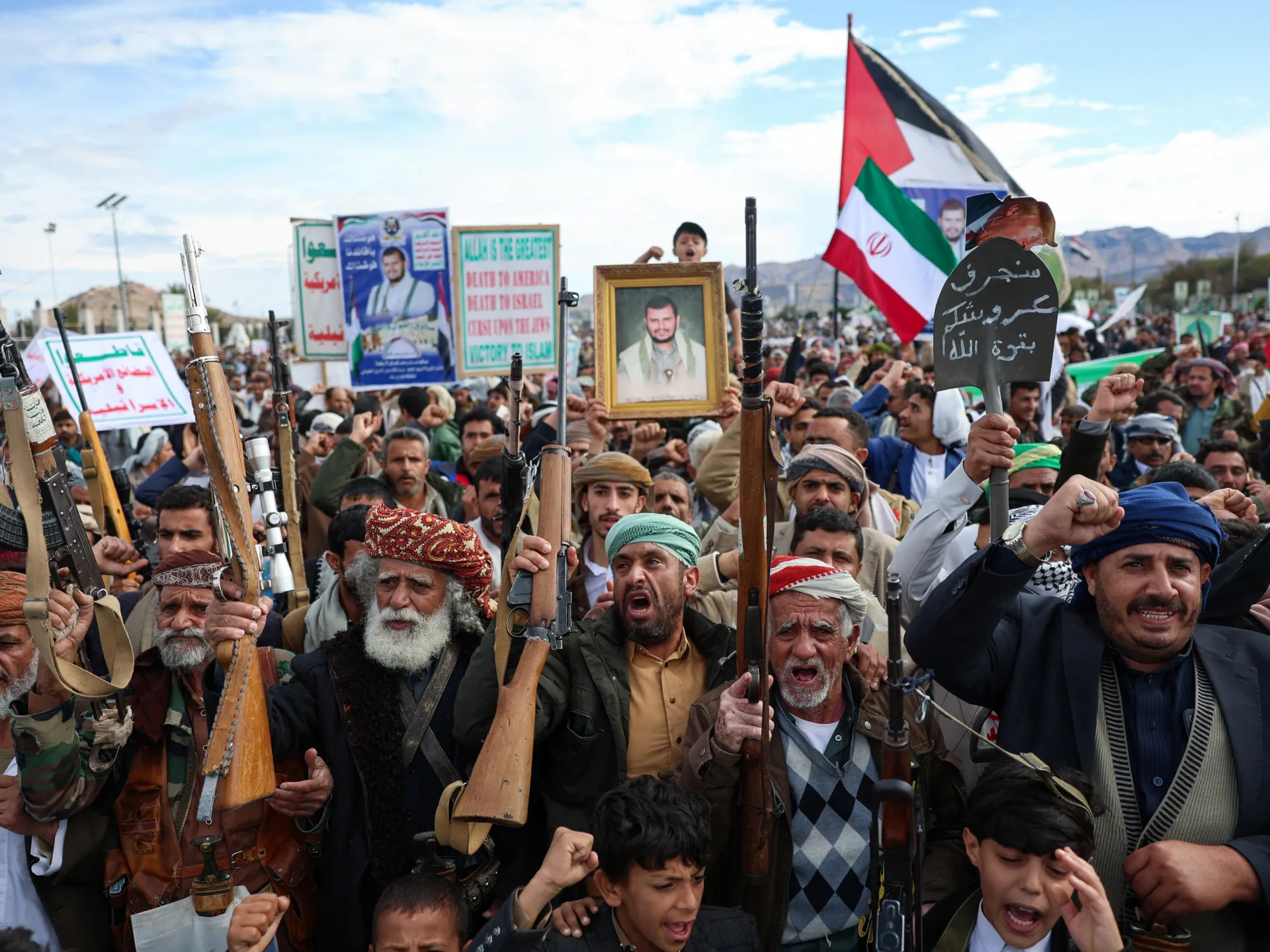

The ongoing tensions surrounding the Houthis and their strategic ambitions are reshaping the geopolitical calculus in the Middle East. In a pivotal statement delivered amid escalating regional alarms, the group’s military spokesperson Yahya Saree reaffirmed a critical threshold—calling for an immediate cessation of operations that threaten vital arteries of energy and commerce, particularly the Red Sea. This declaration carries profound weight, signaling both a defensive posture and a potential harbinger of broader conflict should global alliances fracture into open confrontation. The Houthis are not merely reacting to current pressures; they are recalibrating their stance in response to fluctuating diplomatic currents, the hardened unification of regional powers against Iran, and the ever-present existential stakes in maritime trade.
For sovereign capital markets, the implications are material. A confirmed shift in the Iran-Saudi axis could trigger a seismic revaluation of sovereign debt, energy futures, and capital flows throughout the MENA region. International investors are acutely sensitive to these inflection points, as they may shift risk premia and accelerate liquidity reallocation toward defensive assets. Furthermore, the potential recalibration of proxy engagements—especially with U.S. and Israel’s entanglement in Yemen’s internal power struggle—underscores the delicate balancing act undertaken by investors whose portfolios are exposed to both regional volatility and liquidity disruptions.
From an infrastructure perspective, the repeated attacks targeting Red Sea shipping lanes underscore an underlying reality: these maritime chokepoints are critical not just for regional stability but for global supply chains. Capital under scrutiny now faces heightened exposure to disruptions fueled by Houthi ambitions. For regional stakeholders, the stakes extend beyond immediate military confrontations—they encompass long-term investment security, infrastructure resilience, and the very viability of economic corridors that power the Gulf’s prosperity. Investors and sovereign entities must recalibrate their exposure, incorporating contingency frameworks that anticipate the convergence of geopolitical tensions with operational risks in one of the world’s most strategically vital corridors.
In the new equilibrium emerging from these developments, only adaptive, risk-aware strategies will prevail. The Houthis’ strategic calculus is clear: they are not merely defending Yemen but positioning themselves to alter the balance of power. This forces a fundamental reassessment of sovereign capital holdings, with regional investors recalibrating exposure in anticipation of possible escalation. The coming months will be defined not by isolated incidents, but by the outcomes of diplomatic settlements and the resilience of infrastructure capable of withstanding the pressures of an intensifying regional contest. The business case for foresight, agility, and risk mitigation becomes paramount in this new chapter.