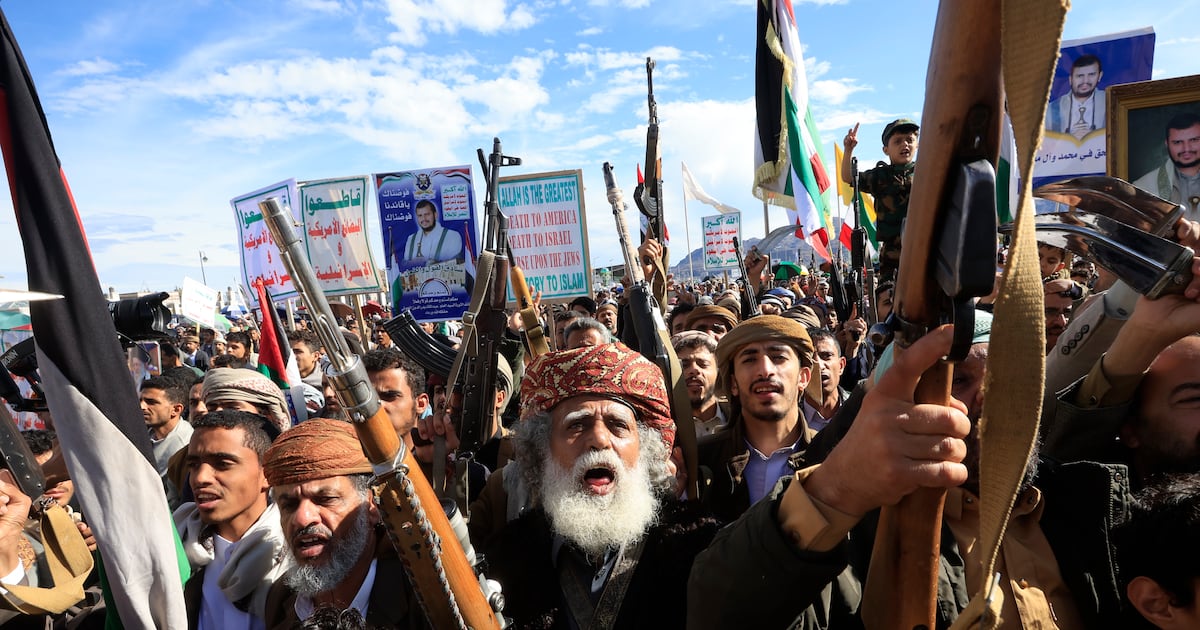

The Houthi militia’s renewed threat to intervene in a widening US‑Israeli confrontation with Iran places two of the world’s most vital maritime chokepoints— the Strait of Hormuz and Bab Al Mandeb— under simultaneous risk. Should both arteries be disrupted, the end‑to‑end corridor that moves roughly 6‑7 million barrels of oil per day and a comparable share of Asia‑Europe container traffic could be severed, forcing shippers to reroute around the Cape of Good Hope. The resulting surge in transit times would lift freight rates, elevate insurance premiums, and add measurable pressure on global oil prices, which are already buoyed by the Hormuz blockade. For MENA‑based sovereign wealth funds—such as Saudi Arabia’s PIF, Abu Dhabi’s Mubadala, and Qatar’s QIA—this scenario translates into heightened commodity‑price exposure and a compelling incentive to rebalance portfolios toward hedged energy assets, diversified logistics holdings, and risk‑adjusted sovereign credit.
From an infrastructure standpoint, the prospect of a dual‑strait blockade accelerates existing MENA strategies to develop alternative trade conduits. Sovereign capital is already being directed toward projects that reduce reliance on the Red Sea corridor: Saudi Arabia’s NEOM logistics hub and the King Abdullah Port, the UAE’s expansion of Jebel Ali and Khalifa Ports, and Egypt’s ongoing upgrades to the Suez Canal and the Suez Canal Economic Zone. These initiatives, backed by sovereign wealth and strategic development funds, aim to create multimodal hubs that can absorb diverted cargo flows while offering value‑added services such as transshipment, warehousing, and digital customs processing. Simultaneously, heightened security concerns are likely to trigger increased sovereign spending on naval patrols, maritime surveillance systems, and joint Gulf‑Red Sea task forces, reinforcing the region’s role as a guarantor of global trade continuity.
For venture capital and private‑equity investors, the emerging risk environment reshapes opportunity sets across the MENA tech landscape. There is an imminent uptick in demand for advanced maritime‐domain‑awareness platforms—AI‑driven vessel tracking, predictive routing, and blockchain‑based bill‑of‑lading solutions—as well as cybersecurity tools protecting port operational technology. Energy‑transition startups that offer alternative fuels, ship‑to‑shore power, or carbon‑capture retrofits also stand to attract sovereign‑backed growth capital as governments seek to mitigate the oil‑price volatility triggered by choke‑point disruptions. While overall VC deployment may face a temporary pullback amid macro‑uncertainty, sector‑specific funds focused on logistics tech, defense‑tech, and resilient infrastructure are poised to capture a disproportionate share of capital flowing into the region’s security‑and‑trade‑upgrade agenda.