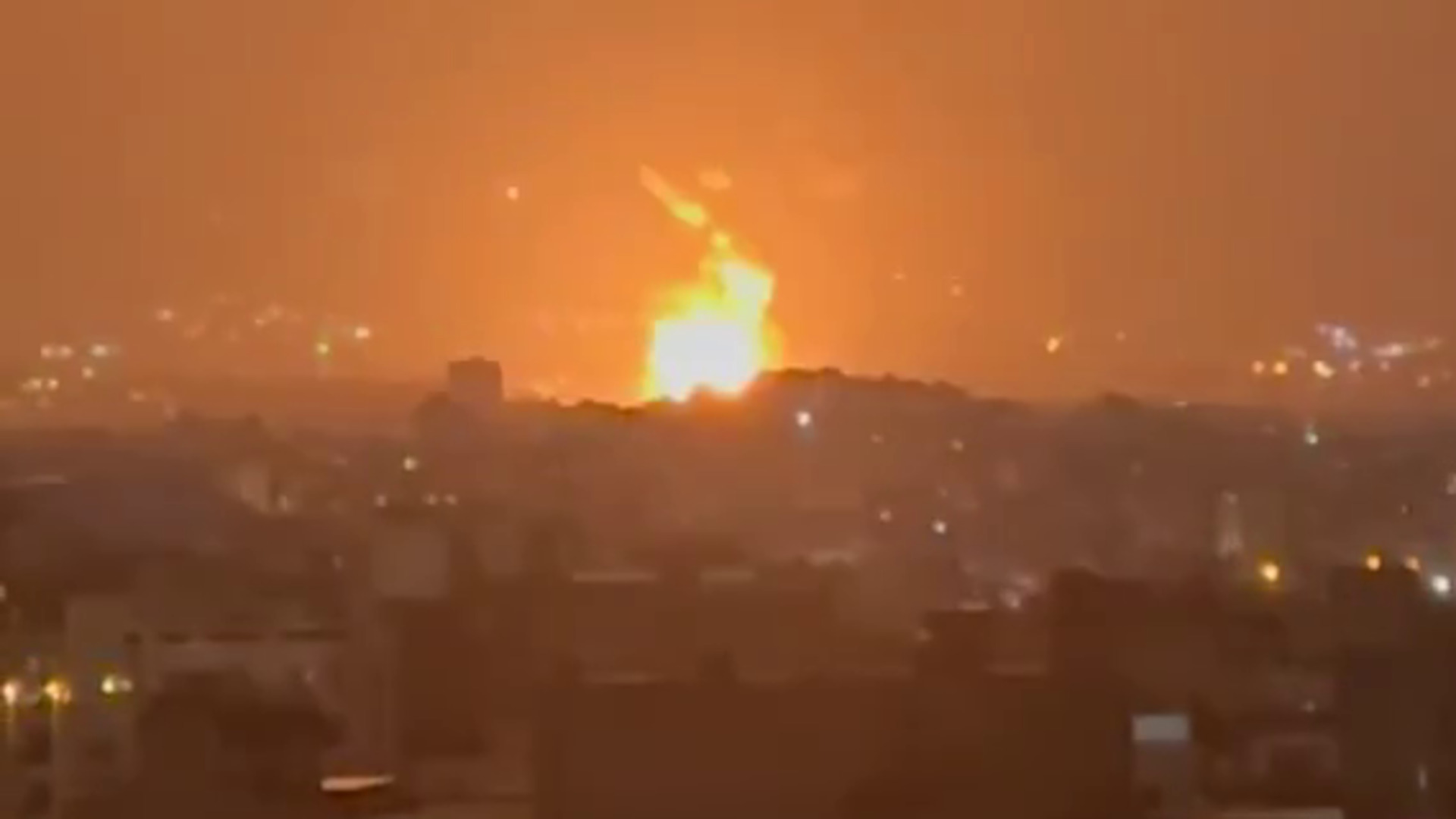

The early‑morning US‑Israeli airstrikes on Tehran and Isfahan have triggered an immediate spike in geopolitical risk premia across Middle Eastern energy markets, with Brent crude futures jumping roughly 3 % in the first trading hour. Sovereign wealth funds domiciled in the Gulf—particularly Abu Dhabi’s ADQ, Saudi Arabia’s PIF, and Qatar’s QIA—are re‑examining their exposure to Iranian‑linked assets and the broader volatility premium embedded in their portfolios. Analysts expect a short‑term reallocation toward safer, dollar‑denominated instruments and a heightened scrutiny of any direct or indirect linkages to the struck facilities, potentially prompting a temporary pause in new capital commitments to Iran‑centric infrastructure projects.
Venture capital activity across the MENA tech corridor, which has seen record fundraising in fintech, health‑tech, and renewable‑energy startups over the past 24 months, is now facing a recalibration of risk appetite. Limited partners, many of whom are sovereign‑backed funds or family offices with regional ties, are likely to impose stricter due‑diligence clauses concerning supply‑chain resilience and geopolitical exposure. Early‑stage investors based in Dubai and Riyadh have already signaled a preference for startups with diversified customer bases outside Iran and for those leveraging cloud‑first architectures that mitigate physical‑asset vulnerability. Consequently, deal flow may slow in the near term while valuation multiples adjust upward for firms perceived as insulated from the conflict.
Beyond financial markets, the strikes raise pressing questions about the resilience of critical regional infrastructure. Iran’s refining capacity in the Isfahan complex and its petrochemical hubs are integral to the Middle East’s supply chain for plastics, fertilizers, and refined fuels; any prolonged disruption could reverberate through downstream industries in the Gulf, Levant, and North Africa, inflating input costs and pressuring margins. Insurance syndicates are already noting increased claims potential for business interruption and political violence coverage, prompting a repricing of premiums across the corridor. In the medium term, governments may accelerate investments in alternative logistics routes, strategic reserves, and cyber‑physical security hardening to mitigate similar shocks, thereby reshaping the region’s infrastructure investment pipeline.