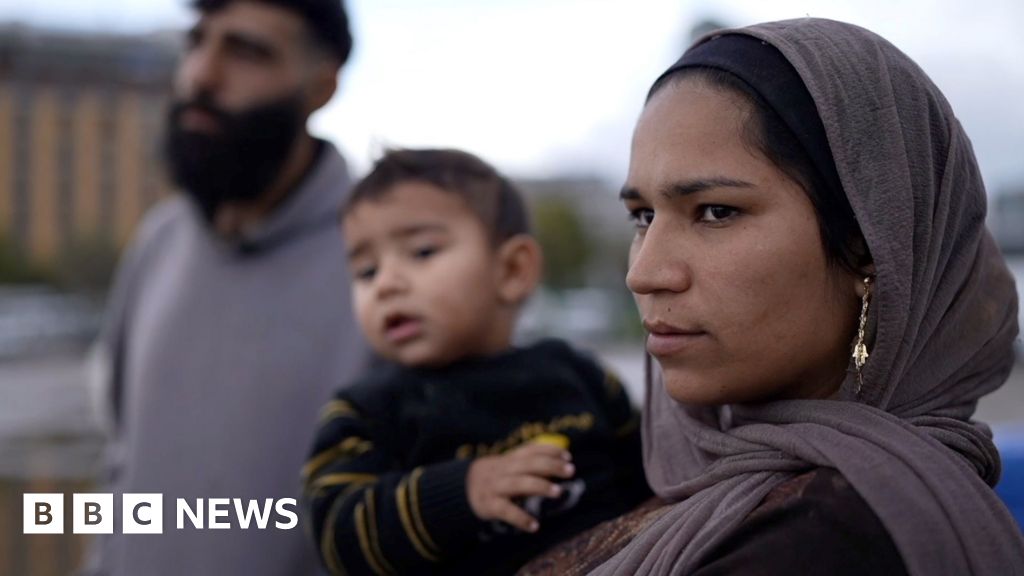

The escalating conflict between Israel and Hezbollah, backed by Iran, has triggered a humanitarian crisis in Lebanon, with over one million people displaced and critical questions emerging around the economic fallout for the wider Middle East and North Africa (MENA) region. This disruption arrives at a precarious time when Middle Eastern economies are seeking to diversify and attract foreign and venture capital investment. The destruction of infrastructure, loss of displacement of skilled workers, and disruption to trade networks will likely stall key infrastructure projects in Lebanon, including planned energy and transport upgrades that were partially financed through sovereign and multilateral capital.
For investors and venture capitalists, the conflict raises concerns about regional stability—a cornerstone for sustained growth in MENA tech hubs and startup ecosystems. Lebanon’s ongoing instability risks delaying or halting nascent ventures, particularly those in digital services and fintech sectors, which were beginning to attract increased attention from sovereign wealth funds and Asian capital seeking alternative markets. The humanitarian impact also signals a strain on public finances, making it harder for the Lebanese government to service sovereign debt or stimulate post-conflict recovery, potentially leaving investors cautious for years.
Beyond Lebanon’s borders, investor sentiment in the region may sour if the conflict widens. Sovereign development funds across the Gulf, weighing investments in Lebanon’s transport and energy infrastructure—often viewed as regional growth multipliers—must now reassess exposure. The inability to guarantee stability or return on critical infrastructure projects threatens the broader Vision 2030 initiatives pursued by several MENA states. Without political stability and effective governance, the human cost of conflict will be compounded by faltering regional economic integration and deterred capital flows, impacting both domestic livelihoods and foreign investor confidence across the Middle East.