
MENA Economic Implications of Pakistan’s Cricket Governance Crisis and Regional Infrastructure Vulnerability
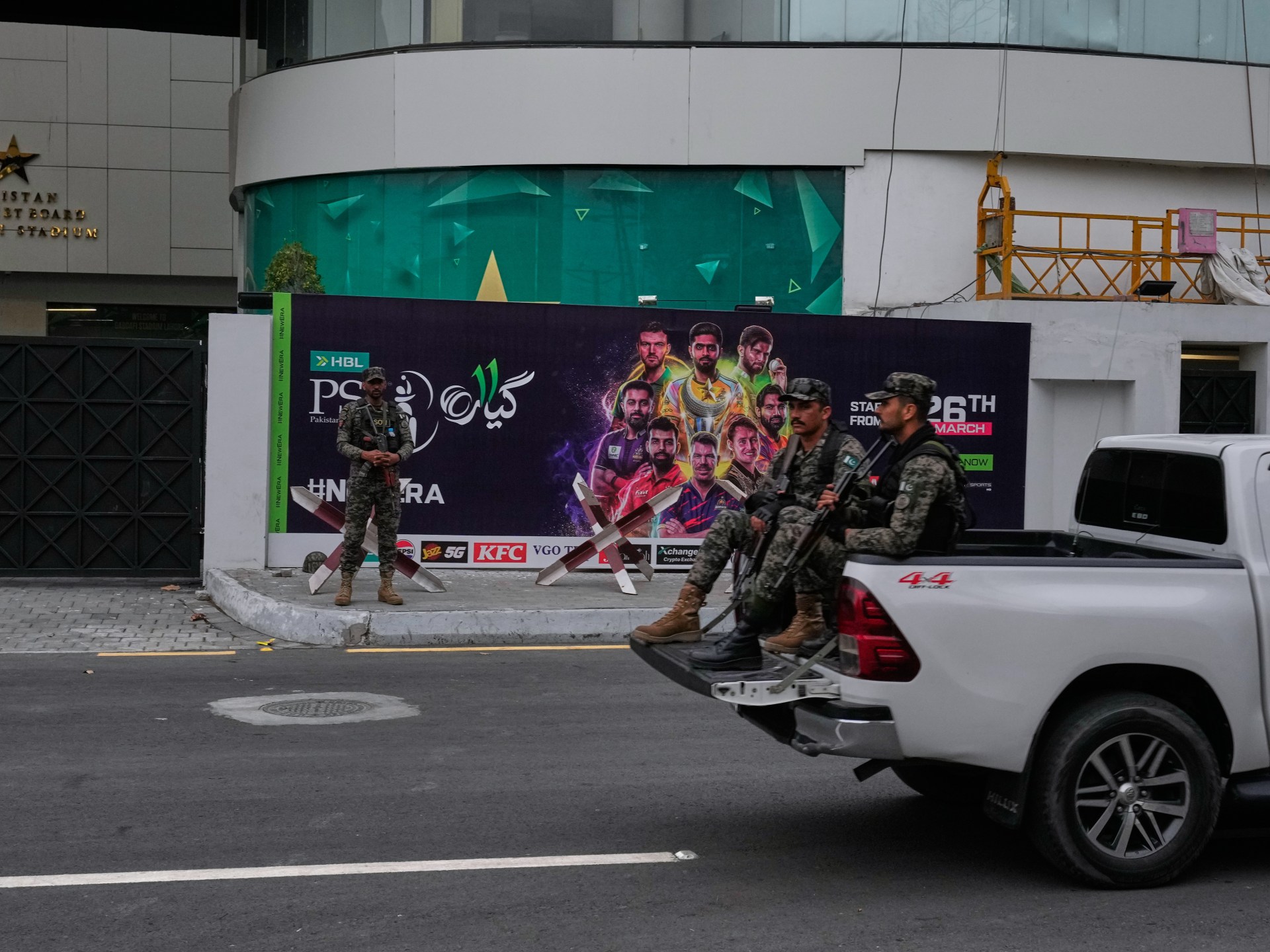
The Pakistan Cricket Board’s (PCB) swift disciplinary action against star fast bowler Naseem Shah for criticizing the political presence at a PSL match underscores profound implications for regional sovereign capital and VC engagement. Shah’s alleged contractual violation, following his critique of Chief Minister Maryam Nawaz’s attendance at Gaddafi Stadium, reflects heightened sensitivity to political symbolism and governance stability within Pakistan’s premier league. This incident signals potential risks for MENA sovereign wealth fund (SWF) and VC investments tied to Pakistani sports infrastructure, as regulatory volatility and institutional rigidity may deter long-term capital commitment, particularly in jurisdictions with nascent regulatory frameworks akin to certain MENA markets. The PCB’s assertion of unilateral authority over media and contractual matters reinforces perceptions of bureaucratic opacity, potentially dissuading external capital inflows reliant on transparent governance and clear dispute resolution mechanisms.
Venture Capital and Regulatory Scrutiny in Regional Sports Tech Platforms
The controversy surrounding Shah’s tweet and subsequent account deletion via X (formerly Twitter) highlights critical vulnerabilities for MENA-based and cross-regional venture capital interests in digital sports engagement platforms. The swift removal of Shah’s social media post and the PCB’s media policy enforcement underscore the delicate balance between athlete expression and institutional control, a tension increasingly relevant to MENA’s burgeoning sports tech VC landscape. As regional VC pours capital into fan engagement technologies, ticketing platforms, and broadcast partnerships, incidents like this amplify scrutiny over regulatory compliance, content moderation policies, and the potential for political entanglement to disrupt user experience and platform viability. This case serves as a cautionary tale for MENA VCs prioritizing regulatory alignment and operational resilience in their portfolio companies, emphasizing the need for robust governance frameworks to mitigate reputational and operational risks inherent in high-profile, politically sensitive sports ecosystems.
Infrastructure Investment Resilience and Strategic Regional Dependencies
The logistical constraints faced by the PSL, forced to host the opening fixture in Lahore only due to the regional conflict reducing viable venues, starkly reveal the fragility of infrastructure investments underpinning major regional sports initiatives. Pakistan’s pivot from six to merely two venues—Lahore and Karachi—due to external conflict dynamics exemplifies how geopolitical instability can catastrophically undermine planned capital expenditures, a scenario MENA SWFs must rigorously assess in their own regional sports infrastructure projects. This dependency on stable regional logistics underscores the imperative for MENA investors to embed advanced contingency planning, diversification strategies, and geopolitical risk analysis into their evaluation of large-scale sports venues and supporting ecosystems. The resilience of such investments hinges not solely on domestic political will but increasingly on the broader geopolitical and infrastructural stability of the region, demanding a holistic, multi-dimensional risk assessment approach from MENA capital allocators.