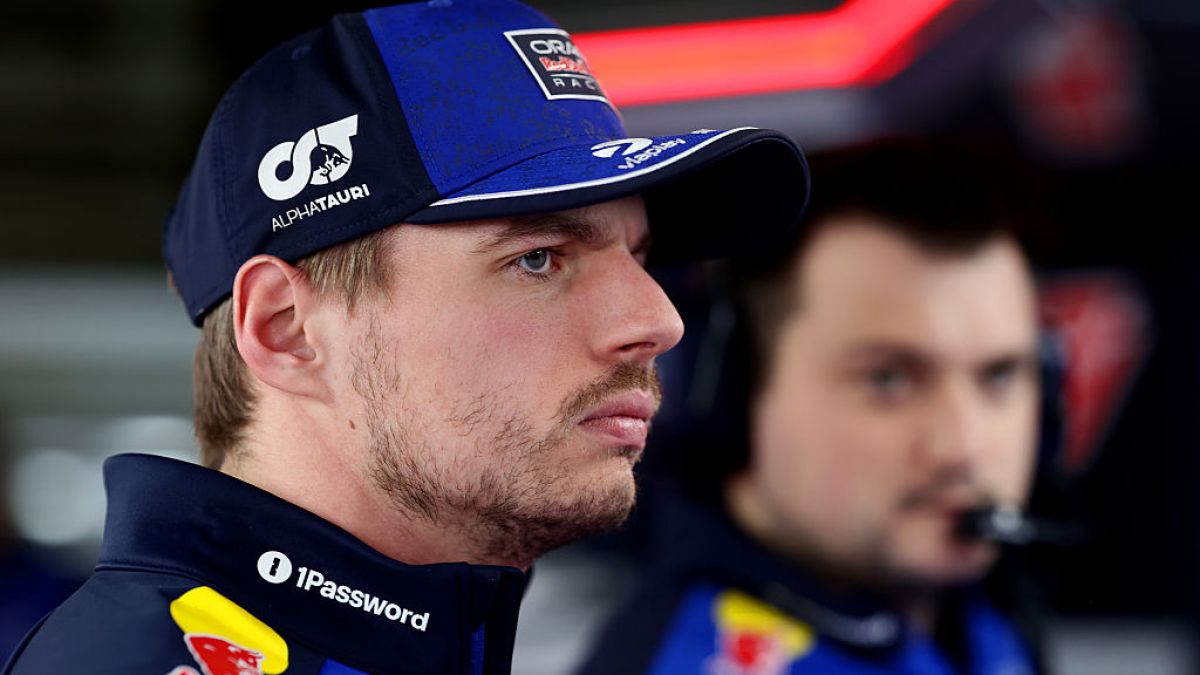

Max Verstappen’s persistent struggles with Red Bull’s technical performance at Suzuka underscore the critical interplay between innovation capital allocation and competitive endurance in high-stakes sectors. While Formula 1’s regulatory shifts—particularly the mandated 50-50 hybrid-to-conventional power ratio—highlight systemic challenges in automotive engineering, they also reflect broader business imperatives for MENA’s technology and investment landscapes. Sovereign funds and corporate entities across the region would be wise to observe these dynamics, as the racing industry’s reliance on iterative R&D and agile capital deployment mirrors the priorities of MENA’s evolving tech ecosystems. The ability to redirect capital toward cutting-edge infrastructure and talent development remains a strategic imperative, particularly as global competitors leverage such investments to maintain dominance.
Red Bull’s current predicament raises questions about the sustainability of capital-intensive ventures in volatile markets. For MENA’s sovereign investors, this serves as a cautionary tale: overreliance on legacy systems—whether in energy, manufacturing, or finance—risks obsolescence in an era defined by rapid technological disruption. Conversely, Mercedes’ dominance at Suzuka exemplifies the rewards of disciplined innovation investment, with Kimi Antonelli’s rise symbolizing the long-term value of fostering local talent through structured capital programs. This alignment of public and private capital flows could inform MENA’s approach to sovereign-backed venture capital, particularly in sectors like renewable energy storage and advanced materials, where hybrid systems are reshaping global competitiveness.
Venture capital’s role in stabilizing Red Bull’s technical challenges mirrors its potential to anchor MENA’s startup ecosystems. The region’s venture capital firms, increasingly active in deep-tech and mobility startups, must emulate F1’s model of cross-border collaboration and risk-tolerant investment. Just as Mercedes and McLaren share IP and insights to optimize performance, MENA’s tech ventures could benefit from regional knowledge-sharing frameworks, reducing redundancy in R&D and accelerating scale. Furthermore, the race-to-innovate ethos seen in Suzuka’s grid underscores the need for MENA’s venture capital to prioritize high-conviction bets on transformative technologies, ensuring the region avoids being relegated to a secondary role in global supply chains.
Regional infrastructure development remains central to capitalizing on these opportunities. F1’s logistical demands—from Suzuka’s precision-engineered circuits to its reliance on hyper-efficient data systems—demonstrate how infrastructure underpins operational resilience in dynamic markets. For MENA, investments in next-generation digital infrastructure, smart cities, and energy grids should be viewed through the same lens of strategic agility. While Formula 1’s spectacle captures headlines, its true economic impact lies in the cascading effects on adjacent industries, from advanced manufacturing to talent migration. By aligning sovereign and private capital around infrastructure that supports innovation density, MENA can position itself as a nexus for technological and economic transformation in the decade ahead.