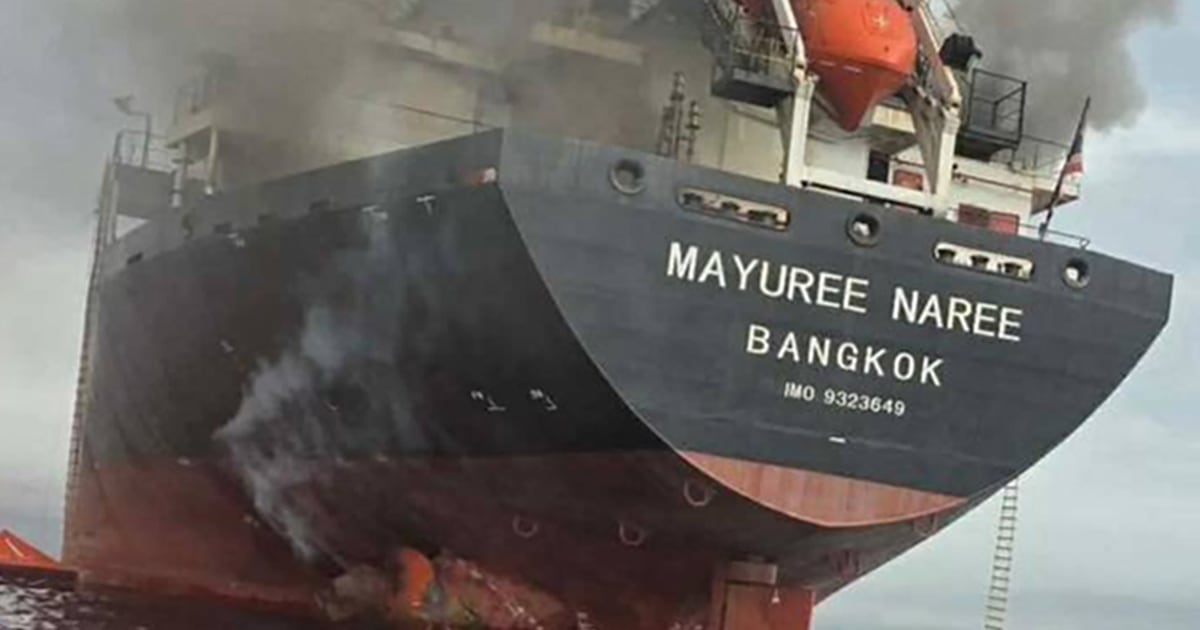

Thailand’s agreement withIran to permit Thai oil tanker transit through the Strait of Hormuz represents a significant geopolitical pivot, highlighting the strait’s enduring strategic chokepoint status and its cascading effects on global energy markets and regional stability. This concession, marking Thailand as the latest nation to secure explicit safe passage from Tehran amidst the Islamic Republic’s ongoing military posturing, directly confronts the severe disruption inflicted by Iran’s de facto blockade. With a fifth of global crude shipments transiting this narrow maritime corridor, the persistent closure under threat of missile and drone strikes has precipitated a profound energy crisis, disproportionately impacting net energy importers across Asia and forcing emergency measures from nations like the Philippines. The strategic leverage Iran wields over this critical energy artery underscores the vulnerability of maritime trade routes and the high-stakes diplomacy required to maintain flow.
For the Middle East and North Africa (MENA) region, the Hormuz disruption magnifies existing energy security vulnerabilities, accelerating sovereign and private capital mobilization towards diversification and resilience. MENA states, as major energy producers and consumers, face twin pressures: safeguarding existing export revenues while securing reliable, alternative supply sources for domestic markets. This scenario intensifies the imperative for sovereign wealth funds and national oil companies to invest aggressively in non-oil sectors, including renewable energy infrastructure and downstream industries, as exemplified by Saudi Arabia’s NEOM project and UAE’s sustainability initiatives. Simultaneously, the crisis fuels venture capital flows into energy transition technologies, grid modernization, and regional energy trading platforms, seeking to mitigate future geopolitical supply shocks and capitalize on shifting energy paradigms. The focus is squarely on building resilient, diversified energy ecosystems less dependent on volatile chokepoints.
The regional infrastructure implications are profound, driving a strategic realignment towards enhancing alternative export corridors and domestic energy networks. Nations are prioritizing the expansion and security of pipelines, such as the EastMed project for Israel-Egypt-Greece interconnections, and significant investments in liquefied natural gas (LNG) terminals across the region. Concurrently, MENA nations are accelerating the development of robust electricity grids capable of integrating renewable sources and supporting burgeoning demand for electric vehicles, necessitating substantial sovereign and institutional investment. This infrastructure transformation is not merely reactive; it is proactively reshaping regional trade dynamics, fostering greater energy cooperation, and positioning MENA as a potential hub within a more diversified and resilient global energy network, all while navigating the complex geopolitical environment surrounding the Strait of Hormuz.