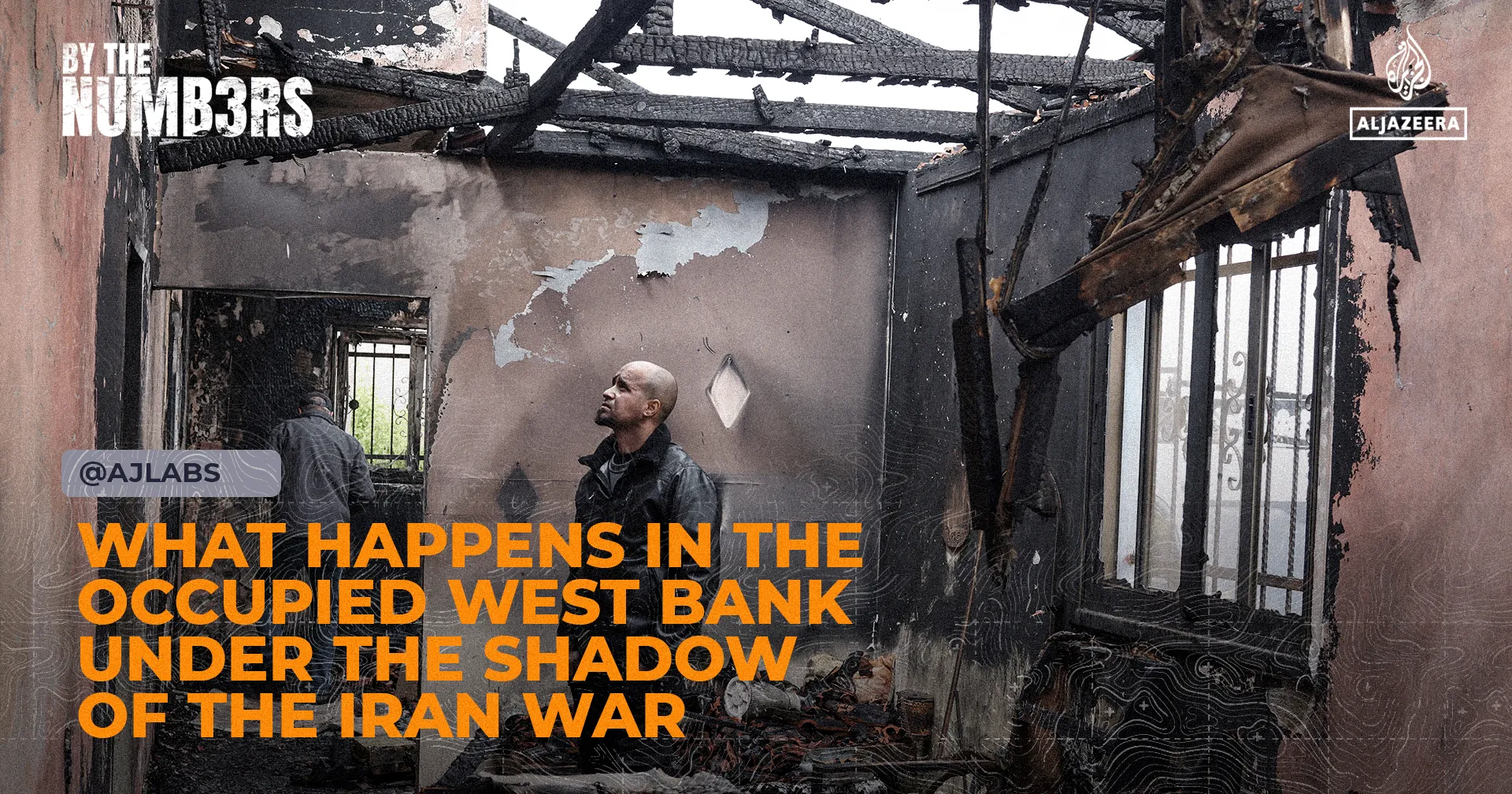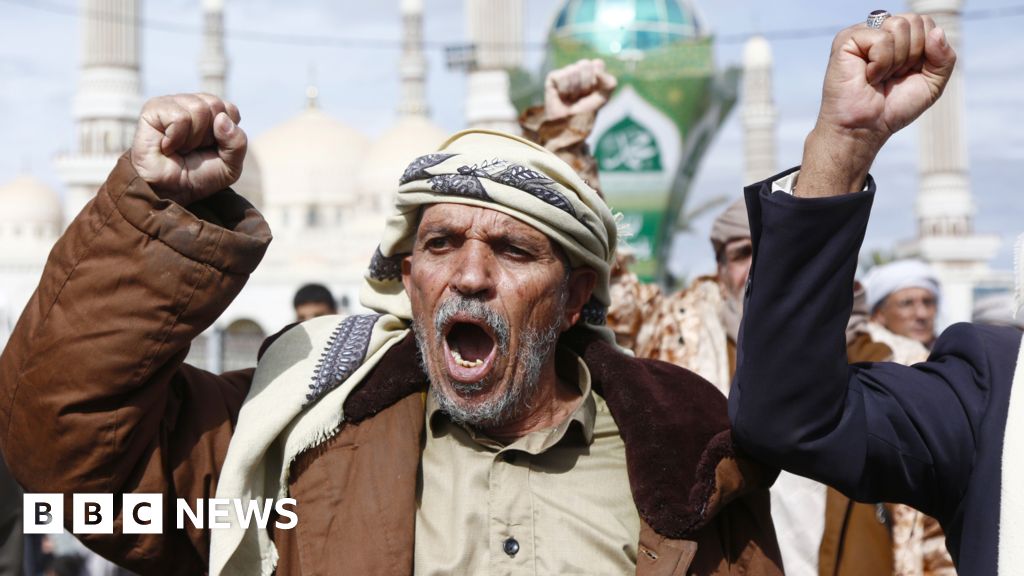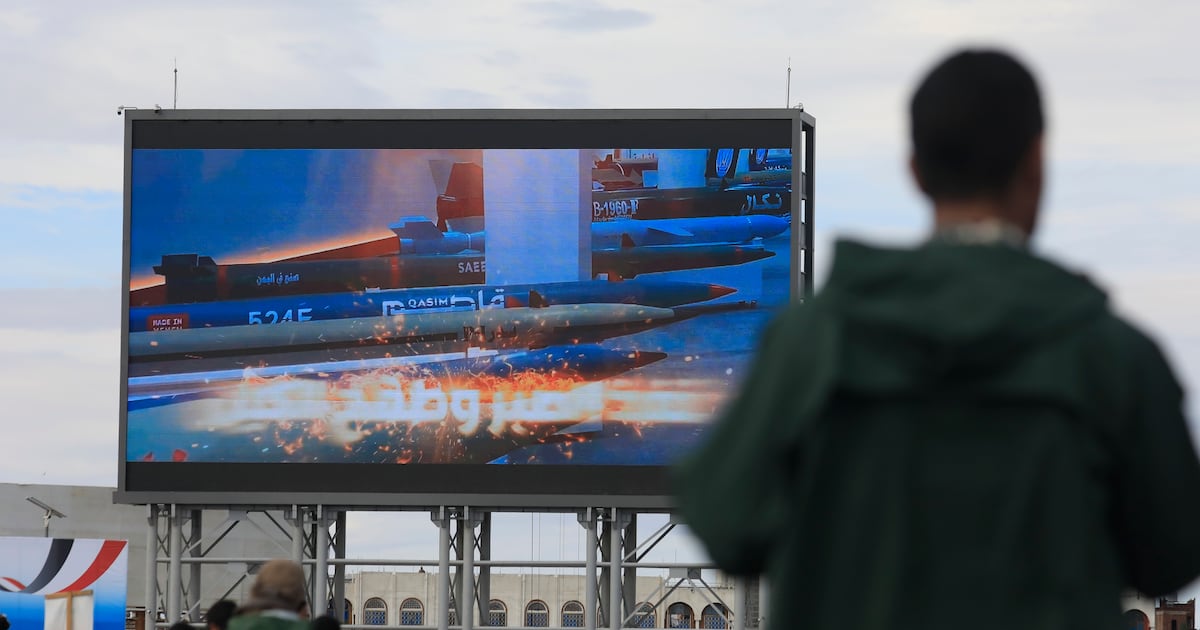

The escalating conflict in the Middle East, particularly the recent attack on a family in Iran and damage to a water facility in Khuzestan, casts a significant shadow over the region’s economic trajectory. While immediate geopolitical ramifications are palpable, the long-term business impact will be deeply felt across sovereign wealth, venture capital deployment, and crucial infrastructure development. The current volatility underscores the inherent risks associated with regional investments, potentially leading to a recalibration of capital allocation strategies.
Sovereign wealth funds (SWFs) operating in the MENA region are likely to exercise increased caution in their investment decisions. The heightened geopolitical uncertainty may prompt a shift towards more defensive asset classes and a prioritization of domestic economic diversification initiatives. Simultaneously, the disruption to supply chains and energy markets – a direct consequence of regional instability – poses a threat to export-oriented economies. Venture capital activity, while demonstrating resilience in certain sectors, could face headwinds as investor sentiment cools and funding becomes more selective, favoring established businesses with strong regional footprints and demonstrable resilience to geopolitical shocks.
The future of regional infrastructure development hinges on de-escalation and renewed confidence. Planned projects, particularly in energy transition and digital infrastructure, may experience delays or funding adjustments. However, the need for robust infrastructure to support future economic growth remains critical. Governments will need to prioritize projects that enhance regional connectivity, improve resilience to external pressures, and foster sustainable development. This will require close collaboration between public and private sectors, potentially creating new investment opportunities focused on security and resilience technologies as well.
Ultimately, the current crisis serves as a stark reminder of the interconnectedness of regional stability and economic prosperity. While the immediate business impact may be negative, the long-term response will define the future economic landscape of the Middle East and North Africa. The ability of regional actors to navigate this volatile environment, foster dialogue, and prioritize sustainable development will be key to attracting future investment and realizing the region’s significant economic potential. A focus on strengthening domestic capabilities and diversifying economic sources will be paramount in mitigating future risks and ensuring long-term growth.