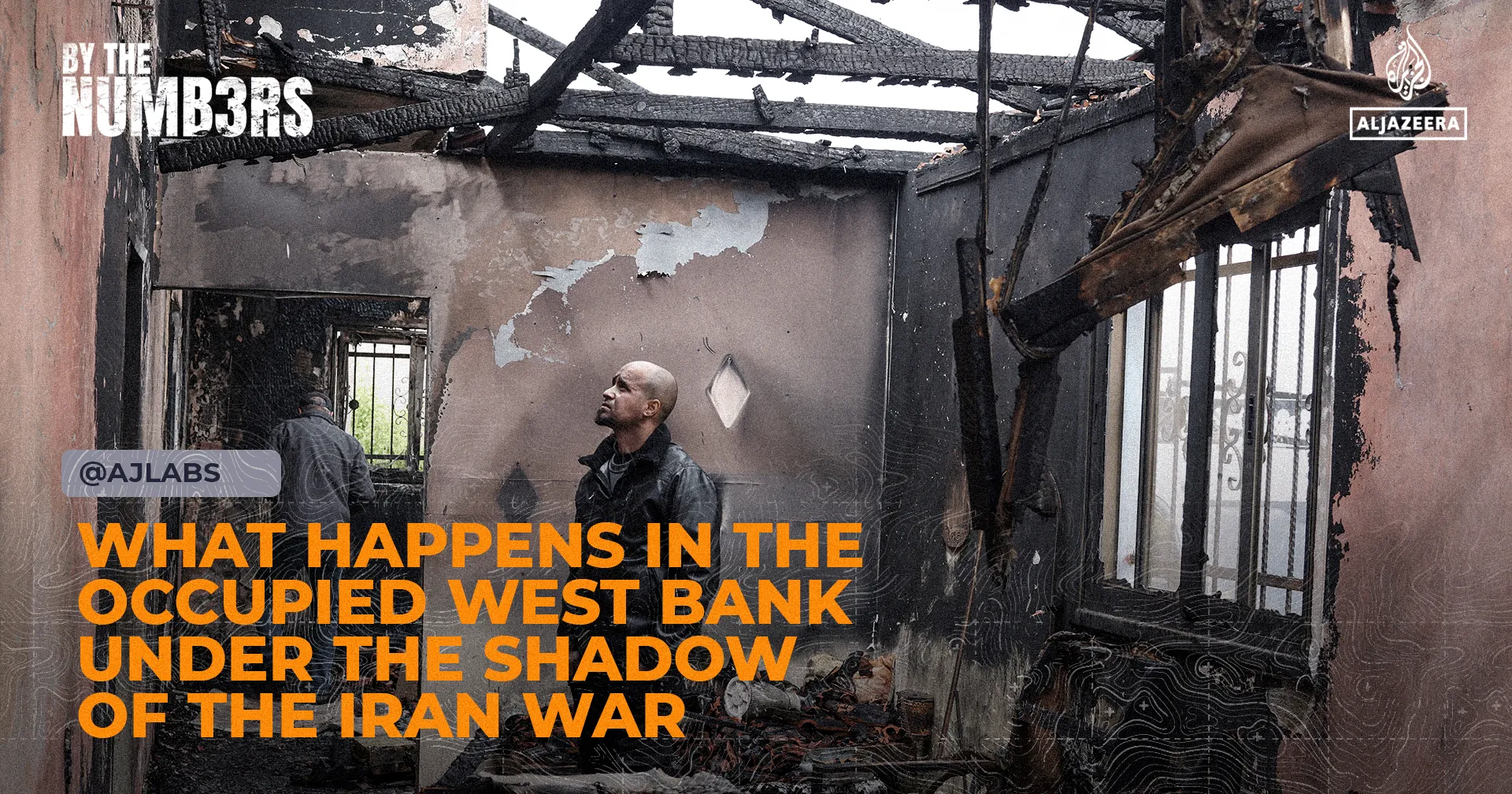

The escalating conflict between Israel and Iran, now extending to include the Houthis in Yemen, represents a profoundly destabilizing development with significant ramifications for the Middle East and North Africa. The Houthis’ declaration of hostilities against Israel, following a month of US and Israeli strikes against Iranian assets, introduces a new, unpredictable dimension to the regional security landscape, potentially disrupting vital trade routes and exacerbating existing tensions.
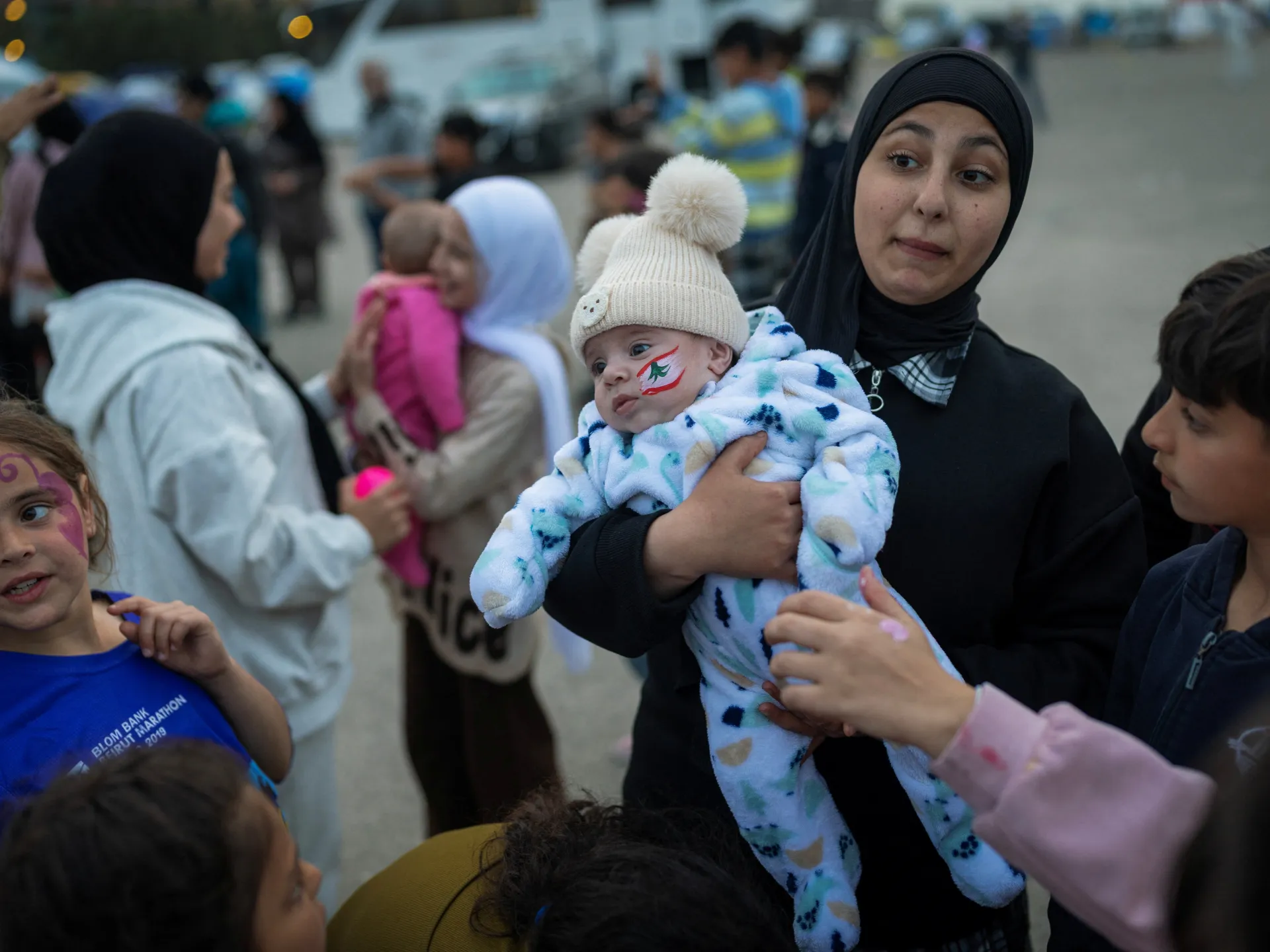
The immediate business impact is considerable. The threat of renewed disruption to Red Sea shipping, particularly through the Bab al-Mandeb Strait, carries the potential to inflict an estimated $1 trillion annual loss on global trade. Sovereign capital flows are already exhibiting caution, with increased allocations towards defensive assets and alternative trade routes. Venture capital investment, traditionally a driver of regional growth, is likely to be curtailed as investors prioritize risk mitigation. Furthermore, the conflict is placing immense strain on already fragile infrastructure across the region, particularly in Lebanon and Yemen, where civilian populations are bearing the brunt of the violence and humanitarian needs are rapidly escalating.
Sovereign wealth funds and regional governments are facing a critical juncture. Saudi Arabia and the UAE, traditionally reliant on US security guarantees, are now compelled to reassess their strategic alignments. Iran, meanwhile, is leveraging the crisis to assert its regional influence, utilizing the Houthis as a proxy to challenge US hegemony. Pakistan’s role as a diplomatic intermediary underscores the broader attempt to de-escalate the situation, though the success of these efforts remains uncertain. The potential for wider regional involvement – including Turkey and Egypt – adds further complexity to the geopolitical calculations.
Looking ahead, the conflict’s long-term implications extend beyond immediate economic disruption. The potential for a protracted stalemate, coupled with the ongoing devastation in Lebanon and the humanitarian crisis in Yemen, risks deepening existing fault lines and fueling further instability. The US’s evolving strategy, contingent on the upcoming midterm elections, introduces an element of uncertainty that could further complicate the situation. Ultimately, a sustainable resolution will require a concerted diplomatic effort, alongside a commitment to addressing the underlying geopolitical grievances that underpin the conflict, a task that appears increasingly challenging in the current environment.