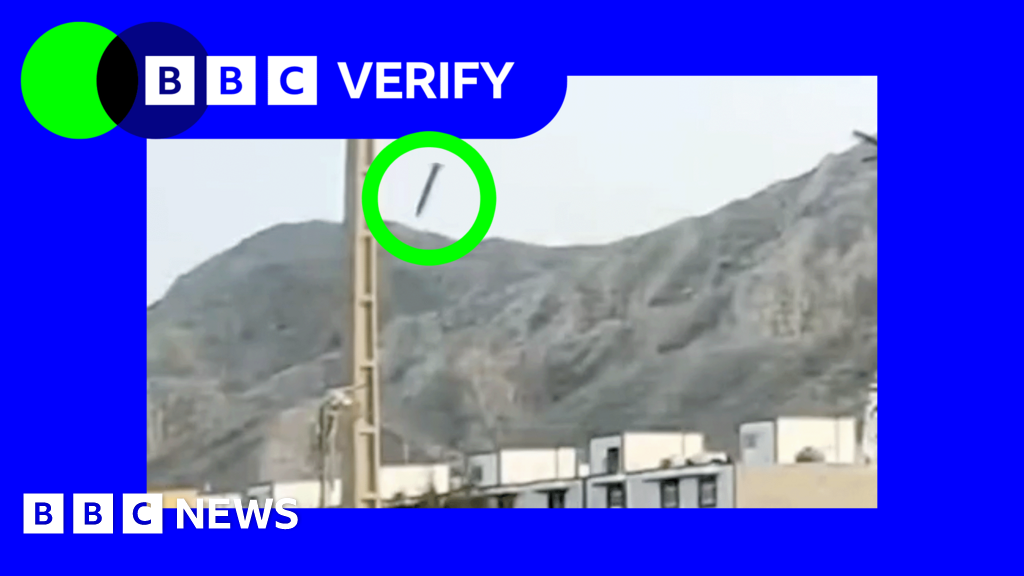

The confirmed presence of a U.S.-origin Precision Strike Missile (PrSM) in the vicinity of Lamerd, Iran, as identified by conflict analysts, transcends a mere military tactical event. It signifies a deliberate and calibrated escalation in the Gulf’s security architecture, with direct and material consequences for sovereign capital allocation and regional risk calculus. For MENA sovereign wealth funds (SWFs) and strategic investors, this incident underscores the persistent existential risk premium attached to the region, compelling a continued, if not accelerated, diversification away from geopolitically exposed domestic infrastructure projects and toward stable, often Western, asset classes. The immediate implication is a recalibration of portfolio theory for Gulf capital, where the perceived safety of U.S. and European equities, Treasuries, and real estate is reinforced at the expense of higher-return but higher-risk regional ventures.
For the region’s nascent but vibrant venture capital ecosystem, the development introduces a critical variable of tail-risk. While tech investment has historically been framed as a hedge against oil dependency, the specter of localized conflict or broader escalation threatens to dry up limited partner (LP) commitment from both regional family offices and international funds specializing in emerging markets. Investment committees will now mandate more rigorous scenario planning, factoring in supply chain disruption for hardware startups and potential talent drain for software companies. This may lead to a short-term consolidation of VC activity toward more resilient sectors like fintech and SaaS, with a concomitant slowdown in capital-intensive deep-tech or hardware deployments that require physical infrastructure vulnerable to disruption.
The long-term infrastructure trajectory of the Gulf Cooperation Council (GCC) and wider MENA is implicitly challenged by such events. Mega-projects tied to national visions—from Saudi Arabia’s NEOM to the UAE’s industrial zones—are predicated on a stable security environment for their operational viability. The Lamerd incident serves as a stark reminder that security costs, from advanced air defense systems to redundant logistics networks, must be baked into the fundamental economics of these projects. This will exert downward pressure on projected internal rates of return (IRR) and may shift the financing model toward greater reliance on government-backed entities and less on foreign direct investment (FDI) that demands conventional risk-adjusted returns. Consequently, the strategic interplay between sovereign capital and private international finance will become more complex, with the state assuming a larger, more direct role in de-risking the physical backbone of the post-oil economy.