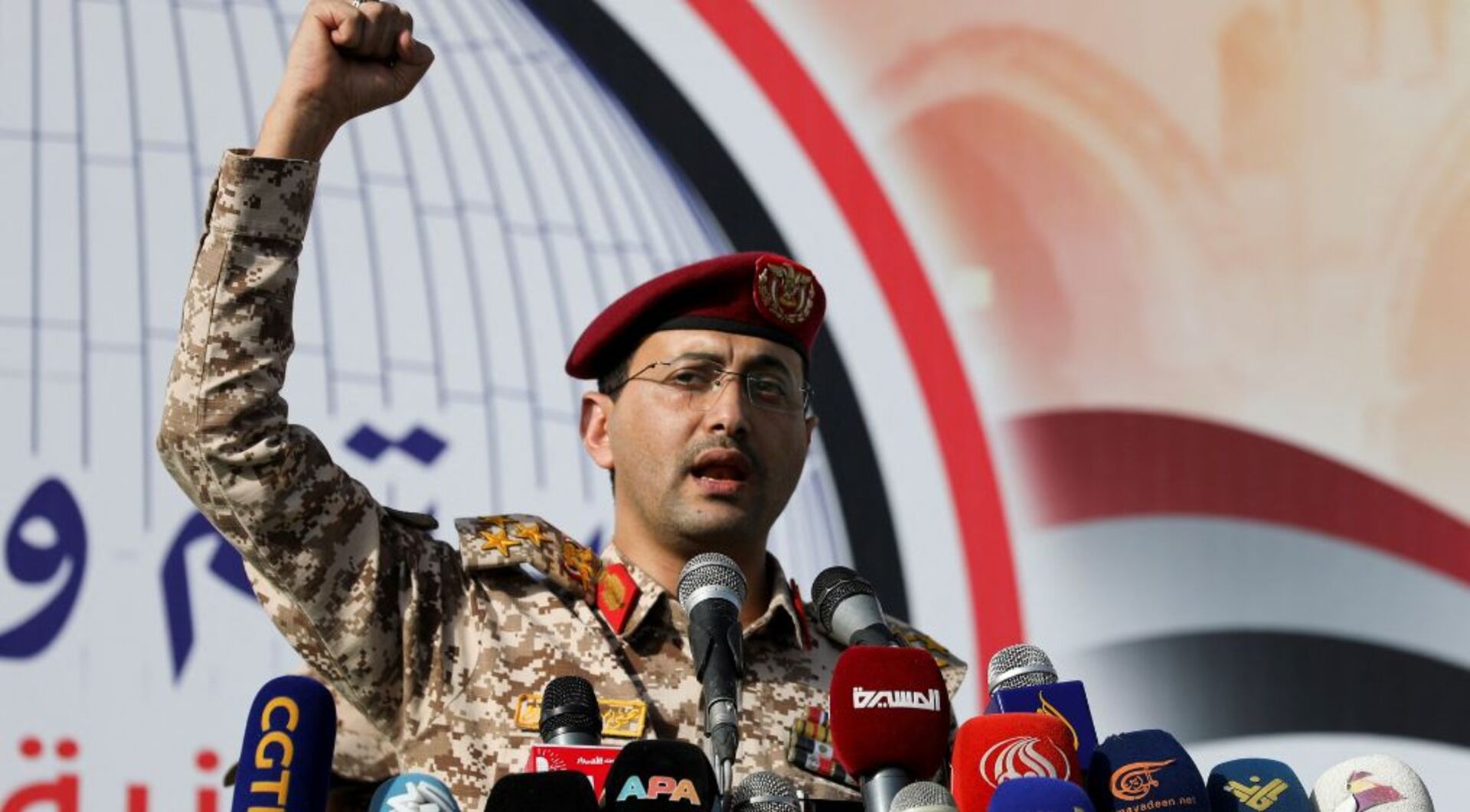

The escalating conflict between Israel and Hezbollah has cast a grim pall over Lebanon’s financial landscape, with regional capital flows poised for significant disruption. As Israeli ground forces advance toward the Litani River and Hezbollah claims dozens of operations against Israeli forces in the past 24 hours, the persistent instability threatens to deter sovereign investment and exacerbate Lebanon’s already fragile economic position. The country’s banking sector, which has struggled with capital controls and liquidity constraints since the 2019 financial crisis, now faces heightened uncertainty as cross-border financial activities are curtailed and investor confidence wanes.
The human toll, quantified by Lebanon’s Ministry of Health as at least 1,238 dead and more than 3,500 wounded since intensified hostilities began in early March, underscores the dire socioeconomic ramifications for the broader Middle East and North Africa (MENA) region. Economic corridors that typically facilitate trade and investment across Lebanon, Syria, and Israel are effectively paralyzed, creating ripple effects that threaten regional supply chains and deter venture capital inflows. Technology hubs in Beirut, which had shown promise in fintech and digital services, face retrenchment as startups grapple with operational disruptions and the exodus of skilled professionals seeking stability elsewhere.
The current conflict intersects with a delicate geopolitical recalibration across the Gulf, where sovereign wealth funds have been diversifying portfolios beyond hydrocarbons. Major financial centers like Abu Dhabi and Riyadh, which have positioned themselves as alternative investment destinations for MENA entrepreneurs and technology firms fleeing instability, may see accelerated capital flows as Lebanon’s economic prospects dim. However, the broader regional impact remains contingent upon de-escalation, as persistent conflict could trigger contagion effects through interconnected financial markets, particularly affecting countries with exposure to Lebanese sovereign debt or remittances from the diaspora.
Infrastructure development initiatives across the Levant, already hampered by political uncertainty, now confront renewed challenges as reconstruction timelines extend indefinitely amidst ongoing hostilities. Regional investors, particularly from the Gulf Cooperation Council states, have historically viewed Lebanon as a strategic foothold for engaging the Levant market, but the current security environment threatens to derail these investment strategies. The conflict’s trajectory will likely determine whether Lebanon’s financial system can weather another period of profound stress or whether the country will accelerate its pivot toward deeper economic fragmentation and isolation from the broader MENA capital ecosystem.