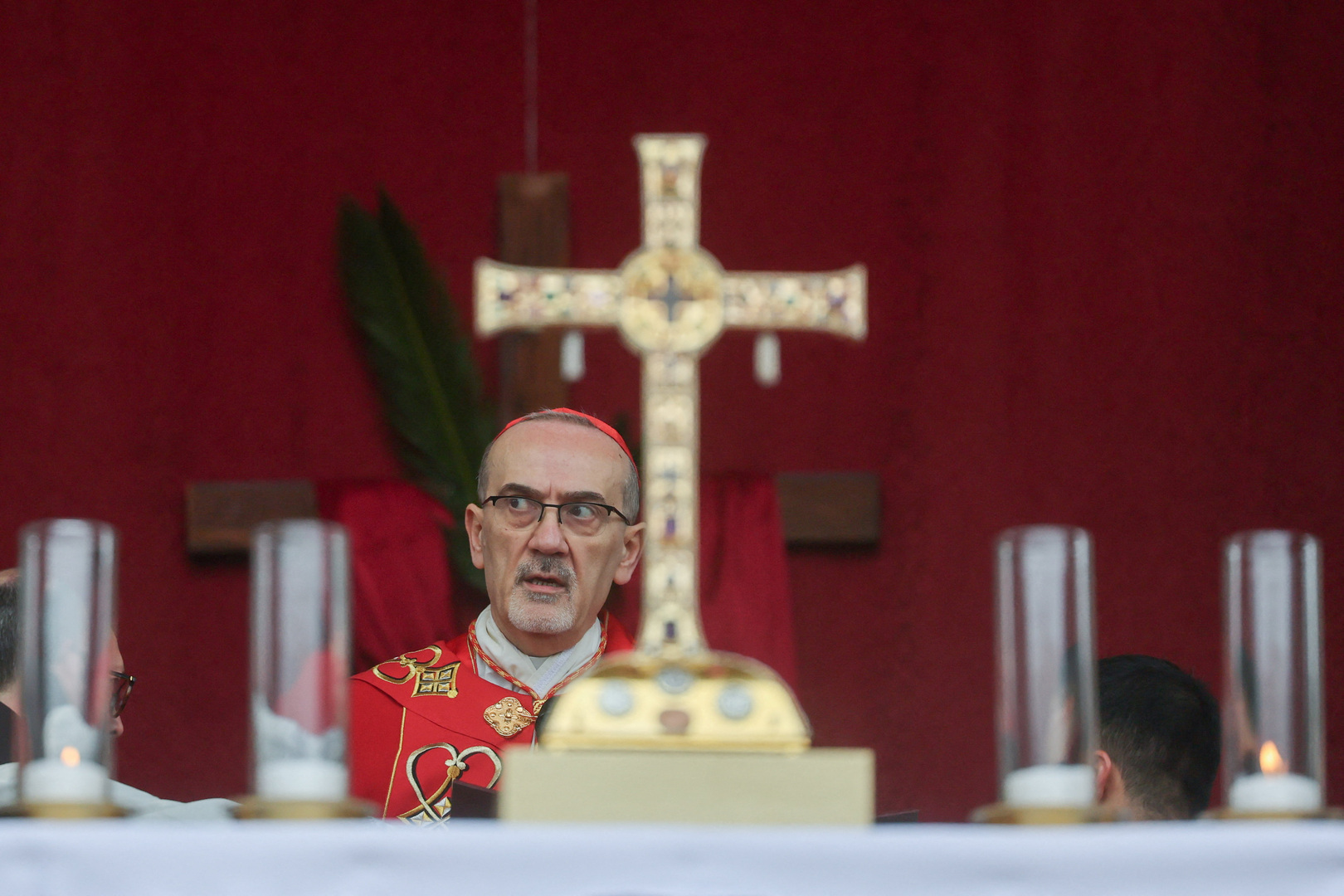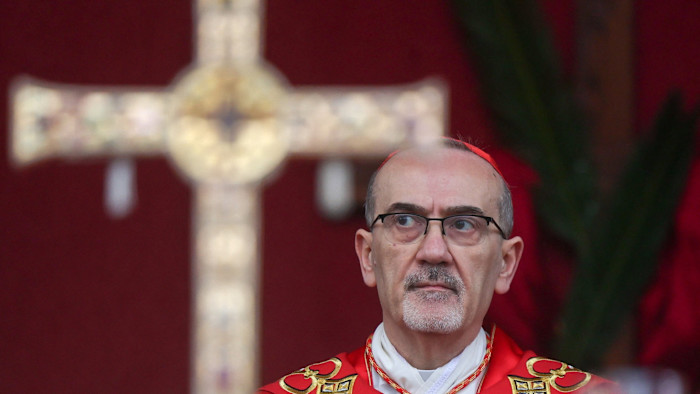

The recent restriction of access to the Church of the Holy Sepulchre for senior Christian clergy, framed by Israeli authorities as a security measure following Iranian missile strikes, represents a material escalation in operational risk for assets and investments tied to Jerusalem. This incident directly threatens the stability premium that has underpinned foreign direct investment in Israel’s tourism, real estate, and cultural heritage sectors. For sovereign wealth funds and institutional investors from the Gulf Cooperation Council and Europe, who have increasingly allocated capital to Jerusalem-based projects under the premise of regional economic integration, such unilateral security actions introduce an unquantifiable political risk. The immediate impact is a chilling effect on tourism-dependent revenue streams and a reassessment of contingency costs for any physical infrastructure in the Old City, from hospitality venues to mixed-use developments.
From a venture capital perspective, the Jerusalem technology ecosystem, a critical node in Israel’s “Startup Nation” narrative attracting significant MENA and global LP capital, faces a reputational spillover. While the tech hubs are primarily based in Tel Aviv and Haifa, the branding of Israel as a stable environment for long-term innovation is intrinsically linked to its management of shared heritage sites. Heightened tensions over the Status Quo arrangements signal a deterioration in the social contract necessary for sustained foreign talent flows and cross-border partnerships. Regional VCs, particularly those based in the UAE and Saudi Arabia pursuing a policy of technological diversification, will now face intensified scrutiny from their own government stakeholders regarding the geopolitical due diligence of Israeli exposure within their portfolios. This incident underscores the fragility of the “Abraham Accords” economic corridor, where capital deployment remains heavily contingent on a tangible de-escalation in Jerusalem’s flashpoints.
The broader infrastructure implications for the Middle East are profound. Major multilateral initiatives, such as the Red Sea-Dead Sea water conduit and various transportation corridors championed by the Gulf states, rely on a stable Jordan-Israel-Palestine nexus. Jerusalem’s stability is the ultimate litmus test for the feasibility of these projects. The politicization of holy site access erodes the foundational trust required for such transnational infrastructure, potentially redirecting sovereign capital towards less contentious, albeit less transformative, domestic projects within GCC nations. Furthermore, the incident will recalibrate the risk models of multilateral development banks and export credit agencies considering financing for regional connectivity projects, likely demanding higher political risk insurance premiums or stricter operational covenants related to site security and access guarantees.
In essence, this episode transcends a diplomatic spat; it is a recalibration of the risk-reward matrix for all capital with a regional footprint. Sovereign wealth funds, from Abu Dhabi to Doha, are conducting immediate scenario analyses on their Jerusalem-adjacent holdings and potential pipeline deals. Venture capitalists are reevaluating co-investment terms with Israeli counterparts, inserting new force majeure clauses related to religious site closures. The “economic peace” paradigm, which has cautiously attracted premium valuation multiples for regionally integrated businesses, now carries a clear and present discount for Jerusalem-specific volatility. The market will now price in a persistent, higher volatility factor for any MENA investment thesis that implicitly or explicitly depends on the smooth functioning of the city’s contested sacred geography.