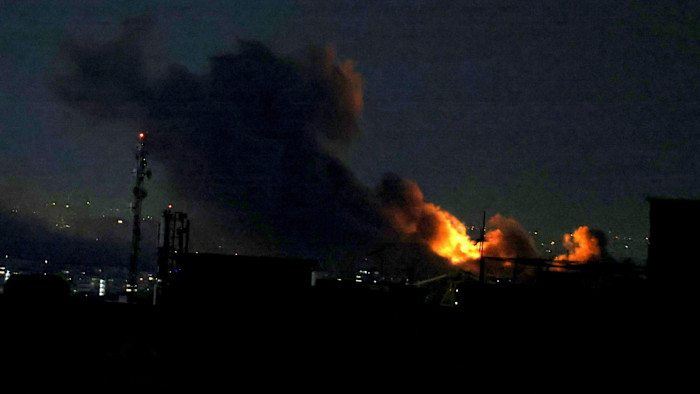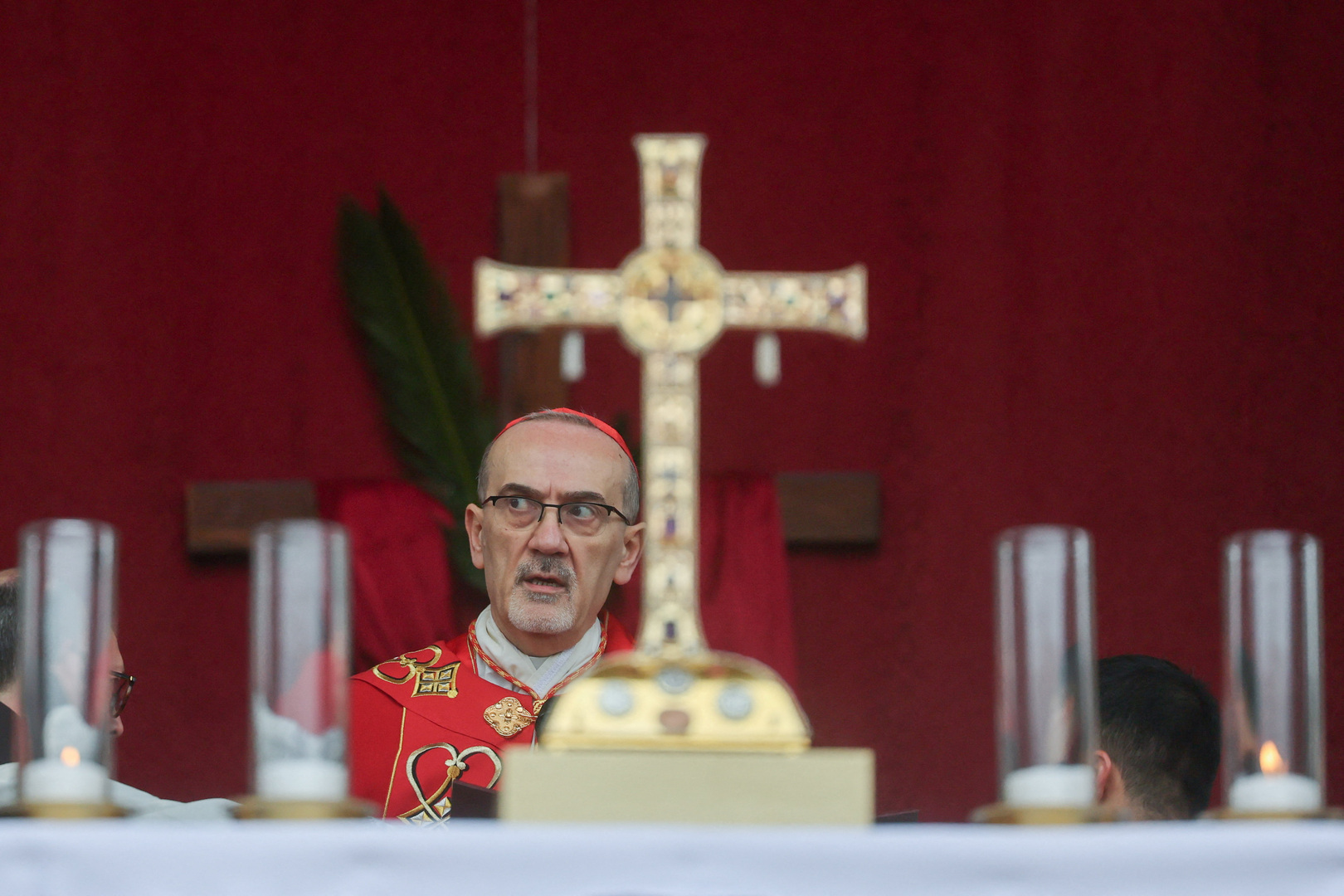

The recent blocking of the Latin Patriarch from the Church of the Holy Sepulchre and the constrained observance of Holy Week in Gaza underscore a deepening security environment that is already reverberating through the MENA economic landscape. Tourism‑dependent sectors—hospitality, retail, and cultural services—are experiencing immediate revenue pressure, with early indicators showing a double‑digit decline in visitor arrivals to Jerusalem and a contraction in cross‑border pilgrim spending. Such disruptions feed directly into the balance‑sheet stress of sovereign‑linked assets, particularly those held by Gulf‑based wealth managers who have sizable exposure to Israeli real‑estate, leisure, and infrastructure ventures.
Venture capital and private‑equity actors are recalibrating risk premia across the Levant, favoring assets that demonstrate resilience to geopolitical volatility. Capital is flowing toward defensive technologies—cybersecurity platforms, supply‑chain logistics solutions, and health‑tech services that can operate under intermittent connectivity or restricted movement. Simultaneously, infrastructure financiers are scrutinizing opportunities in renewable‑energy microgrids, water‑treatment facilities, and digital‑identity systems that could underpin longer‑term stability and attract sovereign‑backed funding streams once the security outlook improves.
From a sovereign‑capital perspective, the episode is prompting a strategic reassessment among MENA wealth funds. Allocation committees are increasing the weight of hedging instruments and short‑duration, high‑quality sovereign bonds while earmarking capital for targeted reconstruction and development bonds linked to multilateral frameworks. The emphasis is on creating diversified, infrastructure‑oriented portfolios that can both mitigate short‑term shocks and position funds to capture upside from any eventual post‑conflict rebuilding cycle, thereby aligning financial stewardship with the broader objective of regional resilience.