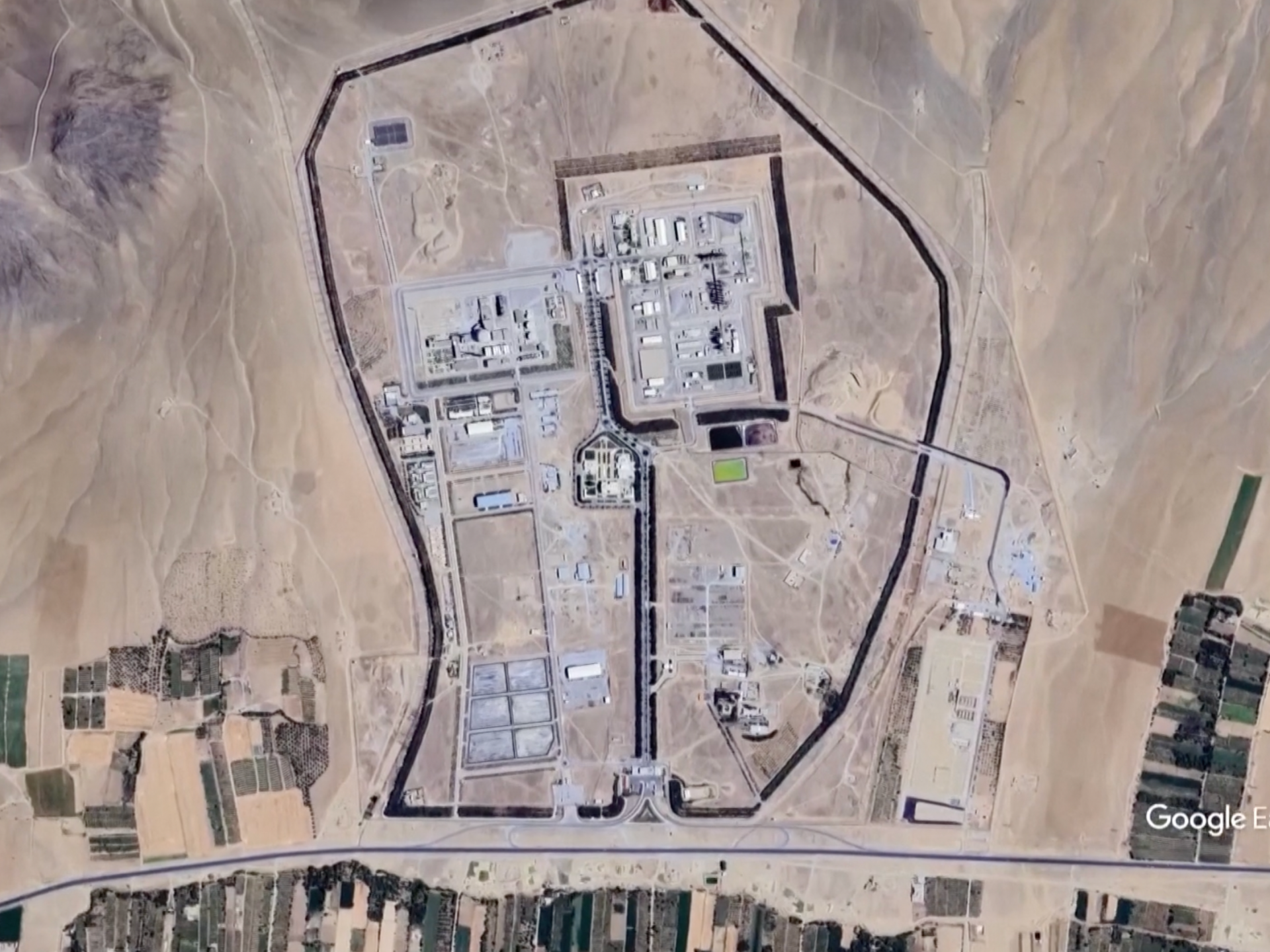

The recent revelation from the UN’s nuclear oversight body regarding Iran’s Khondab heavy water facility underscores a material disruption within the regional energy and finance architecture. Having meticulously tracked Iran’s broader commitments to non-proliferation protocols since 2015, this incident not only reaffirms ongoing instability in sovereign nuclear initiatives but also reverberates across the investor psychology of MENA-market investors. The destruction of infrastructure—ironically linked to a contested military operation—signals that technical execution is as perilous as strategic planning in the context of concentrated regional and global scrutiny.
This development carries profound implications beyond the bilateral tensions between Iran and Israel. For the sovereign capital markets across the Gulf, the suspension of expected government procurements—coupled with heightened geopolitical volatility, has amplified risk aversion among institutional investors. The resultant volatility in the regional bond yields reflects a recalibration by sovereign wealth funds, recalibrating exposure to high-risk assets and prioritizing hedging instruments. Furthermore, the failure to produce operational electricity at these critical junctures casts a long shadow over the planned expansion of clean energy megaprojects, as the region’s strategic pivot toward renewables is increasingly dependent on stable fuel supply chains.
From a venture capital perspective, this escalation disrupts the momentum of nascent startups and high-growth firms in fintech, renewables, and digital infrastructure. The ripple effect is evident in the recalibration of foreign direct investment flows, a trend that has begun to reshape capital allocation patterns across MENA countries. Regional infrastructure projects—from the UAE’s smart city ambitions to Saudi Arabia’s NEOM—are now subject to a more cautious financial posture, emphasizing security over speed. The evolving sovereign capital discourse, therefore, is not merely reactive but indicative of a broader realignment, as the region grapples with balancing technological ambition against the imperatives of stability and security. In this crucible, only forward resilience will determine whether MENA can emerge as a beacon of innovation or remain ensnared by its twin burdens of governance and geopolitics.