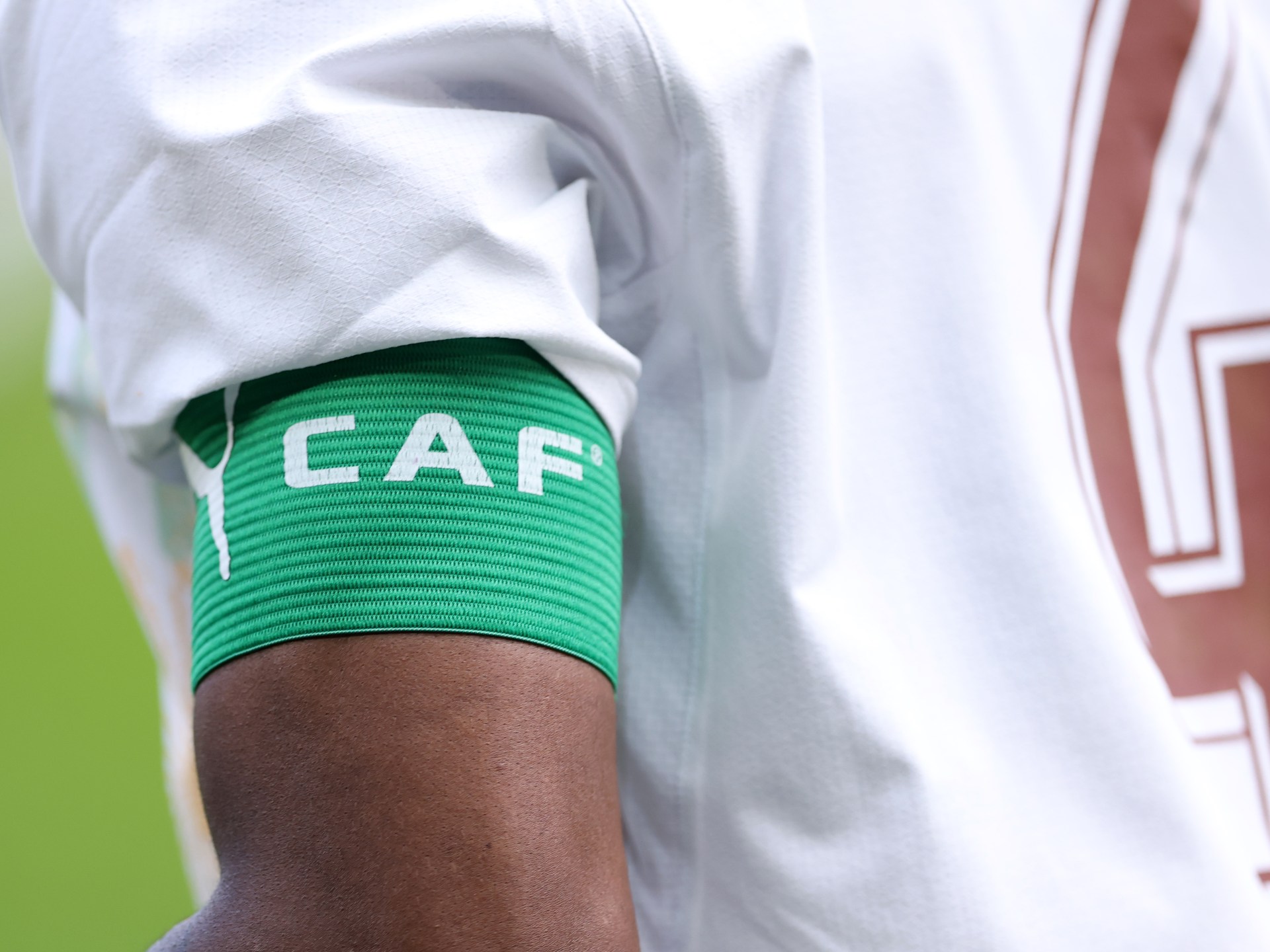

The recent resignation of Veron Mosengo-Omba, Confederation of African Football’s (CAF) Secretary General, following the controversial stripping of Senegal’s Africa Cup of Nations (AFCON) title, underscores a deepening crisis of governance and institutional integrity within the organization. This event, occurring amidst sustained criticism of CAF’s leadership and allegations of corruption, carries significant ramifications extending far beyond the immediate football landscape and impacting the broader economic and investment climate across the MENA region. The immediate business impact centers on a further erosion of investor confidence, particularly amongst sovereign wealth funds and private equity firms increasingly active in African sports and entertainment ventures.
The fallout from the AFCON decision is triggering a reassessment of risk profiles for investments in African sporting infrastructure and related sectors. Sovereign capital, currently channeled into stadium development, broadcast rights, and tournament hosting, is facing increased scrutiny. Countries like Saudi Arabia, the UAE, and Qatar, all with substantial investments in African sports initiatives, will be compelled to rigorously examine their due diligence processes and potentially scale back commitments until a demonstrable commitment to transparency and accountability is established within CAF. Venture capital firms specializing in sports tech and digital media within the region will also need to adapt their strategies, prioritizing investments in solutions that bolster governance and combat corruption – a critical shift from purely revenue-generating models.
Furthermore, the instability within CAF has significant implications for regional infrastructure development. The planned expansion of sporting facilities for future continental tournaments, previously a cornerstone of infrastructure investment strategies across North Africa and the Levant, is now subject to considerable uncertainty. The demand for specialized construction materials, logistics, and hospitality services linked to major sporting events – a multi-billion dollar industry – is likely to be dampened. Simultaneously, the call for an international investigation, fueled by the Senegalese government, highlights the need for standardized, internationally recognized governance frameworks within African football organizations, potentially necessitating greater collaboration between regional bodies and international football authorities like FIFA.
Finally, Mosengo-Omba’s impending candidacy for the DRC’s football federation presidency, coupled with speculation surrounding Patrice Motsepe’s potential political ambitions in South Africa, introduces a layer of strategic maneuvering that could further destabilize the regional sporting landscape. The potential for a power struggle at the apex of African football, combined with the ongoing reputational damage, necessitates a proactive approach from regional governments and financial institutions to mitigate risk and ensure a more stable and accountable future for the game on the continent – a future inextricably linked to the economic and political stability of the MENA region itself.