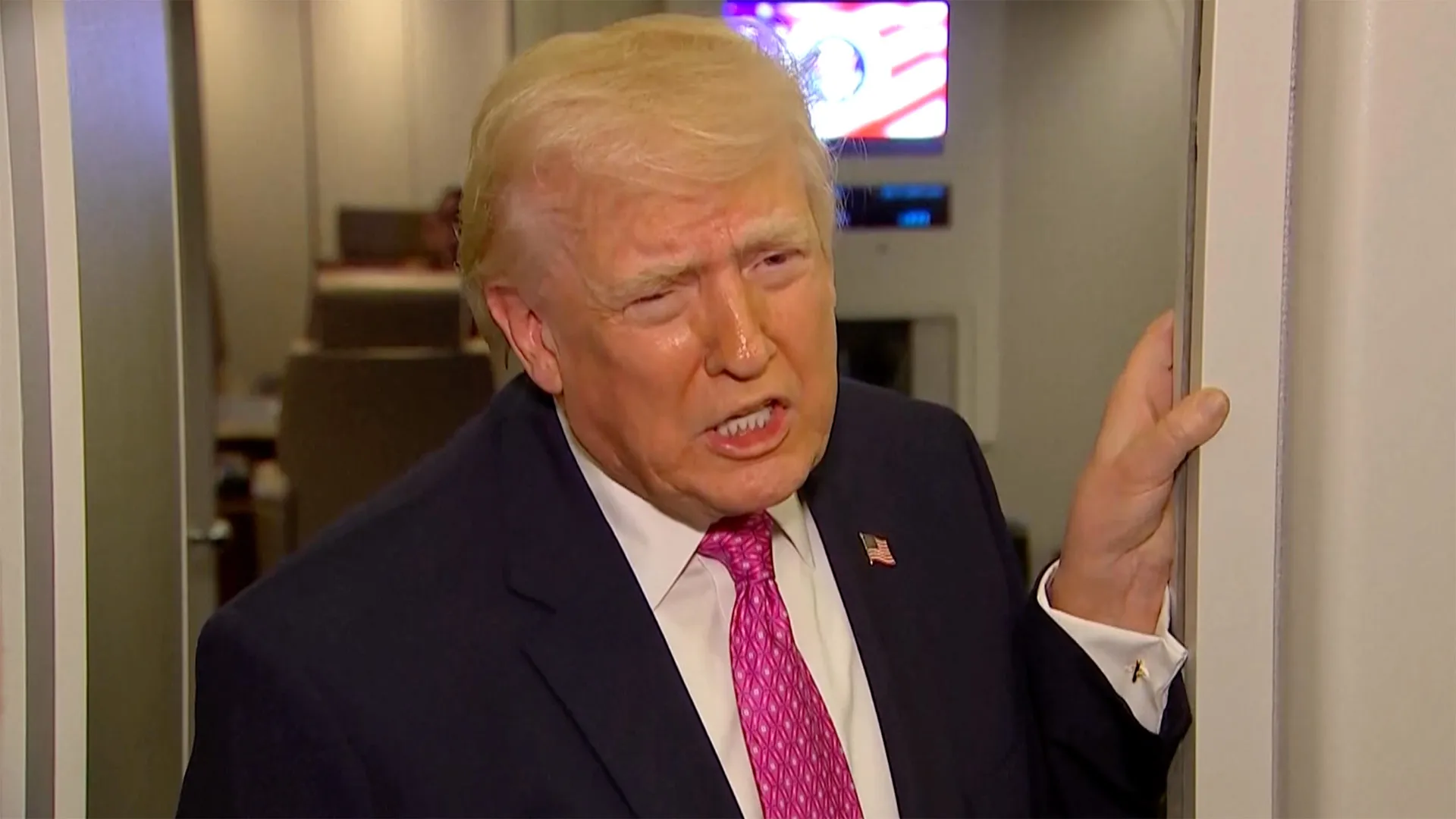

The recent statements by former President Donald Trump, asserting that the United States and Israel have effectively precipitated “regime change” in Iran, underscore a geopolitical shift that is reverberating across the Middle East and North Africa. For the region’s sovereign wealth portfolios, the signal is unambiguous: escalation risks are being priced into sovereign bond yields and foreign exchange forecasts, prompting a swift reassessment of exposure to Iranian-linked assets and a rebalancing toward safer, dollar‑denominated instruments.
Businesses operating in the MENA corridor are confronting heightened uncertainty, particularly in sectors tied to energy, logistics, and cross‑border finance. Multinational corporations are tightening capital allocation, while regional conglomerates are accelerating hedging strategies to mitigate currency volatility and supply‑chain disruptions. This cautious stance is being reflected in Q2 earnings guidance, with many firms projecting lower capex and a pronounced shift toward cost‑efficiency measures.
Venture capital ecosystems in hubs such as Dubai, Riyadh, and Tel Aviv are recalibrating risk appetites. While the broader market sentiment may dampen early‑stage funding, investors are increasingly focusing on deep‑tech and infrastructure‑adjacent ventures that promise resilience against geopolitical turbulence. Fund managers are allocating additional dry‑powder to cybersecurity, AI‑driven risk analytics, and sovereign‑grade digital infrastructure, anticipating a surge in demand for home‑grown technological solutions.
Infrastructure planning is being reframed around strategic autonomy. Governments across the Gulf and North Africa are fast‑tracking projects that reduce reliance on contested corridors, notably expanding inland renewable‑energy nodes, cross‑border fiber‑optic highways, and modular smart‑city pilots. These initiatives are framed not merely as economic development drives but as critical components of national security architectures, compelling sovereign investors to earmark larger capital slices for resilient, defense‑compatible assets that can withstand external shocks.