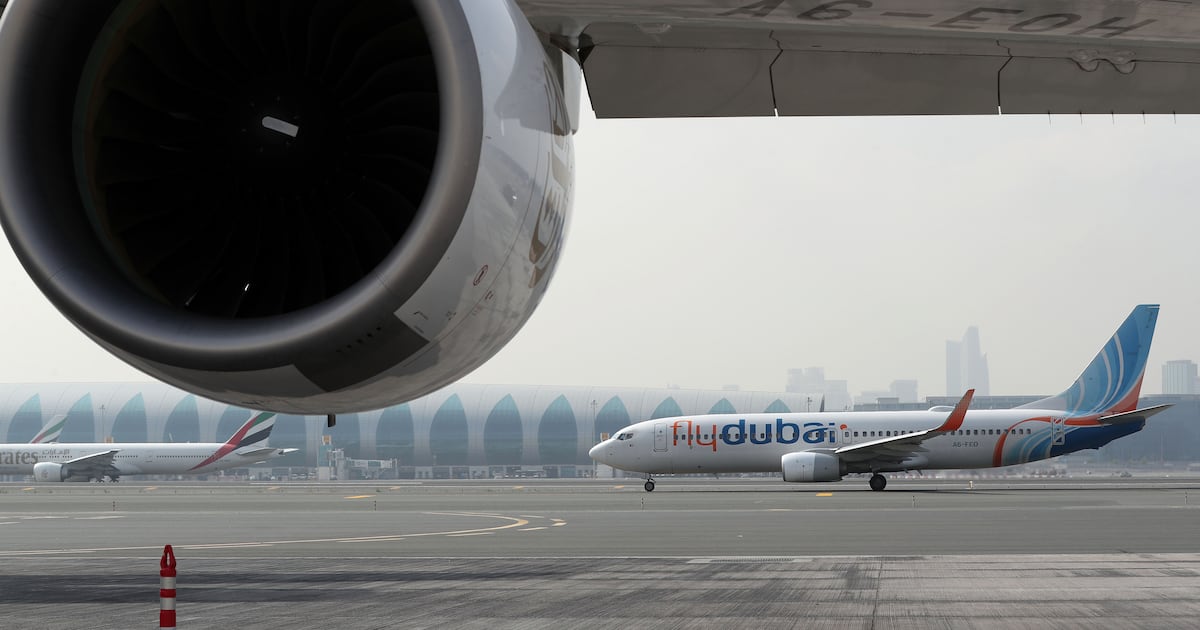

The abrupt suspension of flight operations across the UAE’s primary aviation hubs—Dubai International and Zayed International—represents a direct and severe assault on the Gulf’s core economic model. This model, predicated on global connectivity, trade facilitation, and premium tourism, is now exposed as a critical vulnerability. The immediate cancellation of hundreds of weekly flights by carriers like Emirates, Etihad, and flydubai, alongside international partners, translates into multi-million-dollar daily revenue losses, cargo backlog crises, and a rapid erosion of the region’s reliability as a global transit node. The business impact extends beyond aviation to all sectors dependent on seamless logistics, from high-value manufacturing to financial services, forcing a costly and chaotic re-routing of global supply chains.
Sovereign wealth funds (SWFs), the primary engines of the Gulf’s economic diversification, face a sharp recalibration of their risk calculus. Portfolios heavy on global aviation, logistics, and tourism assets—from airport operators to airline stakes—will see immediate mark-to-market pressures and increased insurance premiums. The conflict underscores the concentration risk within the Gulf’s physical infrastructure, compelling SWFs like Mubadala, ADIA, and the UAE’s Investment Corporation to potentially divert capital from long-term venture deployments toward bolstering domestic resilience and securing strategic assets. This may trigger a temporary but significant pullback in new overseas acquisitions and a repatriation of capital to fund defensive infrastructure hardening and domestic supply chain nationalization.
For the region’s nascent venture capital ecosystem, the escalation introduces a destabilizing exogenous shock. Investor sentiment, particularly from Western limited partners, will likely cool, assigning a higher geopolitical risk premium to MENA tech funds. Startups in hubs like Dubai and Riyadh, built on cross-border talent and market access, face operational headwinds from travel paralysis and potential talent exodus. The conflict may paradoxically accelerate state-directed VC into dual-use technologies—cybersecurity, drone detection, secure communications—as sovereign clients prioritize national security adjacencies. However, consumer-facing and scaling ventures will confront a harsher funding environment and delayed exit paths as global capital flees volatility.
The targeted nature of the infrastructure attacks—on aviation fuel storage near Dubai International—signals a new doctrine of economic warfare aimed at the Gulf’s pressure points. This forces a fundamental rethink of regional infrastructure strategy: just-in-time, single-point logistics models are obsolete. Long-term investment will shift toward redundancy, such as secondary airport capacities, decentralized fuel reserves, and digital twin systems for operational continuity. The immediate coordination between UAE airlines in adjusting schedules and fare policies demonstrates a pragmatic, if reactive, approach to customer retention, but the chronic strain on the region’s brand as a stable, frictionless business hub will require substantial investment and diplomatic capital to repair. The path forward necessitates a costly pivot from pure efficiency to resilient robustness across all sovereign and private infrastructure holdings.