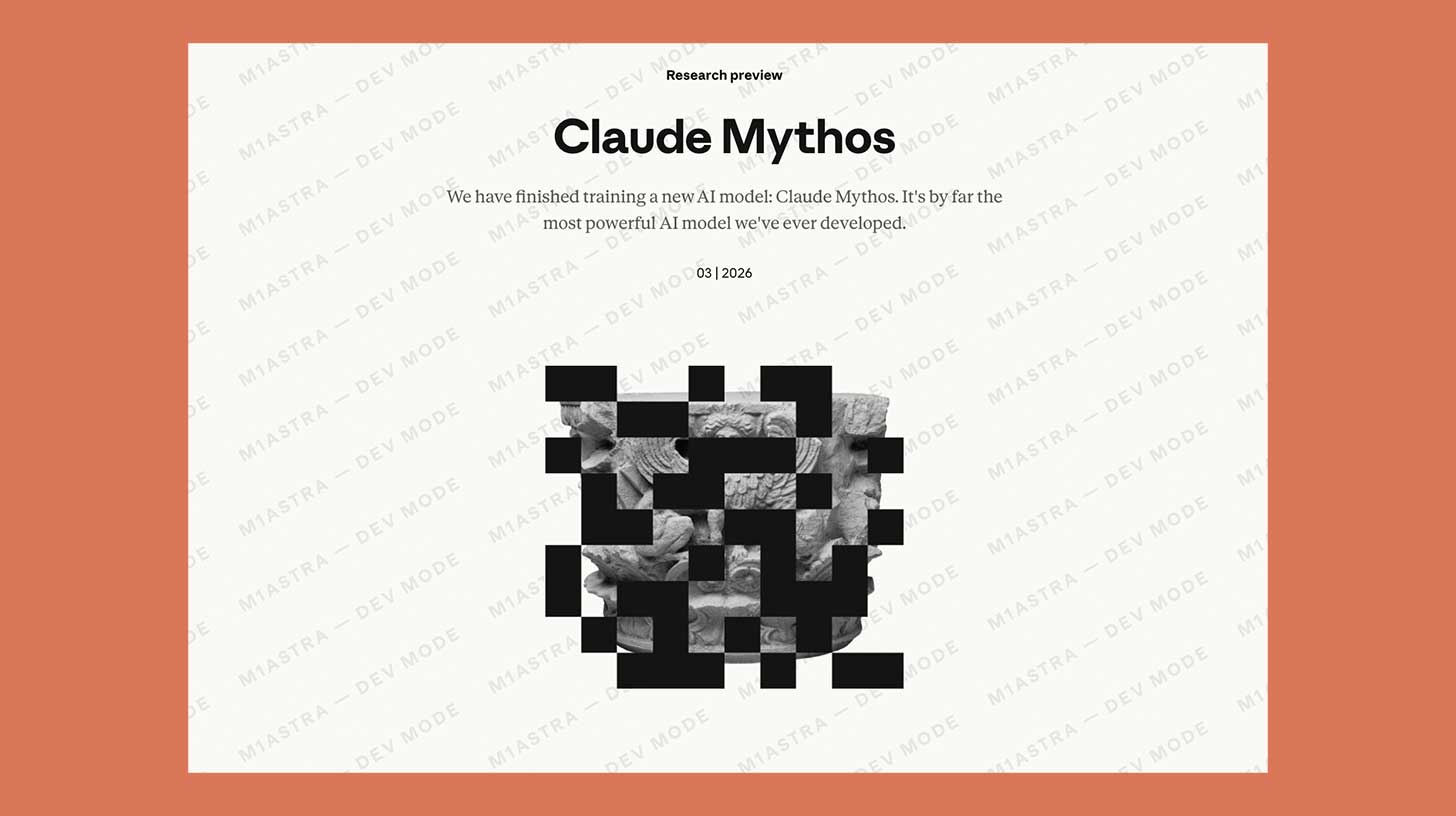

The unintended disclosure of Anthropic’s “Claude Mythos” model—a tier above the Opus family—reveals a breakthrough in cyber‑capacity and reasoning that could shift the global AI hierarchy. The leak, stemming from a CMS misconfiguration, not only confirms the model’s superiority in covert operations but also underscores a growing pattern where frontier AI breakthroughs emerge from accidental exposure rather than controlled rollouts. For the Middle East and North Africa (MENA), this signals a widening capabilities gap that could accelerate regional AI arms races, especially as sovereign wealth funds intensify scrutiny of cutting‑edge systems.
From an investment perspective, the episode fuels a virtuous feedback loop for sovereign capital and venture funds targeting AI‑driven infrastructure. Gulf Cooperation Council (GCC) monarchies and Egypt, already channeling billions into data‑center construction and cloud‑edge ecosystems, now face a heightened premium on secure, sovereign‑controlled compute assets capable of hosting such advanced models. Venture capitalists are poised to back home‑grown AI platforms that can offer localized data sovereignty, low‑latency inference, and tailored compliance with emerging regional AI governance frameworks.
The practical ramifications for regional infrastructure are immediate and substantial. To accommodate models of Mythos‑scale, MENA states must expand high‑density power supplies, advanced cooling systems, and ultra‑low‑latency networking backbones, often in partnership with global technology firms. This demand will catalyze a new wave of public‑private collaborations, integrating sovereign cloud initiatives with multinational semiconductor suppliers and specialized AI service providers, thereby reinforcing the region’s transition from a data consumer to a compute hub.
Strategically, the leak serves as a wake‑up call for policymakers to tighten AI safety protocols and to embed robust risk‑assessment mechanisms within sovereign investment vehicles. By aligning funding mechanisms with measurable security outcomes—such as vetted model provenance and export‑control safeguards—MENA governments can leverage their capital clout to attract responsible AI innovators while mitigating the reputational and operational hazards associated with frontier AI diffusion.