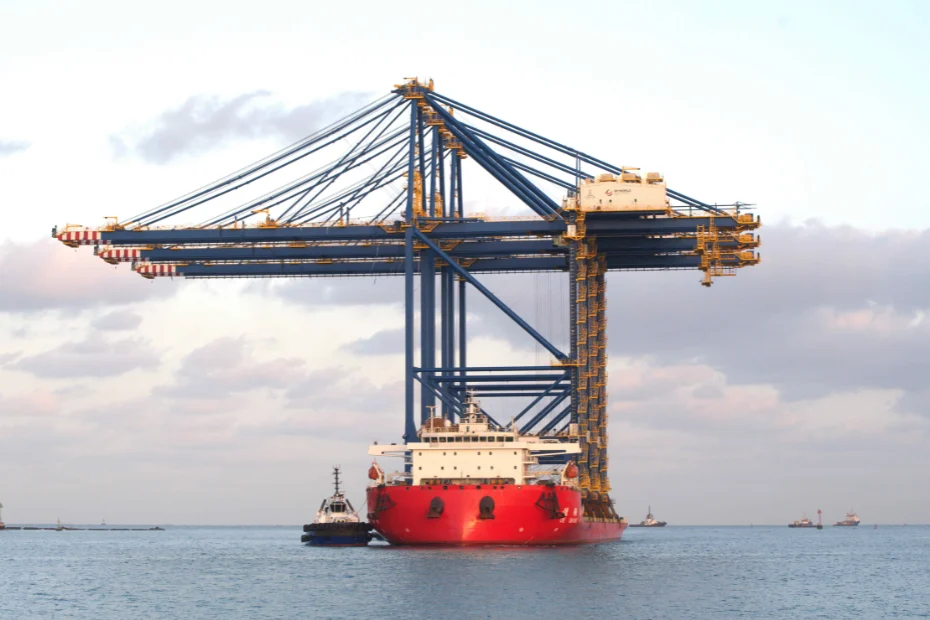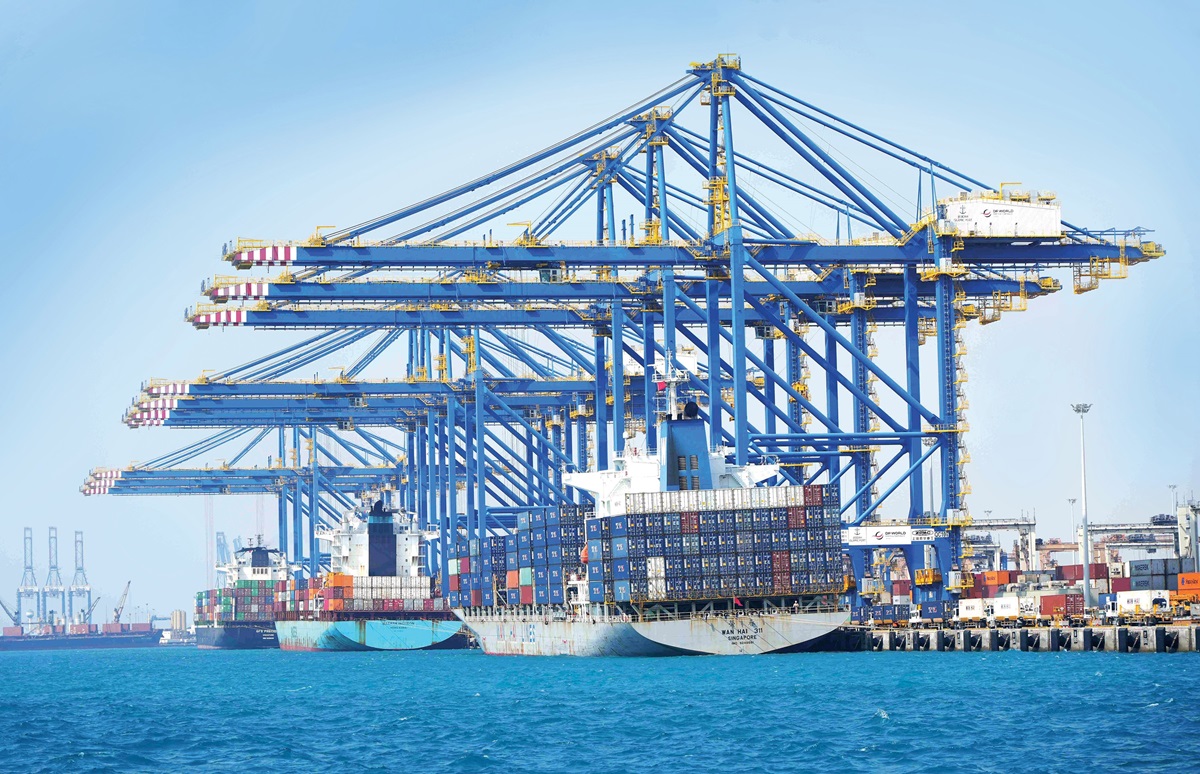

The Rosatom‑DP World joint venture, with Rosatom holding a controlling 51 % stake, signals a strategic push by Russian state capital to monetize its logistics assets beyond the nuclear sector. By contributing its 92.4 % holding in FESCO, Rosatom effectively transfers a core piece of Russia’s container‑shipping infrastructure into a vehicle that can tap DP World’s global port network and expertise. For sovereign investors across the GCC—who have been increasingly allocating capital to logistics and transport as part of economic‑diversification agendas—the venture offers a conduit to gain exposure to high‑growth Arctic trade corridors without direct geopolitical entanglement.
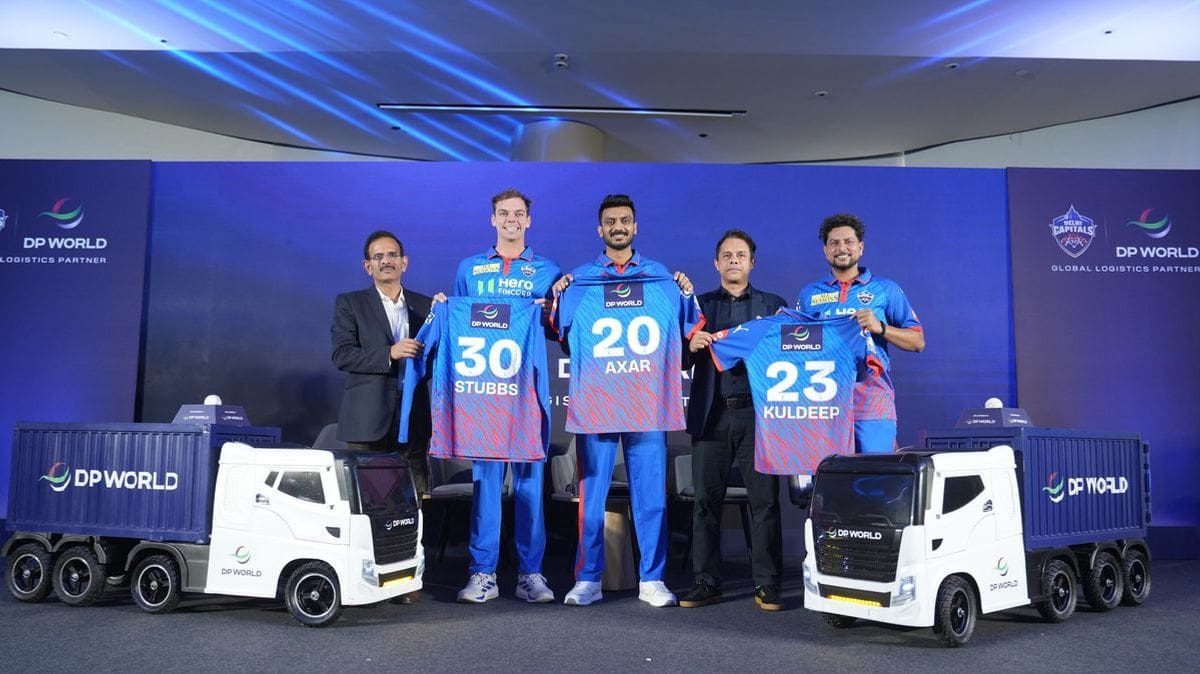
From a venture‑capital perspective, the deal exemplifies how state‑backed entities are structuring partnerships that blend sovereign wealth with private‑sector operational know‑how. DP World’s capital commitment, tied to FESCO’s market valuation, introduces a market‑based pricing mechanism that could attract co‑investment from regional VC funds focused on infrastructure technology, digital freight solutions, and cold‑chain logistics. Such blended financing models are becoming a template for MENA investors seeking to de‑risk exposure to emerging trade routes while leveraging the scaling power of established operators like DP World.
The venture’s emphasis on the Northern Sea Route (NSR) aligns with broader MENA efforts to diversify global supply‑chain pathways away from traditional chokepoints such as the Suez Canal. As regional ports—including Jebel Ali, Khalifa Port, and King Abdullah Port—invest in automation and hinterland connectivity, the NSR presents a complementary north‑south artery that could shorten Asia‑Europe transit times by up to 40 %. For MENA shippers and logistics platforms, access to Rosatom’s ice‑breaker fleet and FESCO’s Arctic terminal network could reduce dependency on Suez‑dependent schedules and mitigate congestion‑related cost volatility.
Regulatory clearance from Russia’s foreign‑investment commission and antitrust body remains a prerequisite, but assuming approval, the partnership is poised to become a test case for how sovereign capital from the MENA region can co‑invest in non‑traditional, climate‑exposed infrastructure projects. Should the venture demonstrate viable cargo volumes on the NSR, it may catalyze further allocations from UAE, Saudi, and Qatari wealth funds into Arctic logistics, reinforcing the region’s ambition to become a hub for next‑generation, multimodal trade corridors.