
The security concerns surrounding Cardinal Pierbattista Pizzaballa, as highlighted by Israel’s Prime Minister, underscore the enduring volatility of the geopolitical climate in the Middle East and North Africa (MENA). Such incidents not only reflect ongoing regional tensions but also amplify risks for sovereign capital flows, as foreign investors reassess exposure to jurisdictions where safety of high-profile figures—let alone personnel or assets—remains in question. The association of religious and political entities with security vulnerabilities further complicates sovereign debt restructuring efforts, as creditors may demand higher risk premiums or collateralized guarantees to mitigate perceived instability. This dynamic could constrain MENA governments’ ability to secure favorable financing terms for critical infrastructure projects, diverting fiscal resources toward short-term security measures rather than long-term economic diversification.
The ripple effects of such geopolitical friction extend to the venture capital (VC) ecosystem, where investors increasingly prioritize stability as a prerequisite for risk-taking. In MENA, where VC activity has historically been susceptible to macroeconomic volatility and regulatory unpredictability, events like the Vatican’s advisory amplify concerns about operational disruptions and cross-border collaboration. For instance, foreign-backed startups reliant on international partnerships may face reputational headwinds or logistical hurdles, dampening investor confidence. Meanwhile, local accelerators and regional funding hubs may struggle to maintain momentum, as the specter of conflict overshadows narratives of technological innovation and entrepreneurship. This climate of uncertainty risks entrenching capital fragmentation, with private investment retreating to safer geographies despite the region’s untapped growth potential.
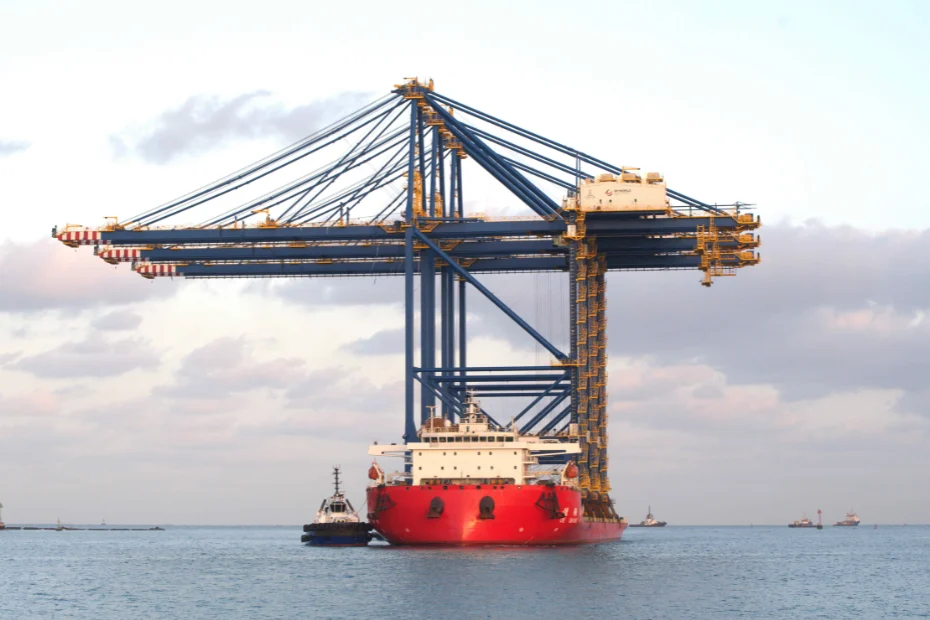
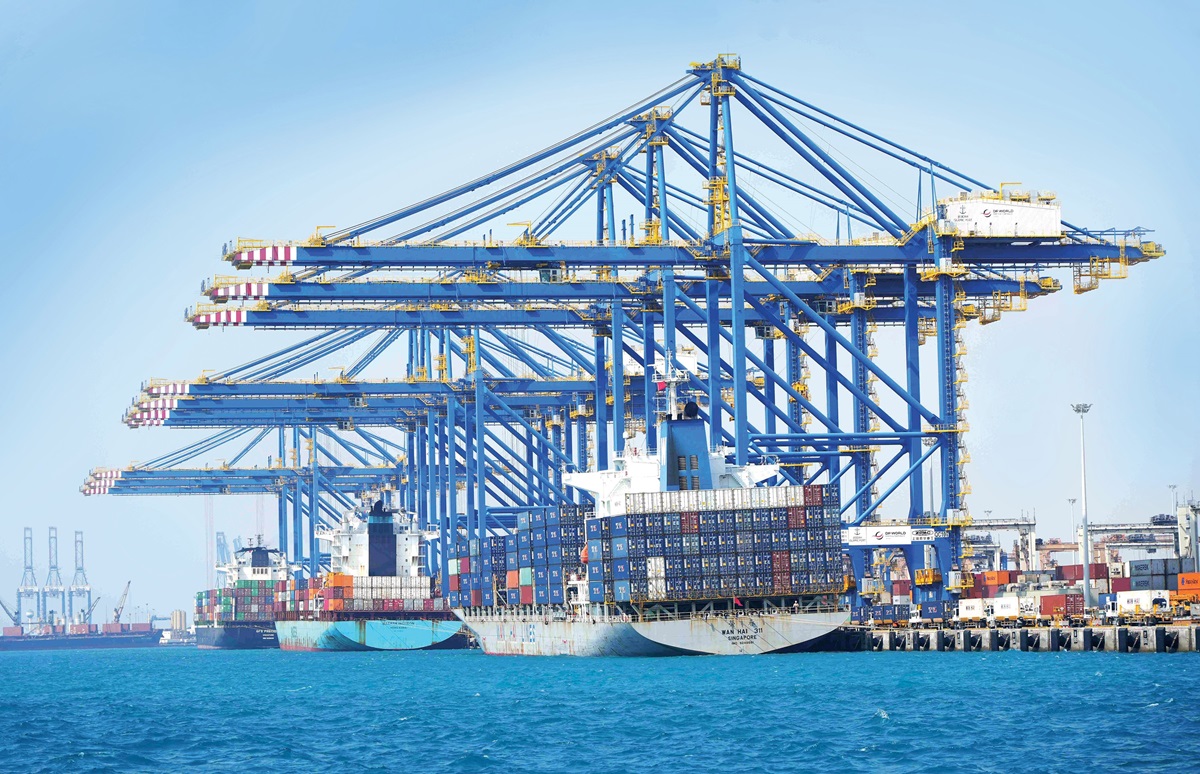
Regional infrastructure—both physical and institutional—faces cumulative strain from persistent security contingencies, exacerbating existing challenges in logistics, energy distribution, and cross-border connectivity. The redirection of capital toward defense and border management infrastructure, while necessary for immediate safety imperatives, diverts attention from transformative projects like renewable energy grids, digital infrastructure, and transportation networks. This misalignment of spending priorities perpetuates cyclical dependency on external aid and sovereign renegotiations, undermining MENA’s aspiration to rival Gulf-led models of sustainable development. Investors and policymakers alike must recognize that geopolitical stability is not merely an abstract ideal but a foundational pillar for unlocking private-sector participation and achieving macroeconomic resilience.