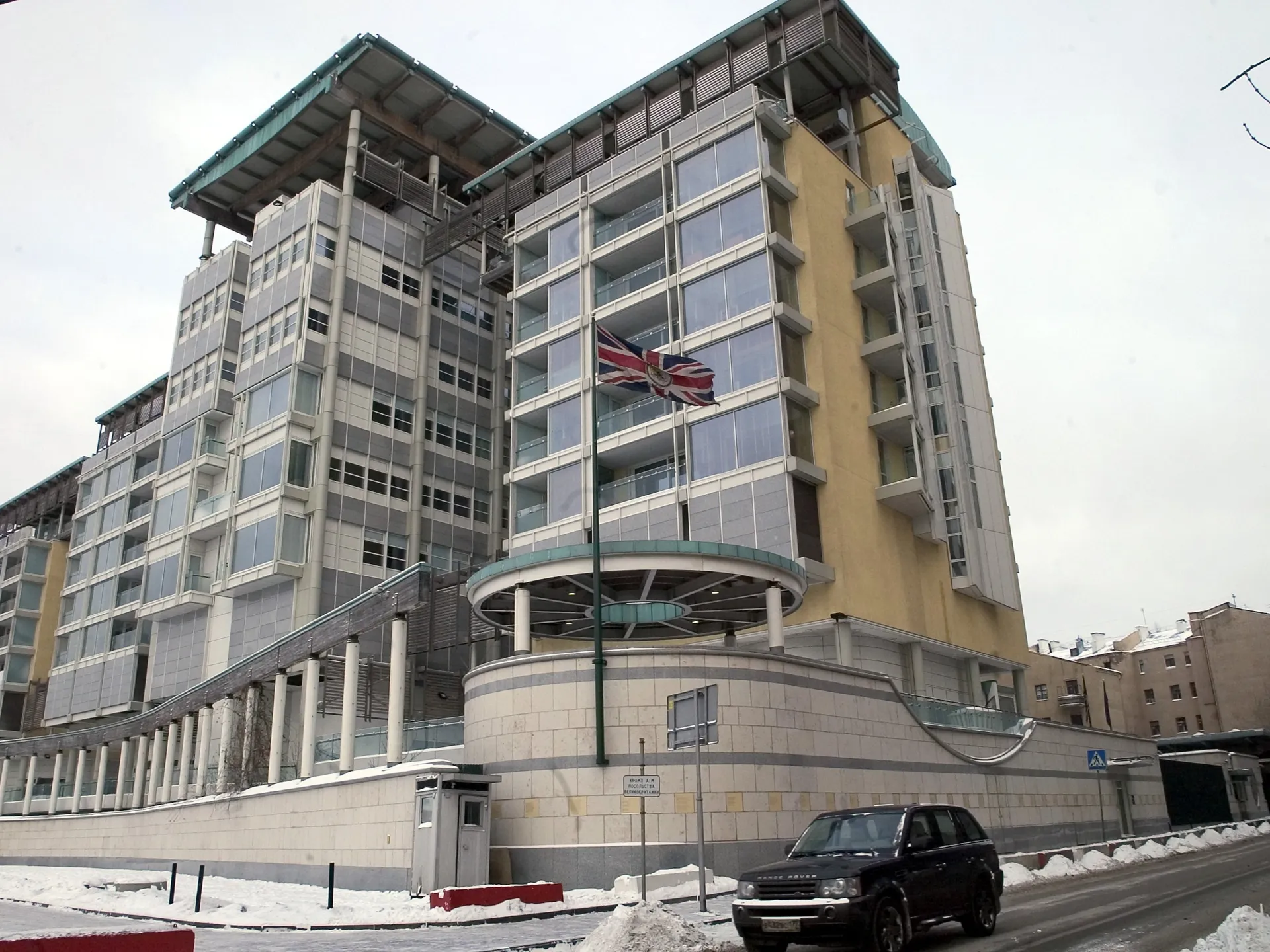

The escalating geopolitical tensions between Russia and the United Kingdom have reverberated through the Middle East and North Africa (MENA) region, raising concerns about the potential impact on regional business, sovereign capital flows, and strategic infrastructure investments. The recent allegations of espionage against a British diplomat expelled from Moscow by the Russian Federal Security Service (FSB), while framed within the context of Russia’s ongoing conflict in Ukraine, underscore the increasingly fraught environment for international engagement and investment in the region.
This incident carries significant implications for sovereign wealth funds (SWFs) and private equity firms operating in the MENA space. The heightened risk of political instability and diplomatic friction necessitates a more cautious approach to investment decisions. Cross-border capital flows are already being redirected towards perceived safer havens, potentially impacting the growth of key sectors such as energy, technology, and infrastructure projects that rely on predictable geopolitical landscapes. Furthermore, the potential for cyber-espionage, a long-standing concern highlighted by the UK’s accusations against Russia, poses a direct threat to the digital infrastructure underpinning regional economies and the security of critical data assets.
Venture capital activity in the MENA region is particularly vulnerable to these uncertainties. Existing investment patterns may shift towards sectors perceived as less susceptible to geopolitical disruptions, such as renewable energy and digital services with strong local market demand. The emphasis on regional infrastructure development, including digital connectivity and smart city initiatives, will need to be carefully assessed in light of evolving risk profiles. While the long-term potential of these projects remains substantial, the immediate impact of increased geopolitical volatility on financing and project timelines warrants close monitoring by investors and policymakers alike. The incident serves as a stark reminder of the interconnectedness of global security and the fragility of international business relations, particularly in a region increasingly reliant on complex and fluid geopolitical dynamics.
Beyond direct business impacts, the broader implications for regional infrastructure – encompassing digital networks, energy grids, and transportation systems – are considerable. Increased state-level scrutiny and potential disruptions to diplomatic channels could hinder the implementation of major infrastructure initiatives. The potential for cyberattacks targeting critical infrastructure poses a significant threat to regional economic stability and could necessitate increased investment in cybersecurity measures. As the MENA region continues its push for diversification and connectivity, navigating these geopolitical headwinds will be paramount for ensuring sustained economic growth and resilience. The episode underscores the need for robust risk management frameworks and a proactive approach to mitigating the impact of global political developments on regional investment and development priorities.