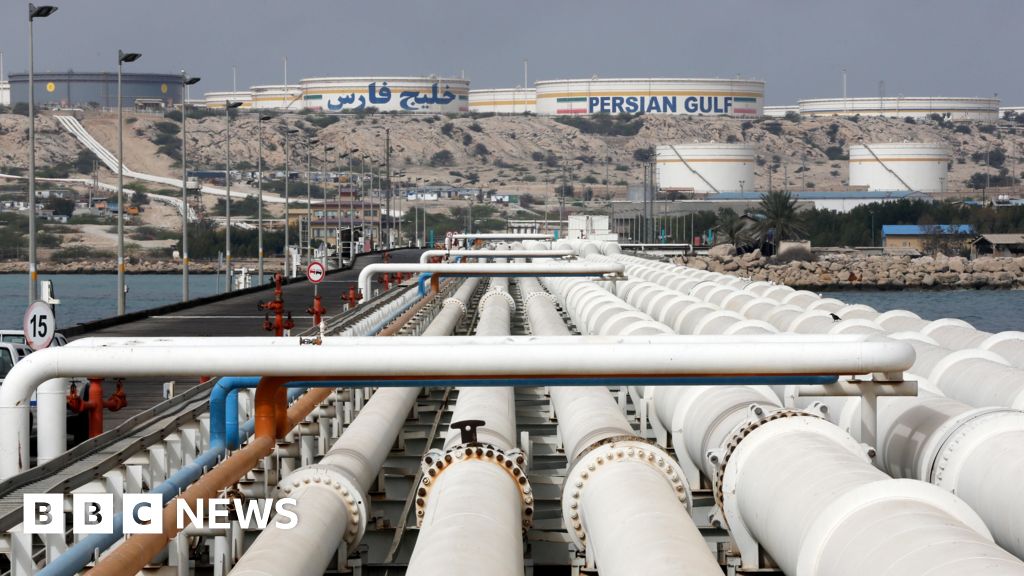

The Middle East and North Africa (MENA) region stands at a pivotal crossroads, where sweeping infrastructure developments and the strategic maneuvers of global players are reshaping the economic and investment landscapes. In this evolving environment, the expansion and modernization of terminal assets across the Gulf are no longer merely local undertakings—they are pivotal engines driving capital flows, attracting sovereign and venture capital, and consolidating the region’s role as a critical nexus for international trade.
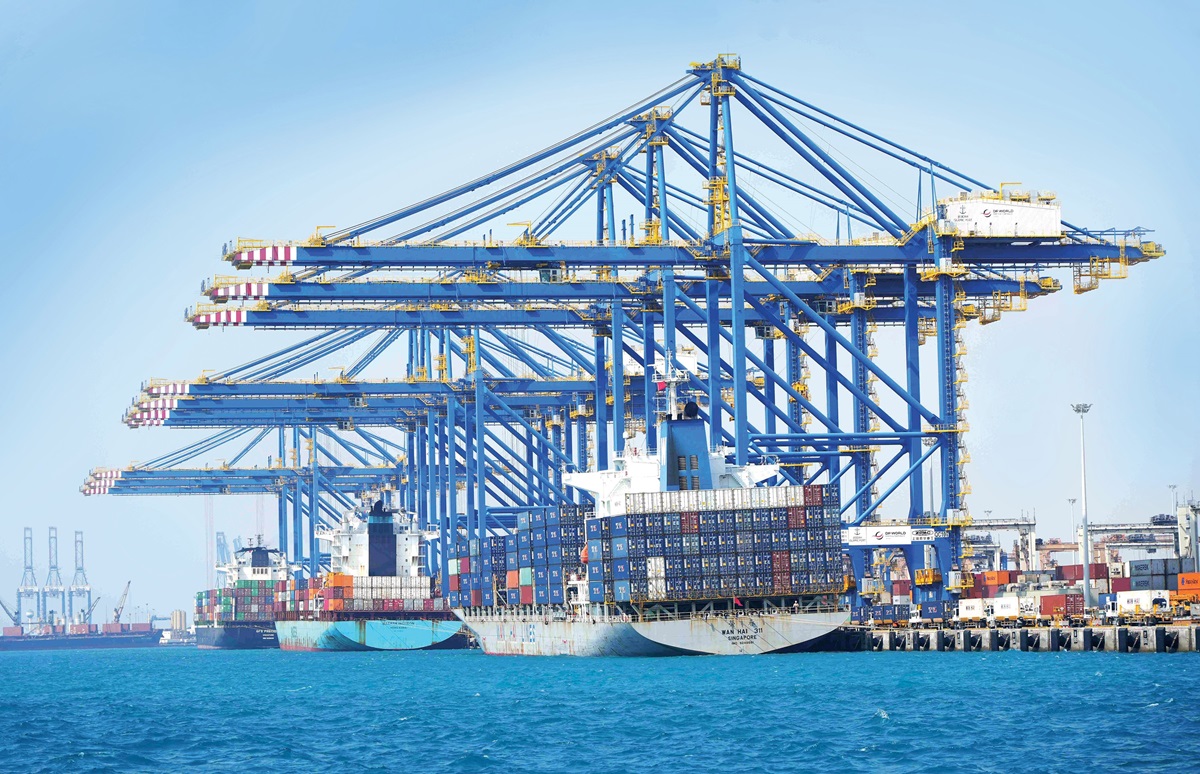
A recent landmark agreement between APM Terminals and DP World marks a defining moment in this transformation. Both multinational entities have cemented their influence at Jeddah Islamic Port’s Southern Container Terminal (SCT), consolidating a 37.5% stake in a facility that now serves as a linchpin for Red Sea maritime logistics. From an institutional perspective, the stake capture underscores a calculated repositioning by these global operators to secure prime assets that directly influence the flow of capital among sovereign investors and institutional backers. The renewed investment not only enhances the terminal’s operational throughput but also signals a broader realignment of profit exposure and control through strategic public-private partnerships.
Beyond pure commercial maneuvering, this development reverberates with significant regional infrastructure implications. By interlinking port capabilities with logistics networks that span inland transport, warehousing, and distribution—especially under Saudi Arabia’s Vision 2030 framework—both DP World and APM Terminals are reinforcing the Kingdom’s ambition to emerge as a central hub for economic diversification. Investors now benefit from a dual-edged advantage: access to cutting-edge port technology and alignment with national infrastructural goals that promise to multiply returns and reduce logistical bottlenecks.
Given current global trade realities, this SCT upgrading is far more than an operational enhancement—it is a statement of intent. As regional capital continues to pour into such transformative projects, the MENA investment narrative will be fundamentally shaped by the scale, efficiency, and geopolitical positioning of this partnership. The implications stretch far beyond the port’s gates, influencing how sovereign entities, private investors, and venture capitalists allocate resources across an increasingly interconnected and resilient supply chain architecture.