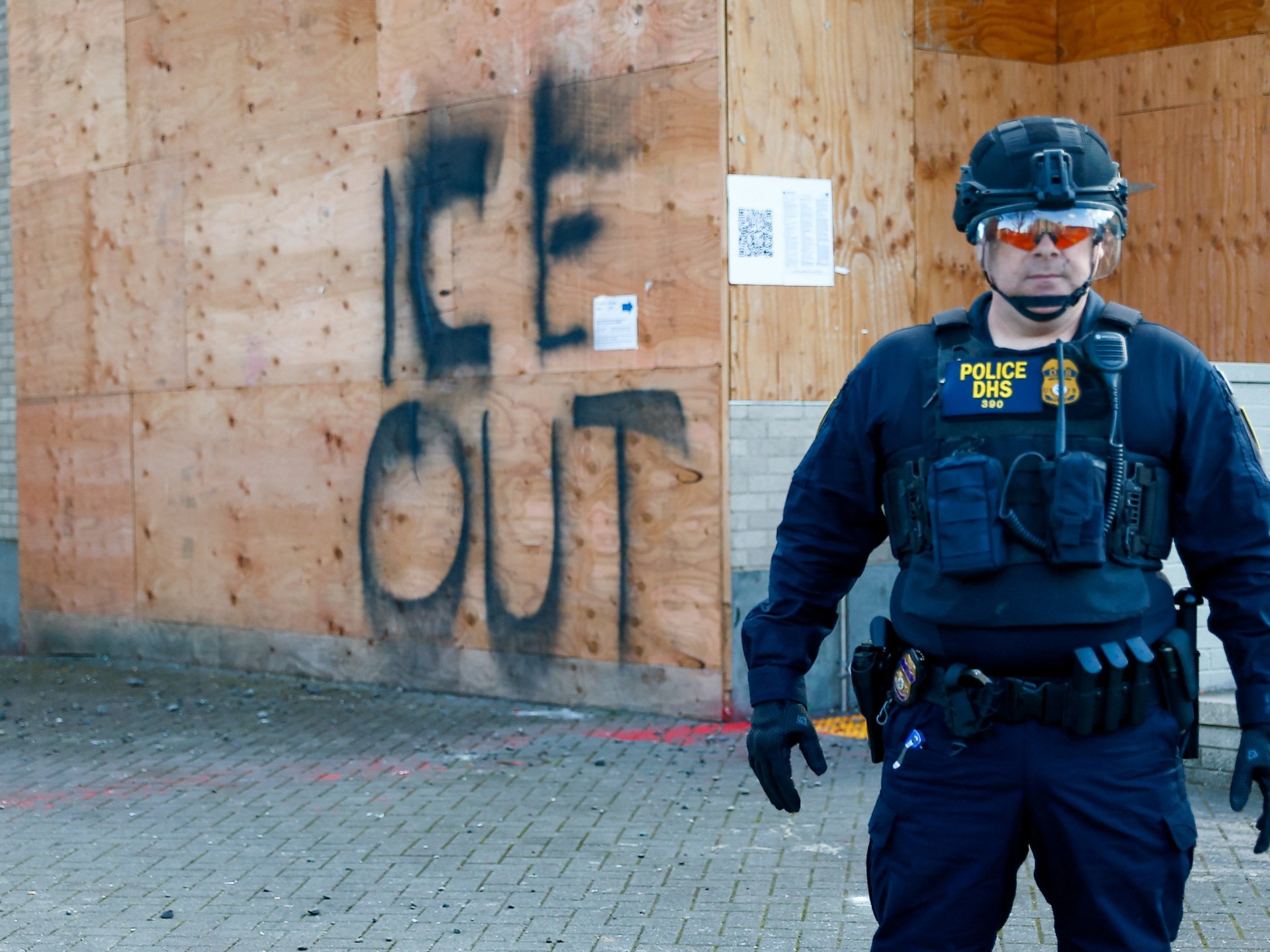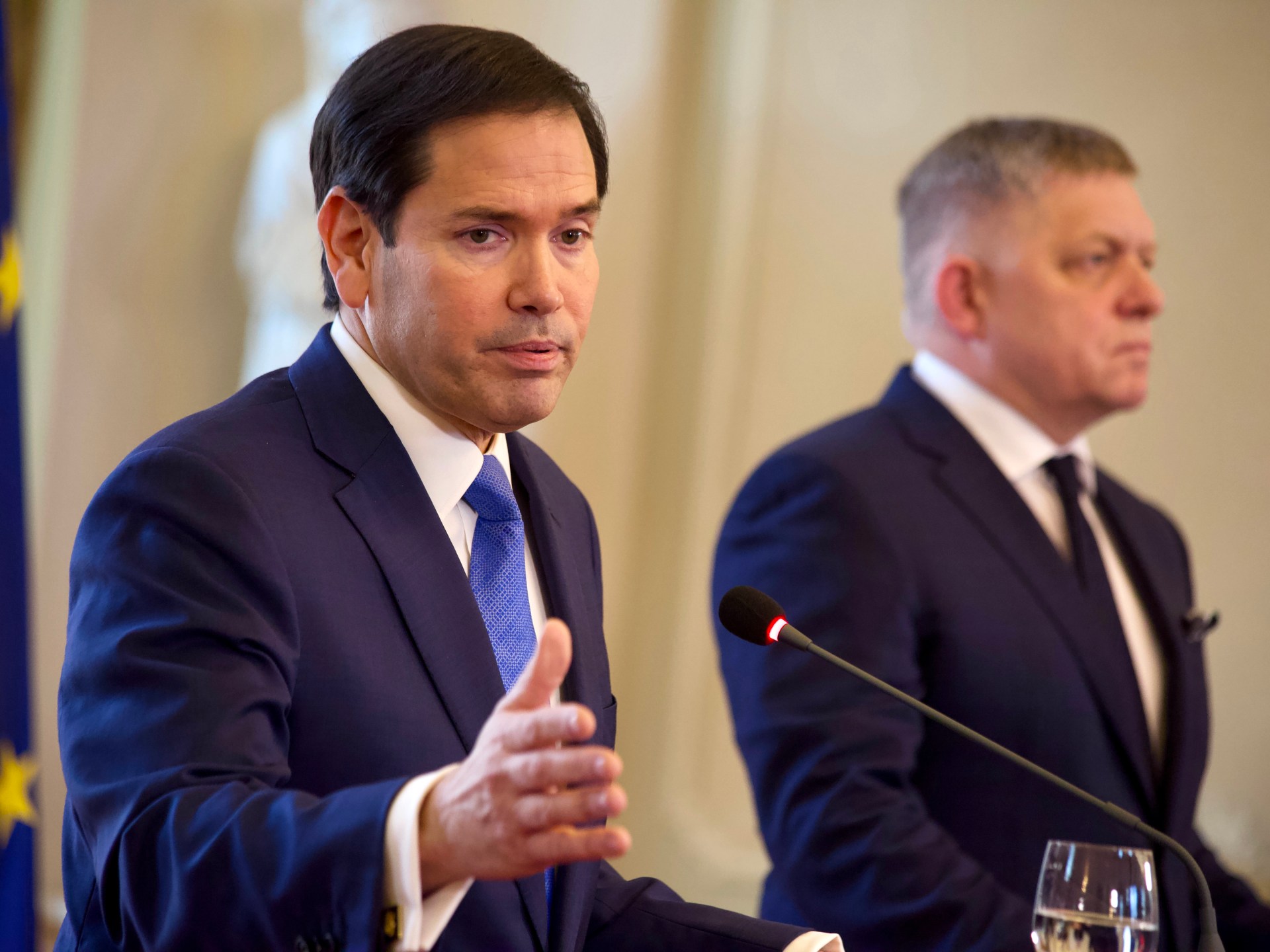

The ongoing conflict with Iran is navigating a complex geopolitical landscape with significant repercussions for the Middle East and North Africa (MENA) region, particularly regarding sovereign capital flows, venture capital investment, and regional infrastructure development. US Secretary of State Marco Rubio’s recent comments regarding the Strait of Hormuz’s eventual re-opening, while acknowledging the ongoing nature of the conflict, underscores the heightened volatility and uncertain trajectory of energy markets. The potential deployment of US troops in Iran, a scenario Rubio reiterated as a necessary step, suggests a shift towards a more assertive approach. While President Trump maintains a preference for diplomatic resolution, the current situation highlights the limitations of purely non-military solutions in the face of escalating regional tensions and Iran’s continued pursuit of its regional objectives.
The impact of the conflict extends far beyond energy security. Sovereign capital in the MENA region is increasingly focused on resilience and diversification, moving away from reliance on hydrocarbon revenues. Investment in defense and security sectors is expected to surge, creating new opportunities for regional and international players. Simultaneously, the conflict is reshaping the venture capital landscape. While pre-existing investment in technology, particularly in cybersecurity and fintech, remains robust, the immediate focus is shifting towards sectors offering tangible solutions for economic recovery and infrastructure rebuilding. The region’s vast infrastructure needs – encompassing energy, transport, and communications – remain critical, but their development will be heavily influenced by the stability and geopolitical certainty that can be restored.
Sovereign wealth funds (SWFs) in the MENA region are positioned to play a pivotal role in driving this recovery. Their significant capital reserves offer the potential for large-scale investments in strategic infrastructure projects, including renewable energy initiatives, smart city development, and digital transformation programs. However, navigating the evolving geopolitical environment will necessitate a cautious and strategic approach. Multilateral and regional initiatives seeking to promote infrastructure development within the region are likely to gain traction, particularly those focused on projects that enhance energy security and reduce reliance on volatile oil prices. Furthermore, the conflict is indirectly fostering a greater emphasis on regional security architectures, stimulating investment in defense technologies and partnerships.
The long-term economic implications of the conflict are profound. While short-term disruptions to oil supplies have already rippled through global markets, the deeper consequences will be felt in regional trade, investment, and economic growth. Venture capital funding for startups in areas related to energy transition, supply chain resilience, and digital security will likely increase. However, the path to recovery will require a concerted effort to address underlying structural challenges, promote diversification, and foster a stable and predictable investment climate. The re-opening of the Strait of Hormuz will be a crucial step in stabilizing global energy markets, but the broader economic and geopolitical landscape of the MENA region remains significantly impacted by the ongoing conflict and its ramifications.