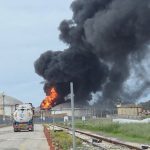

The proposed reciprocal suspension of energy infrastructure strikes signals a potential inflection point in global commodity pricing, with immediate structural implications for Middle Eastern fiscal architecture and industrial cost bases. Prolonged kinetic targeting of hydrocarbon facilities and transnational logistics corridors has systematically inflated regional energy risk premiums, distorting forward curves and compressing capital expenditure timelines across heavy industry, desalination, and cross-border power interconnectivity. A credible de-escalation framework would rapidly restore spot-to-futures market alignment, easing downstream input costs for manufacturing and logistics operators while re-establishing the pricing predictability required for long-dated infrastructure financing. For the GCC and Levantine energy corridors, stabilization is no longer a geopolitical convenience; it is a prerequisite for executing multi-billion-dollar grid modernization mandates and attracting institutional project finance.
Sovereign capital allocators across the Gulf and North Africa have already priced persistent supply-chain fragility into their mandate structures, shifting defensive liquidity into hard-asset resilience and cross-border public-private partnership vehicles. Should kinetic pressures on energy infrastructure subside, sovereign wealth entities will accelerate the rotation back toward growth-tilted allocations, prioritizing transmission network upgrades, port automation, and integrated water-energy-hydrogen hubs. We are tracking expanded mandate flexibility among regional allocators directing dry powder toward infrastructure bonds with embedded technology covenants, as cheaper sovereign risk spreads restore the arbitrage window for development-grade capital formation. The stabilization of regional yield curves will further enable state-backed pension funds and development authorities to de-risk early-stage infrastructure tranches, crowding in institutional debt without compromising long-term fiscal sustainability.
The regional venture and private equity ecosystem is rapidly internalizing energy volatility as a core operational variable, redirecting Series B through pre-IPO capital toward technological mitigants that decouple enterprise performance from upstream hydrocarbon exposure. Late-stage funding is heavily concentrated in microgrid orchestration, predictive load forecasting, decentralized energy storage, and AI-driven supply chain visibility platforms, reflecting a broader institutional recognition that technological sovereignty now underpins economic resilience. Infrastructure-focused VC funds are scaling investments in modular refining tech, smart metering deployment, and industrial digital twins, recognizing that legacy procurement models cannot absorb recurrent geopolitical shock cycles. As global energy diplomacy pivots from containment to infrastructure redundancy, MENA’s capacity to commercialize industrial tech and attract sovereign-backed venture capital will determine whether the region achieves sustainable multipolar hedging or remains structurally tethered to legacy commodity dynamics.