
Saudi Arabia’s Public Investment Fund (PIF) has emerged as the linchpin of the Kingdom’s economic metamorphosis, transcending its traditional role as a sovereign wealth fund to become a strategic architect of Vision 2030. With assets surpassing $700 billion and a mandate to reach $1 trillion by 2025, the PIF’s shift from passive investment management to active entrepreneurship has catalyzed systemic diversification, directly targeting non-oil GDP growth, which now contributes over 50% to total revenue. By anchoring mega-projects like NEOM, the Red Sea Project, and Qiddiya, the fund is constructing not only physical infrastructure but integrated economic ecosystems designed to attract global capital, talent, and innovation. These initiatives—spanning smart cities, tourism, and entertainment—serve dual purposes: de-risking the economy from oil volatility and establishing Saudi Arabia as a premier destination for foreign direct investment (FDI), with tourism alone projected to generate 7% of GDP by 2030.
The PIF’s evolving strategy underscores its dual role as both a sovereign capital steward and a venture capital vanguard. While traditional investments in energy and financial sectors remain foundational, the fund’s aggressive allocation to futuristic sectors—artificial intelligence, green hydrogen, space technology, and biotechnology—reflects a deliberate pivot toward high-growth, ESG-aligned opportunities. Domestic reforms, including relaxed ownership laws and public sector liberalization measures, are designed to catalyze private sector participation, creating a fertile ground for venture capital to flourish. The PIF’s LPIC program, which guarantees local content and job creation, further incentivizes innovation hubs and startups, embedding the fund within a broader industrial policy that prioritizes both fiscal discipline and tech-driven growth.
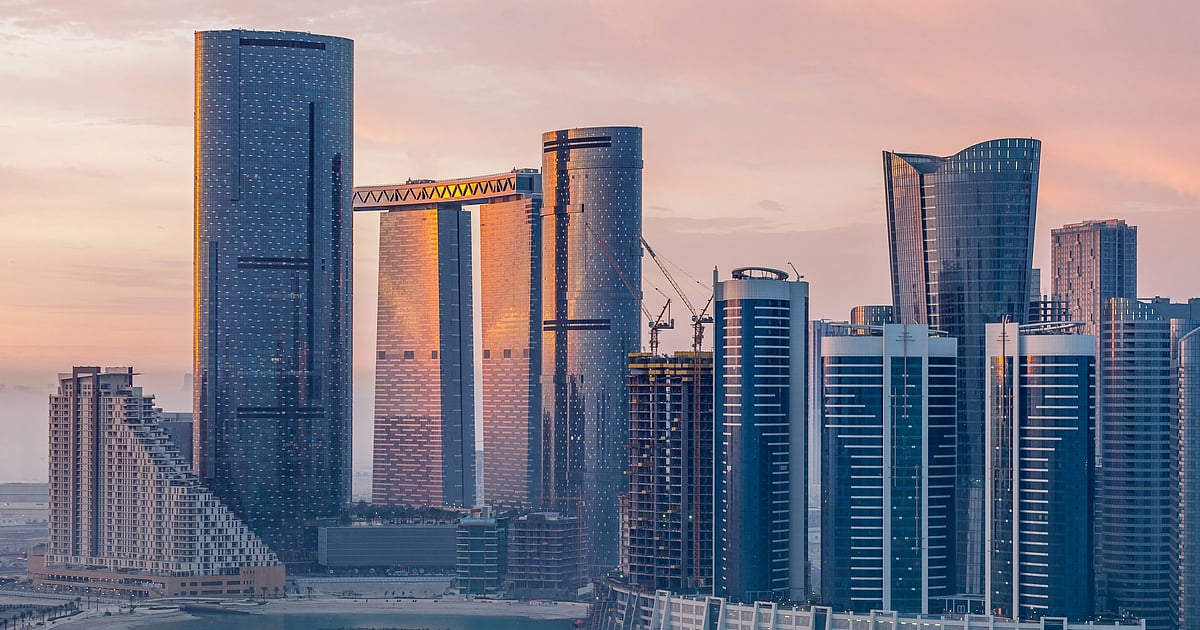
Regionally, the PIF’s infrastructure-driven investments are recalibrating Gulf economic dynamics, positioning Saudi Arabia as a nexus for transnational development. Projects like Moroccan energy partnerships and UAE port collaborations demonstrate a strategic push to bypass logistical bottlenecks and emerge as a regional trade intermediary. By pooling resources with Kuwait and Qatar on solar infrastructure and digital connectivity, the fund is not only diversifying its portfolio but also accelerating MENA integration, a critical enabler for cross-border venture capital flows and pan-regional infrastructure resilience. This convergence of sovereign capital and strategic infrastructure investment is redefining the Kingdom’s role from oil exporter to a global economic and technological custodian.