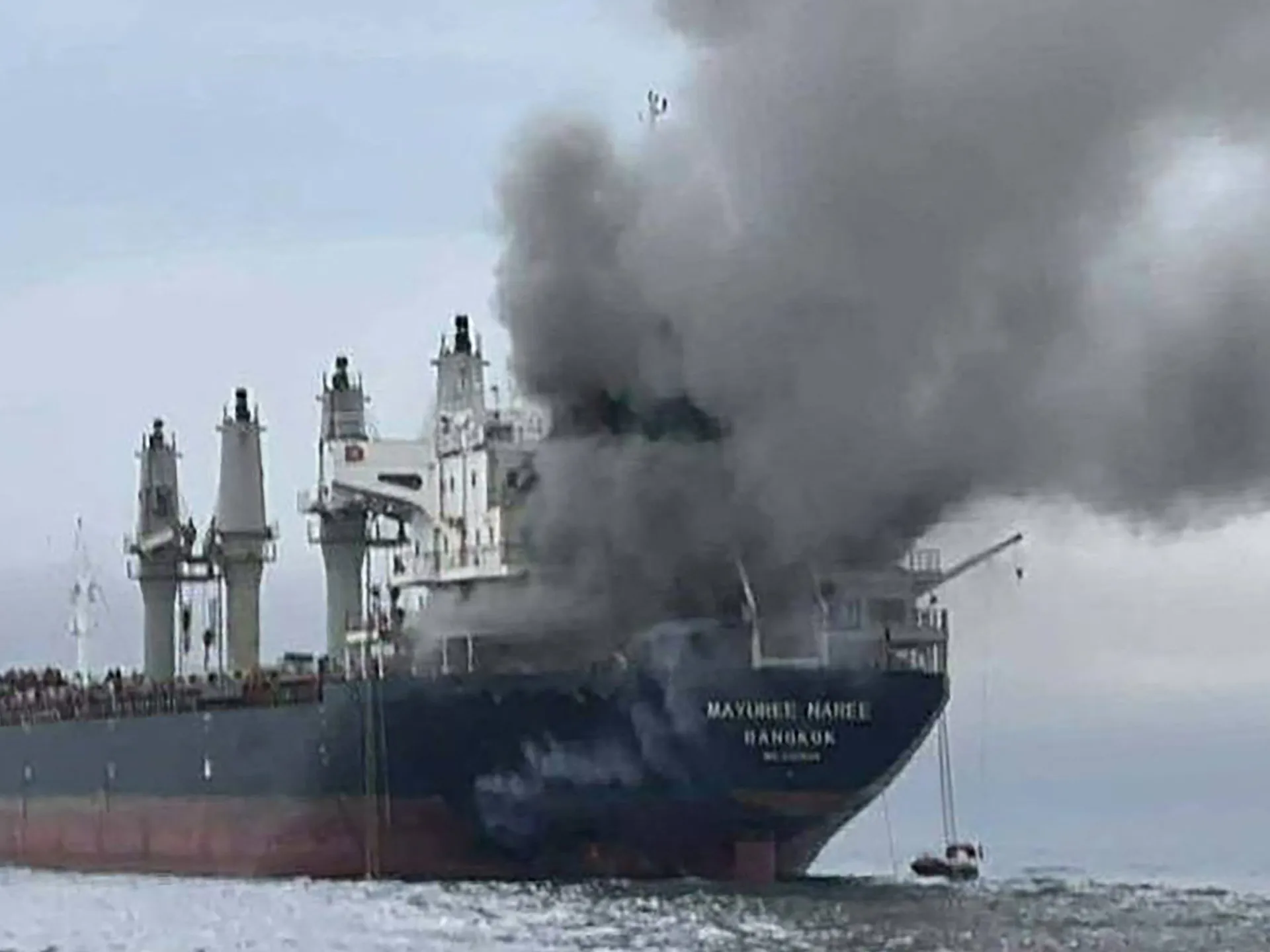

The Iranian‑origin strike on the Kuwaiti crude carrier Al Salmi at Dubai Port, which ignited a fire aboard a vessel laden with two million barrels of Kuwaiti‑Saudi blend destined for Qingdao, has immediately underscored the fragility of Gulf maritime logistics. Though Dubai authorities contained the blaze and reported no oil spill or casualties, the incident added to a crescendo of drone and missile assaults on commercial traffic across the Strait of Hormuz and the UAE’s eastern littoral, prompting Saudi air defenses to intercept ten drones and eight ballistic missiles in a single night. The cumulative effect is a sharp rise in risk premia for regional freight, tighter charter rates, and a renewed scramble among cargo owners to secure war‑risk insurance and reroute shipments away from exposed choke points.
From a sovereign‑capital perspective, the episode reinforces the need for Gulf states to bolster the resilience of their hydrocarbon revenues, which remain a cornerstone of sovereign wealth fund (SWF) allocations and fiscal budgets. Higher insurance premiums and potential disruptions to export flows could pressure current‑account surpluses, prompting SWFs to diversify further into non‑oil assets and increase liquidity buffers. Simultaneously, governments are likely to earmark additional budgetary outlays for maritime security—ranging from upgraded port‑state surveillance systems to joint navy patrols—thereby diverting capital from traditional infrastructure projects but also creating new procurement opportunities for domestic defense and technology firms.
The heightened security environment is already reshaping venture‑capital and private‑equity appetites across the MENA region. Investors are gravitating toward sectors that mitigate geopolitical exposure, such as cybersecurity, autonomous vessel monitoring, and AI‑driven logistics optimization, while early‑stage funds exhibit caution toward consumer‑facing startups reliant on uninterrupted supply chains. Defensive tech and dual‑use innovations are seeing a uptick in deal flow, reflecting a broader strategic pivot where capital seeks both financial returns and contributions to national resilience. In parallel, infrastructure planners are advocating for hardened port facilities, expanded underwater sensor nets, and integrated Gulf‑wide maritime traffic management systems—projects that could be financed through sovereign‑backed bonds or public‑private partnerships, thereby linking security imperatives to long‑term economic connectivity in the Gulf and beyond.